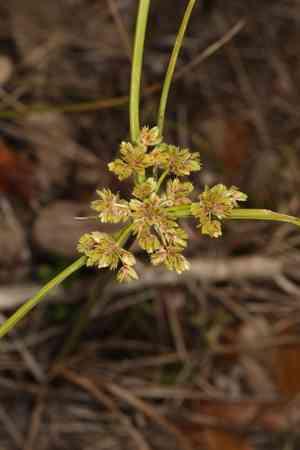
Surinam sedge (Cyperus surinamensis)
Also known as: Water sedge
The Surinam sedge is a perennial plant that flourishes in wetland areas and riverbanks. Characterized by its three-edged, slender stems that can grow up to 1 meter tall, this sedge features clusters of spikelets with brownish or greenish bracts that spread out like the spokes of an umbrella. Its strong root system is vital for stabilizing soil, making it an important component of its habitat.
In This Article
Attributes of Surinam sedge
Lifespan
Perennial
Plant Type
Grass
Plant Height
35 cm to 80 cm
Spread
90 cm
Leaf Color
Green
Flower Size
1 cm to 3 cm
Flower Color
Green
Images of Surinam sedge
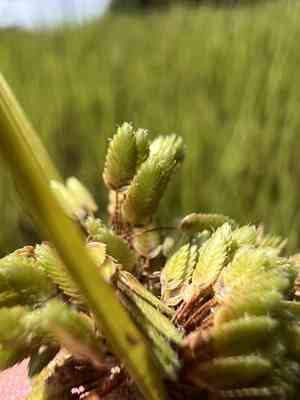
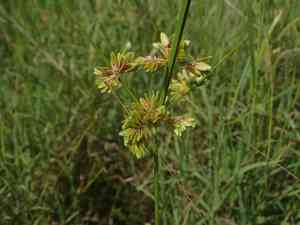
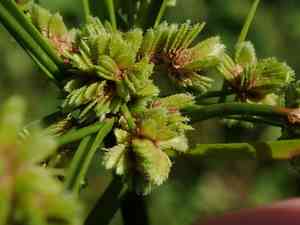
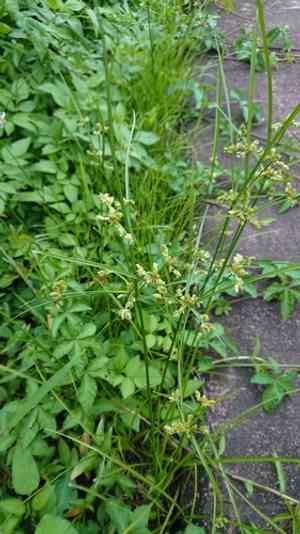
Quickly Identify Surinam sedge
1
Identification of Cyperus surinamensis is typically done by observing its clumping growth form, triangular stems, and elongated, grass-like leaves. The plant produces distinct seed heads that are clustered and slightly flattened.
Scientific Classification of Surinam sedge
Phylum
Vascular plants
Class
Monocotyledons
Order
Poales
Family
Sedge
Genus
Nutgrasses
Species
Surinam sedge
Planting and Growing of Surinam sedge
Care Difficulty
Easy
Watering Schedule
Every 4 days
Sunlight Requirements
Full sun
Sunshine Duration
4-8 hours
Ideal Temperature
70-85℉
Soil Type
Potting Mix, Peat Mix
Soil pH
6.5-7.5
Fertilizer Type
Balanced
Pruning Season
Spring, Summer
Pruning Area
Branches, Leaves
Pruning Frequency
2 times a year
Repotting Season
Spring
Pot Type
Plastic, Ceramic
 How to Water Surinam sedge?
For Cyperus surinamensis, aim to soak the soil evenly without leaving standing water. The amount should be approximately 500 ml per session, ensuring moisture reaches the roots. Always test the top inch of soil; if it's dry, your plant could use a drink.
What are the symptoms of an underwatered Surinam sedge?
›
What should I do if my Surinam sedge is not getting enough water?
›
What are the symptoms of an overwatered Surinam sedge?
›
How to save an overwatered Surinam sedge?
›
 What Are the Sunlight Requirements for Surinam sedge?
Cyperus surinamensis thrives in an environment with partial to full sunlight. Providing this light range optimizes its photosynthetic activity, promoting vibrant growth and ensuring sustained vitality across growing seasons.
What is the ideal exposure for Cyperus surinamensis?
›
How can you ensure Cyperus surinamensis gets its ideal lighting?
›
What benefits does Cyperus surinamensis obtain under ideal lighting?
›
 What Is the Ideal Temperature Range for Surinam sedge?
The optimal temperature range for Cyperus surinamensis during its growth phase is between 70°F to 85°F. This range provides the most favorable conditions for photosynthesis and metabolic activities. It ensures that the plant can efficiently absorb nutrients and maintain robust growth. Consistently maintaining these temperatures helps in avoiding stress and promotes healthy development.
 What Soil is Best for Surinam sedge?
Cyperus surinamensis requires soil that has good moisture retention properties. This helps the plant to thrive in conditions where water may not be consistently available. Optimal moisture retention ensures a steady water supply to the roots, promoting healthy growth. The soil should be rich in nutrients to support the plant's growth. Nutrient-rich soils provide essential minerals that help in the vigorous development of foliage and overall plant health, contributing to the longevity and vitality of Cyperus surinamensis. While moisture retention is important, it is also crucial that the soil drains well to prevent waterlogging. Well-drained soil helps prevent root rot and other water-related issues, ensuring the plant remains healthy and robust.
 How to Fertilize Surinam sedge?
For Cyperus surinamensis, it's critical to ensure balanced fertilization to avoid over or underfeeding. Monthly application of a balanced liquid fertilizer should be about half the recommended strength, typically 1/2 teaspoon per gallon of water, allowing for consistent nutrient availability. For slow-release fertilizers, use a formulation that releases nutrients over three to four months, and apply according to the manufacturer's instructions, generally around 1.5 ounces per square foot.
 How to Prune Surinam sedge?
Begin pruning by sterilizing your shears to prevent any disease transfer. Identify any dead or yellowing leaves and cut them at their base using sharp, clean tools. For optimal results, perform this task monthly while watching for any signs of overgrowth or wilting. Shaping Cyperus surinamensis involves selectively trimming stalks that disrupt the desired form. This way, you can maintain its appealing foliage structure. Always aim to keep the plant’s natural look by removing the outermost stalks first.
More About Pruning Techniques→
 How to Propagate Surinam sedge plant?
1
Gather seeds from mature Cyperus surinamensis plants when the seeds are fully developed. Ensure they are dry and store them in a cool, dry place until you're ready to plant.
2
Use a well-draining potting mix. Loosen the soil before sowing seeds or planting divisions. The soil should be slightly damp but not waterlogged to encourage healthy growth.
3
Sow the seeds evenly on the surface of the soil or place divisions in holes at the right depth. Cover lightly with soil and water gently to avoid displacing the seeds or newly planted divisions.
 How to Repot Surinam sedge plant?
1
Cyperus surinamensis signals a need for repotting when you notice roots crowding at the surface or emerging through drainage holes. It's important to repot when these signs appear to ensure healthy growth. Preferably, do this during the active growing seasons of spring and summer when the plant recuperates quickly from the transplant shock.
2
Select a pot that is 1-2 inches larger in diameter than the current one. A container with drainage holes is essential to prevent waterlogging, which can lead to root rot. The extra space allows the roots to spread freely, fostering robust growth and stability in the plant.
3
Opt for a well-draining loamy mix, rich in organic matter to support moisture retention without becoming waterlogged. This type of soil offers the right balance between aeration and nutrient-holding capacity, ensuring that your Cyperus surinamensis thrives with healthy root development.
Learn More About Surinam sedge Diseases
Anthracnose
Bacterial Leaf Spot
Bacterial Soft Rot
Bacterial Wilt
Chemical Injury
Damping-off
Downy Mildew
Drought Stress
Fusarium Wilt
Gray Mold
Leaf Spot
Mosaic
Nutrient Deficiency
Nutrient Toxicity
Powdery Mildew
Root Rot
Root-knot Nematode
Rusts
Sooty Mold
Spider Mites
Temperature Stress
Thrips Damage
White Mold



