How to Prune Bentawn flatsedge?
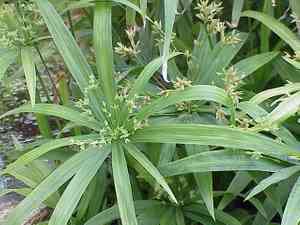
Bentawn flatsedge exhibits delicate, grass-like foliage and a clustered growth pattern. Trim in early spring or winter to control its dimensions and stimulate fresh development. Eliminate withered or compromised leaves and stalks to enhance air movement and deter ailments. Reduce excessively grown sections to preserve a tidy look. Trimming fosters more robust growth and more abundant blooms. Employ sanitized, sharp implements to avert contamination and guarantee precise cuts. These actions will boost the plant's vitality and visual charm.
What Are the Benefits of Pruning Bentawn Flatsedge?
What Are the Benefits of Pruning Bentawn Flatsedge?
Trimming bentawn flatsedge promotes robust growth and helps maintain its form. Regular trimming eliminates dead or damaged stems, improves air circulation, and encourages the plant to produce fresh, healthy shoots. This practice also lowers the risk of pests and diseases.
What Is the Best Time for Pruning Bentawn Flatsedge?
What Is the Best Time for Pruning Bentawn Flatsedge?
Pruning or trimming in early spring prepares bentawn flatsedge for its active growth period by stimulating new development. The plant is just emerging from dormancy, so cuts made at this time heal faster and encourage vigorous growth. Winter is also an ideal time as bentawn flatsedge is dormant, reducing plant stress and minimizing disease risk. Pruning during these seasons ensures the health and vitality of bentawn flatsedge are maintained without interrupting its flowering or fruiting cycles.
What Tools Do I Need to Prune Bentawn Flatsedge?
Hand Pruners
Crucial for accurate cuts on small, delicate stems. Perfect for managing the size and shape of bentawn flatsedge.
Grass Shears
Excellent for trimming the grass-like leaves of bentawn flatsedge without harming the plant. Provides a clean cut that enhances its look.
Long-Handled Shears
Useful for reaching and trimming parts of bentawn flatsedge that are difficult to access. Ensures thorough upkeep of larger clumps.
Pruning Knife
Helpful for refining and removing any damaged or dead foliage. Offers precise control for detailed tasks.
How to Prune Bentawn Flatsedge
Inspection
Carefully check bentawn flatsedge for any indications of diseased or withered leaves. These leaves will typically appear discolored or show signs of damage.
Tools
Ensure you have a clean, sharp pair of pruning shears to prevent disease spread and to make precise cuts.
Cut Diseased Leaves
Using the pruning shears, cut off any diseased leaves close to the stem's base, making sure not to harm healthy tissue. Dispose of these leaves away from your other plants to prevent disease transmission.
Cut Withered Leaves
Trim withered leaves by cutting them close to the base or where they emerge from the stem. This will help the plant conserve energy and promote healthy growth.
Cleaning
After pruning, clean your tools with a disinfectant solution to prevent any disease transfer to other plants.
Common Pruning Mistakes with Bentawn Flatsedge
Improper tool use
Using dull or unsuitable tools can harm the plant, leading to poor healing and increased susceptibility to pests and diseases.
Over-pruning
Removing too much foliage at once can stress the plant, reducing its ability to photosynthesize and recover quickly.
Random cutting
Pruning without a clear strategy or understanding of the plantâs growth habit can result in an unbalanced structure and negatively impact its overall health.
Cutting too close to the roots
Pruning too near the root base can damage essential shoots and buds, hindering regrowth.
Ignoring signs of stress
Pruning even when the plant shows signs of disease or other stress factors can worsen the problem and lead to further decline.
Common Pruning Tips for Bentawn Flatsedge
Use sharp tools
Always use sharp, clean pruning shears or scissors to make clear, precise cuts which help the plant heal more effectively and prevent the spread of disease.
Plan and target
Before pruning, observe the plant's structure and growth habits. Plan your cuts to maintain a balanced shape and encourage new growth in desired areas.
Remove damaged parts first
Start by cutting away any dead or diseased foliage to improve air circulation and promote the plantâs overall health.
Prune sparingly
Remove no more than one-third of the plantâs total foliage at a time to prevent shock and allow the plant to recover more rapidly.
Focus on old growth
Cut back older, non-productive stems to stimulate new growth and improve the plantâs vigor and appearance.



