How to Propagate Bentawn flatsedge?
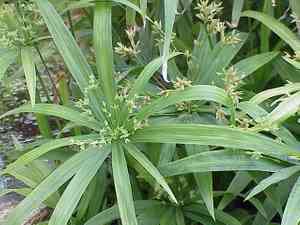
To propagate bentawn flatsedge, separate established clusters, making sure every piece possesses sound roots and nascent stems for effective regeneration. Following separation, embed these portions in soil that drains efficiently and irrigate completely. This technique fosters strong new development and aids in controlling the proliferation of bentawn flatsedge. Consistent observation and attention after division guarantee sturdy integration into the landscape.
When Is the Optimal Time to Propagate Bentawn Flatsedge?
Propagation Type
Division
Propagation Season
Spring,Autumn
What Implements Are Utilized in Bentawn Flatsedge Propagation?
Garden Fork
A garden fork is crucial for gently lifting and separating bentawn flatsedge. It helps loosen the soil around the plant without harming the roots, aiding the division process.
Sharp Knife or Garden Shears
A sharp knife or garden shears are vital for making clean cuts through the root ball of bentawn flatsedge during division. Clean cuts help prevent root rot and ensure each division has a healthy section of roots.
Watering Can with Fine Rose
A watering can with a fine rose attachment assists in gently irrigating the divided sections of bentawn flatsedge, ensuring the new plants are well-hydrated without dislodging soil or damaging roots.
Plant Labels
Plant labels are beneficial for marking the newly propagated sections of bentawn flatsedge, ensuring proper identification and monitoring of growth and health over time.
Rooting Hormone
While not always essential, a rooting hormone can be advantageous for promoting root growth on the divided sections of bentawn flatsedge. It helps ensure a higher success rate of propagation by stimulating root development.
Pots or Seed Trays
Pots or seed trays offer a controlled environment for the newly divided sections of bentawn flatsedge, allowing for easier oversight and maintenance of ideal growing conditions.
Soil Mix
A suitable soil mix, often a blend of loam, sand, and peat moss, supplies the necessary nutrients and drainage for the newly propagated sections of bentawn flatsedge to grow vigorously.
How to Propagate Bentawn Flatsedge?
Propagation Type
Easy
How to Nurture Your Newly Propagated Bentawn Flatsedge?
How to Nurture Your Newly Propagated Bentawn Flatsedge?
Post-propagation, provide bentawn flatsedge with consistent moisture, ensuring the soil never completely dries out. Fertilize sparingly during the growing season with a balanced, water-soluble feed. Inspect for pests and diseases, and remove any dead or discolored foliage to encourage robust new growth.
Common Errors to Avoid When Propagating Bentawn Flatsedge
Overwatering
Excessive watering can lead to root rot, which hinders growth and can kill the plant. Bentawn flatsedge thrives in moist conditions but requires well-draining soil.
Insufficient Light
Providing too little light can result in weak and elongated growth. Bentawn flatsedge prefers full to partial sunlight for optimal development.
Improper Soil Selection
Using soil that retains too much moisture or is too dense can suffocate the roots. Bentawn flatsedge needs a light, well-draining soil mix.
Neglecting Temperature Needs
Exposing bentawn flatsedge to temperatures outside its preferred range can impede growth. This plant tends to prefer moderate temperatures.
Advice For Propagating Bentawn Flatsedge
Use Well-Draining Soil
Ensure the soil mix allows excess water to drain easily to prevent root rot.
Adequate Watering
Keep the soil consistently moist, but avoid waterlogging. Checking soil moisture before watering can help prevent overwatering.
Provide Sufficient Light
Bentawn flatsedge should be placed in an area where it can receive full to partial sunlight to encourage robust growth.
Maintain Appropriate Temperature
Keeping the plant in a controlled environment with moderate temperatures can enhance its growth and resilience.
Use Healthy Parent Plants
Ensure the plants you are propagating from are healthy and free from pests and diseases to increase the success rate.



