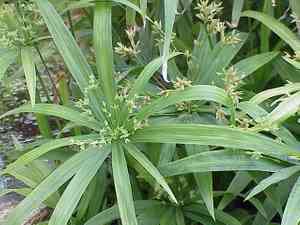
Bentawn flatsedge (Cyperus reflexus)
Also known as: Reflexed Sedge, Reflexed Flatsedge
Bentawn flatsedge (Cyperus reflexus) thrives in moist soils or shallow waters, often found in wetlands and along riverbanks. This sedge has an extended fruiting period from late spring to fall. It has become an invasive weed in pastures and disturbed areas in Australia, where it was unintentionally introduced through contaminated wool.
In This Article
Attributes of Bentawn flatsedge
Lifespan
Perennial
Plant Type
Grass
Plant Height
30 cm to 91 cm
Spread
Approximately 1 to 2 feet
Leaf Color
Green
Flower Size
Small, typically less than 0.5 inches
Flower Color
Greenish-brown
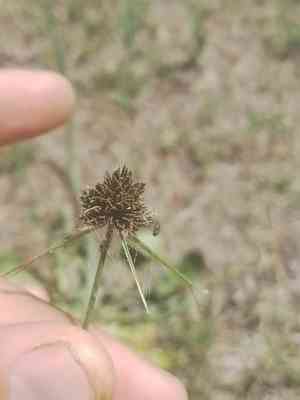
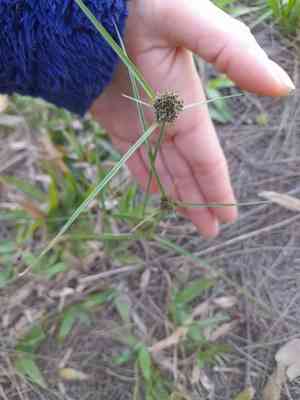
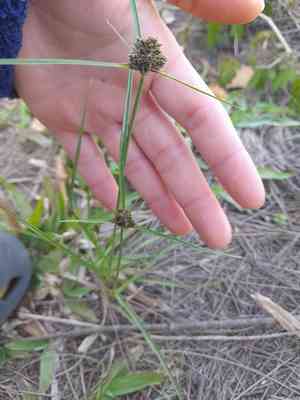
Images of Bentawn flatsedge
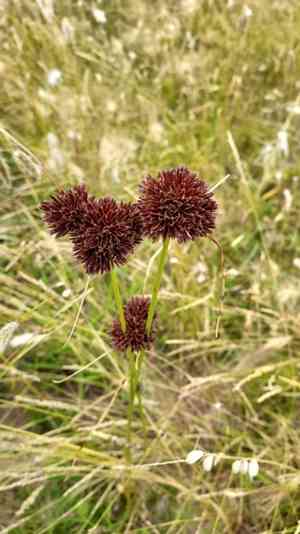
Quickly Identify Bentawn flatsedge
1
Cyperus reflexus can be identified by its reflexed spikelets which bend backwards on the stalk, and its green, grass-like leaves forming a dense clump. The plant usually grows in wet, marshy areas.
Scientific Classification of Bentawn flatsedge
Phylum
Vascular plants
Class
Monocotyledons
Order
Poales
Family
Sedge
Genus
Nutgrasses
Species
Bentawn flatsedge
Planting and Growing of Bentawn flatsedge
Care Difficulty
Easy
Watering Schedule
Every 2 days
Sunlight Requirements
Partial sun
Sunshine Duration
4-8 hours
Ideal Temperature
68-77℉
Soil Type
Potting Mix, Peat Mix
Soil pH
6.5-7.5
Fertilizer Type
Balanced
Pruning Season
Spring, Summer
Pruning Area
Branches, Leaves
Pruning Frequency
2 times a year
Repotting Season
Spring
Pot Type
Plastic, Ceramic
 How to Water Bentawn flatsedge?
Cyperus reflexus requires moderate watering. It's essential to keep the soil evenly moist but never soggy. Watering should be such that the top 1-2 inches of soil are moist. Ensure that the water reaches the roots to facilitate healthy growth.
What are the symptoms of an underwatered Bentawn flatsedge?
›
What should I do if my Bentawn flatsedge is not getting enough water?
›
What are the symptoms of an overwatered Bentawn flatsedge?
›
How to save an overwatered Bentawn flatsedge?
›
 What Are the Sunlight Requirements for Bentawn flatsedge?
Cyperus reflexus thrives in partial to full sun, benefiting from about 4 to 6 hours of sun daily. This ideal lighting encourages robust and resilient foliage, supporting sustained growth.
What kind of sunlight is best for Cyperus reflexus?
›
How can Cyperus reflexus be adjusted to ideal light conditions?
›
What benefits does ideal light exposure offer Cyperus reflexus?
›
 What Is the Ideal Temperature Range for Bentawn flatsedge?
Cyperus reflexus thrives best in temperatures ranging from 68 to 77°F. This temperature range supports its optimal physiological processes, including photosynthesis, transpiration, and enzymatic activities essential for healthy growth.
 What Soil is Best for Bentawn flatsedge?
Cyperus reflexus thrives in nutritionally rich soil that provides essential nutrients necessary for its growth. Utilizing compost or organic matter can enhance soil fertility, leading to robust plant development and vibrant foliage. This plant requires well-draining soil to prevent root rot and ensure healthy growth. Proper drainage reduces waterlogging, allowing roots to access oxygen and efficiently absorb nutrients. While good drainage is essential, the soil should still retain adequate moisture. This balance ensures consistent hydration, supporting the plant's metabolic processes and overall vitality.
 How to Fertilize Bentawn flatsedge?
Cyperus reflexus should be fertilized carefully to avoid nutrient burn. Use 1/4 to 1/2 of the recommended strength of a balanced, water-soluble fertilizer when applying liquid fertilizers. When using slow-release fertilizers, follow the package instructions but use the lower recommended rate for sensitive plants.
 How to Prune Bentawn flatsedge?
Start by identifying and removing any brown or spent stalks close to the base, being careful not to damage the healthy stems around them. For areas that appear crowded, thin out the stems to allow better airflow. Trim the plant to maintain a uniform appearance, ensuring to retain its natural shape and size. Regularly clean your tools before and after each session to maintain plant health. After pruning, give your Cyperus reflexus a good watering to help it recover. Ensure it has well-draining soil and the right light for its needs, either dappled sunlight or partial shade. Keep an eye out for any new growth and be prepared to perform touch-up trims to encourage fuller, vibrant foliage.
More About Pruning Techniques→
 How to Propagate Bentawn flatsedge plant?
1
Collect mature seeds from the plant and soak them in water for 24 hours to enhance germination. This process softens the seed coat, promoting successful sprouting when planted.
2
To propagate via division, carefully remove the plant from its pot, gently tease apart root clumps, and separate into smaller sections, each with leaves and roots intact.
3
Place the seeds or divided sections into a well-draining potting mix, watering lightly to settle the soil. Ensure that the substrate is moist but not waterlogged to prevent root rot.
 How to Repot Bentawn flatsedge plant?
1
Cyperus reflexus should be repotted when you notice its roots protruding from the drainage holes or when its growth noticeably slows down. This is usually a sign that the plant has outgrown its current pot and needs more space to thrive. Repotting during the active growing seasons of spring and summer allows the plant to recover quickly and establish itself in the new potting environment.
2
When selecting a pot for Cyperus reflexus, ensure it is slightly larger than the current one but not excessively large. The pot must have adequate drainage holes to prevent water from accumulating, which can lead to root rot. A pot that accommodates the plant’s natural spreading habit provides stability and encourages healthy root expansion, supporting vigorous growth.
3
The best soil for repotting Cyperus reflexus is a well-draining loamy mix that retains enough moisture without becoming waterlogged. A mix that combines organic matter like peat moss with perlite or coarse sand ensures drainage and aeration. This type of soil encourages robust root development and reduces the risk of root diseases that thrive in overly moist conditions.
Learn More About Bentawn flatsedge Diseases
Anthracnose
Bacterial Leaf Spot
Bacterial Soft Rot
Bacterial Wilt
Black Spot
Chemical Injury
Crown Gall
Cyst Nematode
Damping-off
Downy Mildew
Drought Stress
Fusarium Wilt
Gray Mold
Leaf Spot
Mosaic
Nutrient Deficiency
Nutrient Toxicity
Powdery Mildew
Root Rot
Root-knot Nematode
Rusts
Sooty Mold
Spider Mites
Temperature Stress
Thrips Damage
White Mold



