How to Prune Bristly flatsedge?
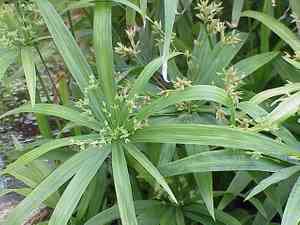
Bristly flatsedge, known for its unique spiky feel, thrives with trimming during the initial part of spring or throughout winter. Remove withered leaves to sustain its well-being and encourage fresh development. Concentrate on thinning out dense stalks to enhance airflow and lessen the chance of illness. Consistent trimming guarantees robust regeneration and prevents excessive density. For peak outcomes, consistently employ sanitized, keen implements to execute precise incisions, thereby reducing harm.
What Are the Benefits of Pruning Bristly Flatsedge?
What Are the Benefits of Pruning Bristly Flatsedge?
Bristly flatsedge benefits from trimming to promote vigorous growth and maintain its form. Regular trimming eliminates dead or damaged stems, encouraging new development, preserving structure, and preventing illnesses, ultimately enhancing the plant's health and look.
What Is the Best Time for Pruning Bristly Flatsedge?
What Is the Best Time for Pruning Bristly Flatsedge?
Trimming or cutting bristly flatsedge in early spring and winter is considered ideal for several reasons. During these periods, bristly flatsedge is typically in a dormant or less active growth phase, which reduces plant stress and minimizes the risk of disease and pest infestations. Early spring trimming allows the plant to recover and grow vigorously as the season progresses, promoting healthier and more robust growth. Winter trimming is beneficial because it removes old or damaged foliage without interfering with the plant's active growth cycle and prepares bristly flatsedge for a strong start in the spring. Both seasons are ideal for shaping and maintaining the desired form of bristly flatsedge while ensuring that the plant remains healthy and aesthetically pleasing.
What Tools Do I Need to Prune Bristly Flatsedge?
Hand Pruners
Hand pruners are perfect for making precise cuts on the thin, delicate stems of bristly flatsedge. They allow gardeners to remove old or damaged stems without disturbing the surrounding growth.
Pruning Shears
Pruning shears offer more leverage for thicker or tougher stems while still providing precise control. These are useful for shaping bristly flatsedge and promoting healthy growth.
Garden Scissors
Garden scissors are ideal for smaller, more detailed trimming work, especially around the base of the plant. They help in maintaining the plant's overall appearance and health.
How to Prune Bristly Flatsedge
Preparation
Before you begin, ensure your pruning shears are clean and sharp to prevent disease spread and ensure a clean cut.
Inspection
Carefully examine bristly flatsedge for any diseased or withered leaves. These can be identified by discoloration, spots, or wilting.
Trimming diseased leaves
Using your shears, trim away any diseased leaves. Cut these leaves back to the base, ensuring you remove all affected tissue to prevent the disease from spreading.
Trimming withered leaves
Next, trim away any withered leaves similarly by cutting close to the base of bristly flatsedge. Make sure to remove the whole leaf to encourage healthy growth.
Disposal
Dispose of all trimmed leaves properly, preferably by bagging them and discarding them in the trash, not composting, to avoid potential disease spread.
Common Pruning Mistakes with Bristly Flatsedge
Over-pruning
Excessive cutting can stress the plant, hindering its ability to recover and potentially causing dieback.
Improper tools
Using dull or dirty tools can cause ragged cuts, increasing the chances of infection and disease.
Wrong technique
Incorrect cutting angles or cutting too close to the base can damage essential parts of the plant.
Ignoring plant health
Pruning when the plant is already stressed or unhealthy can further weaken it, making it more susceptible to pests and diseases.
Cutting at the wrong places
Removing too much foliage from critical growth nodes can stunt future growth and flowering.
Common Pruning Tips for Bristly Flatsedge
Use clean, sharp tools
Always ensure your pruning shears or scissors are sterilized and sharp to make clean cuts, reducing the risk of infection.
Prune at an angle
Make cuts at a slight angle to ensure water doesn't settle on the cut surface, which can lead to rot.
Start small
Especially for novice gardeners, begin with minimal pruning to understand how the plant responds, and gradually adjust as needed.
Focus on dead or damaged areas
Prioritize removing dead, diseased, or damaged stems and leaves to promote healthy new growth.
Maintain the plant's natural shape
Avoid over-pruning by keeping the plant's natural form in mind, ensuring it remains aesthetically pleasing and structurally sound.
Monitor plant response
Observe how bristly flatsedge responds to your pruning efforts and make adjustments in technique as necessary to optimize growth and flowering.



