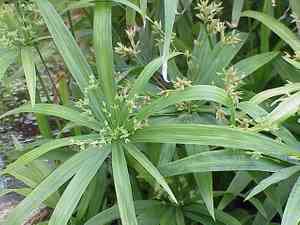
Bristly flatsedge (Cyperus hystricinus)
Also known as: No common aliases found
Bristly flatsedge is a perennial sedge that forms dense clumps with unique triangular stems. Its wiry, grass-like leaves often have a coarse texture. The plant's inflorescences consist of umbrella-like clusters of brownish spikelets, which attract various insects. It thrives in wet environments such as riverbanks and marshes, using its strong root system to anchor itself in soft, waterlogged soil and endure flooding.
In This Article
Attributes of Bristly flatsedge
Lifespan
Perennial
Plant Type
Grass
Plant Height
Typically ranges from 30 cm to 1 meter.
Spread
Not applicable as it is a grass-like plant
Leaf Color
Green
Flower Size
The spikelets can be up to 1 cm long.
Flower Color
Green to brown
Images of Bristly flatsedge
Quickly Identify Bristly flatsedge
1
Identify Cyperus hystricinus by its triangular stems, cluster of spikelets, and bristly, rough texture on its surface.
Scientific Classification of Bristly flatsedge
Phylum
Vascular plants
Class
Monocotyledons
Order
Poales
Family
Sedge
Genus
Nutgrasses
Species
Bristly flatsedge
Planting and Growing of Bristly flatsedge
Care Difficulty
Moderate
Watering Schedule
Every 2 days
Sunlight Requirements
Partial sun
Sunshine Duration
6-10 hours
Ideal Temperature
68-75℉
Soil Type
Potting Mix, Peat Mix
Soil pH
6.5-7.5
Fertilizer Type
Balanced
Pruning Season
Spring, Summer
Pruning Area
Branches, Leaves
Pruning Frequency
2 times a year
Repotting Season
Spring
Pot Type
Plastic, Ceramic
 How to Water Bristly flatsedge?
The amount of water needed by Cyperus hystricinus is roughly 250 ml per watering session. It's crucial to follow the principle of keeping the soil evenly moist but not waterlogged. Ensure that the top inch of the soil is damp, which can be checked by inserting your finger into the soil to gauge moisture levels.
What are the symptoms of an underwatered Bristly flatsedge?
›
What should I do if my Bristly flatsedge is not getting enough water?
›
What are the symptoms of an overwatered Bristly flatsedge?
›
How to save an overwatered Bristly flatsedge?
›
 What Are the Sunlight Requirements for Bristly flatsedge?
Partial sun provides Cyperus hystricinus the essential balance required for healthy growth. It aids in maintaining vibrant foliage and structural integrity, and minimizes the risk of stress-related issues.
How much light does Cyperus hystricinus require?
›
How can you provide ideal lighting for Cyperus hystricinus?
›
What benefits does ideal lighting offer to Cyperus hystricinus?
›
 What Is the Ideal Temperature Range for Bristly flatsedge?
The ideal temperature range for Cyperus hystricinus is between 68°F and 75°F. Within this range, the plant can thrive and grow optimally. Maintaining consistent temperatures in this range supports healthy growth and prevents stress. The temperature must remain stable with minimal fluctuations to promote the best physiological processes within the plant.
 What Soil is Best for Bristly flatsedge?
Cyperus hystricinus thrives in well-drained soil that allows excess water to escape easily. This prevents root rot and ensures the plant gets optimum moisture. The plant benefits from soil rich in organic matter, providing essential nutrients for robust growth and vibrant foliage. Consistent soil moisture levels are crucial, as they support the plant's needs without causing waterlogging which can be detrimental.
 How to Fertilize Bristly flatsedge?
For Cyperus hystricinus, consider using a balanced 10-10-10 liquid fertilizer. Mix 1 teaspoon of the fertilizer in 1 gallon of water and apply evenly across the soil surface to cover the root zone ensuring appropriate uptake.
 How to Prune Bristly flatsedge?
Begin by identifying and removing any dead or damaged stems at their base to improve air circulation. Trim around one-third of the oldest stems to encourage new growth. Ensure cuts are clean and made at a slight angle. Also, thin out crowded areas to maintain a balanced structure. In spring, focus on vigorous pruning to promote lush summer growth. During summer, maintain the shape and remove any spent foliage to prolong its beauty. As autumn approaches, reduce pruning to allow the plant to conserve energy for the winter. Avoid intense pruning in winter when the plant is dormant.
More About Pruning Techniques→
 How to Propagate Bristly flatsedge plant?
1
Carefully remove the plant from the pot or ground and gently shake off the soil. Use the sharp knife to cut the root ball into sections, ensuring each section has sufficient roots and shoots.
2
Fill a seed tray with a good quality seed compost. Sow seeds evenly, cover lightly with soil, and water gently. Ensure the compost remains moist but not waterlogged.
3
Plant each divided section into a new pot with fresh potting mix. Water well and keep them in a shaded area until new growth is observed.
 How to Repot Bristly flatsedge plant?
1
Repot Cyperus hystricinus when you notice roots protruding from the drainage holes or when the plant becomes root-bound. Spring is ideal for repotting, allowing the plant ample growing time to settle into its new home.
2
Select a pot that is slightly larger than the current one, with proper drainage holes at the bottom. A pot with adequate drainage prevents water from accumulating, which can lead to root rot. Choose a pot made of breathable material like terracotta for better moisture balance.
3
Use a well-draining potting mix rich in organic matter. This type of soil ensures that excess water drains through while retaining enough moisture for the plant's roots. The organic content provides essential nutrients that promote healthy growth.
Learn More About Bristly flatsedge Diseases
Anthracnose
Bacterial Leaf Spot
Bacterial Soft Rot
Bacterial Wilt
Chemical Injury
Damping-off
Downy Mildew
Drought Stress
Fusarium Wilt
Gray Mold
Leaf Spot
Mosaic
Nutrient Deficiency
Nutrient Toxicity
Powdery Mildew
Root Rot
Root-knot Nematode
Rusts
Sooty Mold
Spider Mites
Temperature Stress
Thrips Damage
White Mold



