How to Prune Variable flatsedge?
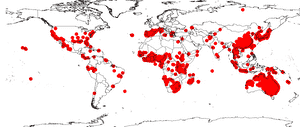
A moisture-loving, invasive sedge, Cyperus difformis flourishes in damp cultivated areas. For peak management, prune during its vigorous growth phasesâfrom spring to autumn. Essential trimming methods involve regularly severing its leaves close to the soil surface to inhibit the development of seed heads. Prompt pruning assists in curbing Cyperus difformis's aggressive spread and exhausts its energy stores, thereby preventing undesirable proliferation. Pruning offers no advantages to Cyperus difformis's well-being, but it is instrumental in regulating its expansion in uncultivated zones.
Advantages of Trimming Variable Flatsedge
Advantages of Trimming Variable Flatsedge
Trimming variable flatsedge promotes robust development and helps maintain its form. By selectively removing plant sections, air and light can better reach all areas, fostering a stronger and healthier structure.
Optimal Time for Trimming Variable Flatsedge
Optimal Time for Trimming Variable Flatsedge
In Spring, variable flatsedge is emerging from dormancy, making it an opportune moment to prune for encouraging vigorous new growth. Early Summer trimming aligns with the active growth phase, aiding in shaping the plant and preventing invasive tendencies before seeding. Late Fall pruning is ideal after variable flatsedge has finished its life cycle, as it prepares for winter dormancy, reducing stress and disease risk while controlling unwanted spread for the next season.
Tools Required for Trimming Variable Flatsedge
Sharp shears
Given the grass-like nature of variable flatsedge, sharp shears are perfect for making clean cuts without fraying stem ends, which is crucial for healthy regrowth and preserving the plant's look.
Hand pruners
Variable flatsedge can be easily managed with hand pruners, especially when shaping the plant or removing thicker stalks. These tools offer precision and control, beneficial for targeting specific areas without harming nearby plants.
Grass clippers
For more precise control and trimming variable flatsedge at ground level or for shaping, grass clippers can be utilized. Their design is specifically for cutting narrow grass-like species, ensuring a tidy finish.
Gardening gloves
Although variable flatsedge lacks thorns or sharp edges, gloves can shield hands from prolonged moisture or soil irritants during pruning, ensuring safe gardening practices.
Garden waste bag
To gather and remove variable flatsedge clippings, a garden waste bag is essential. It helps keep the area clean and allows for responsible disposal of plant material.
How to Trim Variable Flatsedge
Sanitize Tools
Before trimming variable flatsedge, clean and sterilize your tools to prevent disease transmission. Use a solution of one part bleach to nine parts water or rubbing alcohol.
Identify Dead Parts
Carefully inspect variable flatsedge to locate the withered leaves that require trimming. Look for leaves that are brown, dry, and clearly deceased.
Cut Off Dead Parts
Using sharp scissors or pruners, carefully snip the withered leaves at their base where they emerge from the stem or soil. Avoid damaging the healthy sections of variable flatsedge.
Discard Dead Parts
After trimming, collect and dispose of the withered leaves to prevent any potential spread of pests or diseases.
Water And Care
After trimming variable flatsedge, water the plant if the soil is dry, and ensure it resumes its regular care routine.
Common Trimming Errors with Variable Flatsedge
Excessive Pruning
Removing too much foliage at once, which can stress variable flatsedge and lead to poor plant health or even plant demise.
Incorrect Cutting
Making cuts that are either too close to the 'crown' or too far from it can harm the plant's natural growth pattern and hinder new shoots from developing.
Using Dull Tools
Employing dull or unclean pruning shears can create ragged cuts that make variable flatsedge more vulnerable to disease and pest infestations.
Pruning At Wrong Growth Stage
Cutting back variable flatsedge at an inappropriate growth stage might result in reduced vigor and fewer or no flowers.
Ignoring Dead Material
Failing to remove dead or yellowing leaves can impede growth and attract pests and diseases.
General Trimming Advice for Variable Flatsedge
Sharp Clean Tools
Always use sharp, clean pruning shears to make precise cuts that variable flatsedge can recover from quickly, minimizing disease risk.
Correct Pruning Technique
When trimming variable flatsedge, use angled cuts just above the node where new growth should emerge, allowing for efficient regrowth.
Regular Maintenance
Periodically check variable flatsedge and remove dead or yellowing growth to maintain plant health and stimulate new growth.
Respect Plant Structure
Understand the natural form of variable flatsedge and prune accordingly to maintain that structure, which will help the plant grow more vigorously.
Moderate Pruning
While variable flatsedge may be resilient, it is crucial to avoid removing more than one-third of the plant in any single trimming session to prevent stress.



