Variable flatsedge (Cyperus difformis)
Also known as: Dirty dora, Small-flower flatsedge
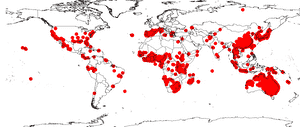
Variable flatsedge (Cyperus difformis) is an annual herbaceous plant known for becoming invasive in regions outside its native range, such as the Americas. It often grows as a weed in rice paddies and waterways, outcompeting native flora and disturbing local ecosystems. This plant is also referred to as small-flower umbrella sedge and rice sedge.
In This Article
Attributes of Variable flatsedge
Lifespan
Annual
Plant Type
Grass
Plant Height
6 cm to 80 cm
Spread
Not applicable
Leaf Color
Green Blue
Flower Size
0.8 mm to 1.3 mm
Flower Color
Yellow Green Brown
Images of Variable flatsedge
Quickly Identify Variable flatsedge
1
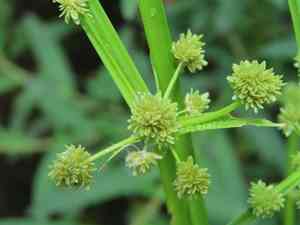
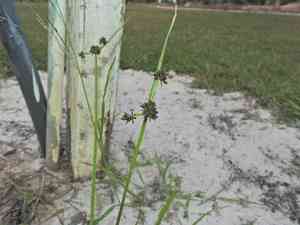
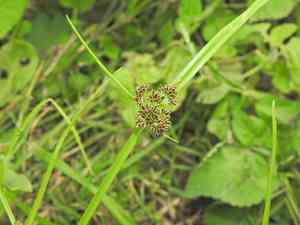
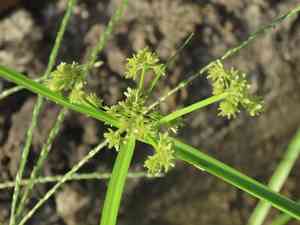
The plant can be identified by its grass-like appearance with triangular stems and umbrella-like clusters of small flowers. The leaves are typically shorter than the stems, and the inflorescence is a simple or compound umbel.
Scientific Classification of Variable flatsedge
Phylum
Vascular plants
Class
Monocotyledons
Order
Poales
Family
Sedge
Genus
Nutgrasses
Species
Variable flatsedge
Planting and Growing of Variable flatsedge
Care Difficulty
Easy
Watering Schedule
Every 4 days
Sunlight Requirements
Partial sun
Sunshine Duration
6-8 hours
Ideal Temperature
68-82℉
Soil Type
Potting Mix, Peat Mix
Soil pH
5.5-7
Fertilizer Type
Balanced
Pruning Season
Spring, Summer
Pruning Area
Branches, Leaves
Pruning Frequency
2 times a year
Repotting Season
Spring
Pot Type
Plastic, Ceramic
 How to Water Variable flatsedge?
Cyperus difformis thrives in consistently moist soil, but you need to ensure it is not waterlogged. Water with about 250ml per session, enough to keep the soil damp but ensure there is no stagnant water. The aim is to mimic the plant's natural wetland habitat.
What are the symptoms of an underwatered Variable flatsedge?
›
What should I do if my Variable flatsedge is not getting enough water?
›
What are the symptoms of an overwatered Variable flatsedge?
›
How to save an overwatered Variable flatsedge?
›
 What Are the Sunlight Requirements for Variable flatsedge?
Partial sun is ideal for Cyperus difformis. It balances the need for sunlight, aiding in photosynthesis while avoiding the harmful effects of overexposure. This light condition encourages strong growth and vibrant foliage, essential for its well-being.
More About Sunlight Requirements Techniques→
What kind of light does Cyperus difformis prefer?
›
How do you achieve the ideal light for Cyperus difformis?
›
What are the benefits of optimal light conditions for Cyperus difformis?
›
 What Is the Ideal Temperature Range for Variable flatsedge?
The ideal temperature for growing Cyperus difformis ranges from 68°F to 82°F. Maintaining this temperature range encourages optimal physiological processes such as photosynthesis, respiration, and nutrient absorption, fostering healthy and vigorous growth.
 What Soil is Best for Variable flatsedge?
Cyperus difformis thrives in soil that retains moisture well, such as loam and clay soils. This ensures consistent hydration, promoting healthy growth and preventing wilting. A nutrient-rich environment, often found in loam and clay, provides essential minerals that enhance plant vitality and boost resistance to diseases. Despite needing moisture, the plant requires proper drainage to prevent root rot. Sandy loam offers a balance by retaining some moisture while draining excess water efficiently.
 How to Fertilize Variable flatsedge?
For Cyperus difformis, use a balanced fertilizer at half strength to avoid overwhelming the plant's root system. Use approximately 5 grams per liter of water when preparing liquid fertilizer. Slow-release granules should be applied in small quantities, about 20 grams per square meter, to sustain the plant over an extended period.
 How to Prune Variable flatsedge?
Begin by identifying any brown, dead, or damaged stems. These parts of the plant can obstruct healthy growth and divert energy away from more productive areas. Carefully remove these unwanted sections. Trim the plant to maintain its desired shape and size. Focus on areas where the foliage is too dense as it can impede airflow and light. Cut just above a healthy growth node to encourage new shoots.
More About Pruning Techniques→
 How to Propagate Variable flatsedge plant?
1
Fill a seed tray with a well-draining soil mix. Ensure the soil is slightly compacted and even to provide a firm base for the seeds. Lightly moisten the soil before sowing the seeds of Cyperus difformis.
2
Scatter the seeds evenly across the soil surface without burying them, as they need light to germinate. Lightly press them into the soil to ensure contact but do not cover them. Mist the surface gently to settle the seeds.
3
Place the seed tray in a location with indirect sunlight and maintain a consistent temperature around 20-25°C (68-77°F). Keep the soil consistently moist with periodic misting and check for signs of growth over the next few weeks.
 How to Repot Variable flatsedge plant?
1
Cyperus difformis needs repotting when you observe roots emerging from drainage holes, indicating root-bound conditions. Also, if water runs right through the pot, it’s a sign the plant might need fresh soil to retain moisture better. Spring or early summer is the best time for this process, providing the plant ample growth time post-repotting.
2
Select a pot that is one size larger than the current one. Ensure the pot has adequate drainage holes to prevent water logging, which is crucial for this moisture-loving plant. Material matters too; clay pots can help manage moisture levels by absorbing excess water, but plastic pots are light and retain moisture longer, which also benefits this species.
3
Choose a soil mix that stays consistently moist but drains well to prevent root rot. A blend including loam ensures good nutrient and water retention while discouraging stagnant conditions that promote root diseases. Such soil supports healthy growth, providing the ideal environment for nutrient absorption.
Learn More About Variable flatsedge Diseases
Anthracnose
Bacterial Leaf Spot
Bacterial Soft Rot
Bacterial Wilt
Cyst Nematode
Damping-off
Downy Mildew
Drought Stress
Fusarium Wilt
Gray Mold
Leaf Spot
Mosaic
Nutrient Deficiency
Nutrient Toxicity
Powdery Mildew
Root Rot
Root-knot Nematode
Rusts
Sooty Mold
Spider Mites
Temperature Stress
Thrips Damage
White Mold



