How to Propagate Variable flatsedge?
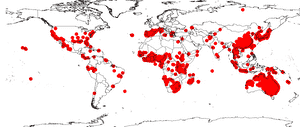
Originating from humid environments, variable flatsedge exhibits vigorous growth and a tendency to quickly expand. Its reproduction largely relies on seeding, given that variable flatsedge generates numerous seeds that readily take root in damp, nutrient-rich earth. Individuals intending to cultivate variable flatsedge must guarantee steady soil hydration during the early developmental stage after planting to aid in sprouting and root formation. Consistent observation of sufficient water content will contribute to effective propagation.
Optimal Time for Variable Flatsedge Propagation
Propagation Method
Seeding
Propagation Period
Spring
Essential Tools for Variable Flatsedge Propagation
Seed trays
Seed trays are perfect for managing the environment where variable flatsedge seeds sprout, offering consistent growing conditions and simplifying the care of young plants. These trays ensure each seed has ample room to develop without competition, boosting germination rates and initial growth.
Fine-grained horticultural sand
Horticultural sand is vital for enhancing soil drainage and aeration in the propagation medium, especially beneficial for variable flatsedge as it prefers moist, not soggy, conditions. Mixing sand with regular potting soil can prevent root rot and other moisture-related issues during seed germination.
Misting bottle or system
A misting bottle or automated misting system guarantees that variable flatsedge seeds receive a gentle moisture supply essential for germination, without dislodging them like heavier watering methods might. This is crucial because consistent, light moisture levels improve germination success and early seedling growth.
Grow lights (optional)
For propagators lacking sufficient natural light, grow lights can provide the necessary wavelengths to encourage healthy growth and development of variable flatsedge seedlings. These lights can replicate the ideal conditions variable flatsedge needs to flourish, ensuring robust growth indoors or in shaded areas.
Temperature control mat
Temperature control mats help keep the soil at an ideal warmth, which is critical for germinating variable flatsedge effectively. By ensuring consistent soil temperature, these mats can facilitate quicker and more uniform seed germination, important for healthy development in initial stages.
Steps to Propagate Variable Flatsedge
Propagation Difficulty
Simple
Post-Propagation Care for Your Variable Flatsedge
Post-Propagation Care for Your Variable Flatsedge
After sprouting, continue to provide variable flatsedge with consistent moisture and partial sun exposure. Gradually introduce the young plants to more direct sunlight to encourage strong growth. Ensure the soil remains well-draining to prevent root diseases. As variable flatsedge grows, thin out crowded plants to promote air circulation and reduce competition for nutrients. Regular monitoring for pests and diseases will maintain plant health. These care tips help variable flatsedge thrive post-propagation.
Common Errors to Avoid When Propagating Variable Flatsedge
Overwatering
Excessive moisture can lead to root rot and fungal infections in variable flatsedge, jeopardizing its health and reducing propagation success.
Use of overly mature seeds
Using seeds that are too old may decrease germination rates, as older seeds often have reduced viability which impacts the overall success of new plant growth.
Ignoring environmental weed potential
Variable flatsedge can be an aggressive grower under optimal conditions. Neglecting its potential to become weedy can lead to uncontrolled spread, potentially outcompeting other plants in the vicinity.
Advice for Propagating Variable Flatsedge
Seed freshness
Utilize fresh seeds for sowing, as newer seeds generally exhibit higher germination rates, ensuring better propagation outcomes for variable flatsedge.
Controlled watering
Maintain moderate soil moisture when propagating variable flatsedge. Ensuring the soil is damp but not saturated will support healthy root development without the risk of waterlogging.
Regular monitoring
Keep an eye on the growth and spread of variable flatsedge, especially in mixed plant settings, to manage its invasiveness and allow cohabitants enough space and resources to thrive.



