How to Prune Asian flatsedge?
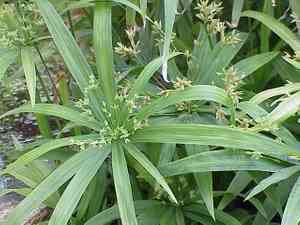
Cyperus microiria, recognized by its slender stalks and grouped flower clusters, necessitates meticulous trimming to preserve its vitality and look. The most suitable periods for pruning are during spring, summer, and autumn. Cut away any lifeless or injured stems and reduce density in congested zones to enhance airflow. Routinely eliminating faded blooms encourages more robust development and lowers the chance of illness. Steady pruning boosts the plant's strength and visual charm, guaranteeing a neat and flourishing presence in the garden.
Advantages of Trimming Asian Flatsedge
Advantages of Trimming Asian Flatsedge
Trimming asian flatsedge promotes robust development and helps maintain its desired form. Consistent cutting prevents excessive growth, ensuring asian flatsedge remains visually appealing and structurally sound in garden environments.
Optimal Period for Trimming Asian Flatsedge
Optimal Period for Trimming Asian Flatsedge
Trimming asian flatsedge during Spring, Summer, and Fall aligns with its active growth phase, aiding recovery and fostering healthier, denser development. These seasons ensure the plant is strong enough to heal from trimming without risk during dormant or less vigorous periods.
Required Tools for Trimming Asian Flatsedge
Hand Pruners
Perfect for cutting and shaping the slender stems of asian flatsedge, hand pruners deliver clean cuts that encourage healthy regrowth. Ensure blades are sharp to avoid harming delicate stems.
Grass Shears
Useful for uniformly cutting back larger areas of asian flatsedge, grass shears allow precision in shaping and maintaining a consistent look. Their design is especially effective for reaching into dense clumps without damaging nearby plants.
Gardening Scissors
These are ideal for more precise, detailed trimming tasks on asian flatsedge, including removing spent flower heads or damaged leaves. They offer excellent control and are easy to maneuver in tight spaces.
How to Trim Asian Flatsedge
Identify
Locate and select the withered or yellowed leaves of asian flatsedge. These are typically older leaves that no longer contribute to the plant's vitality.
Clean tools
Sanitize your trimming tools before use to prevent disease transmission. Use rubbing alcohol or a bleach solution to wipe down blades.
Cut
Using sharp scissors or pruning shears, carefully cut the withered leaves at their base where they connect to the stem or main plant body. Ensure cuts are clean and close to the stem to promote healing.
Dispose
Remove and properly discard the trimmed leaves to prevent potential disease spread or pest attraction.
Monitor
Regularly check asian flatsedge for additional withered leaves and repeat the trimming process as needed to maintain plant health and appearance.
Common Trimming Errors with Asian Flatsedge
Over-pruning
Removing too much foliage at once can stress asian flatsedge and hinder its growth. This can result in a weakened plant more vulnerable to diseases and pests.
Improper Technique
Using dull or unsuitable tools can create jagged cuts, making it easier for diseases to enter. Ensure you use sharp, clean shears for precise cuts.
Trimming at Incorrect Height
Cutting too close to the base or removing too much of the upper foliage can disrupt the plantâs natural growth pattern and lead to poor regrowth.
Ignoring Dead or Damaged Stems
Failing to remove dead or damaged stems can impede growth by allowing pests and diseases to persist and spread.
General Trimming Advice for Asian Flatsedge
Use Sharp Tools
Always use sharp, sterilized trimming shears to make clean cuts and prevent disease spread. Ensure tools are appropriate for the plant size to avoid unnecessary damage.
Strategic Trimming
Focus on removing dead, damaged, or misplaced stems. This will help improve air circulation and light penetration, encouraging healthier growth.
Moderate Trimming
Trim only about one-third of the plantâs foliage at a time. This prevents stress and promotes steady growth without overwhelming asian flatsedge.
Trim for Shape
Regularly trim to maintain the desired shape and size of asian flatsedge. This can enhance its appearance and ensure it does not become too leggy or overgrown.



