How to Propagate Asian flatsedge?
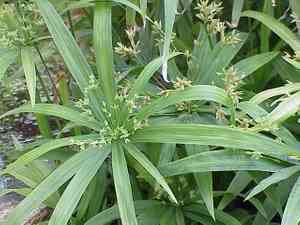
Asian flatsedge can be successfully multiplied by seeding. To achieve robust development, verify that the substrate is adequately drained and rich in nutrients. Gently blanket the seeds with earth to shield them, simultaneously permitting the light essential for sprouting. Preserve uniform dampness throughout the germination phase, yet prevent excessive saturation, which could impede root formation.
Optimal Time for Asian Flatsedge Propagation
Propagation Method
Seeding
Propagation Period
Spring
Tools for Asian Flatsedge Propagation
Seed Trays
Seed trays are vital for sowing asian flatsedge seeds. These shallow containers enable ideal seed density and are excellent for maintaining necessary moisture and temperature. Their compact nature simplifies managing growing conditions, crucial for asian flatsedge's initial development.
Fine-grained Soil Mix
A fine-textured soil mix is essential for asian flatsedge germination. This soil type ensures proper aeration and moisture retention, vital for seedling root system development. Choose a well-draining mix that can still hold enough moisture for healthy seedling growth without becoming waterlogged.
Misting Bottle
A misting bottle is best for gently moisturizing asian flatsedge seeds without disturbing them. The fine mist ensures even water distribution, preventing seedlings from drying out or becoming oversaturated. This tool helps maintain the delicate humidity balance needed for germination.
Heat Mat
A heat mat improves germination rates by providing consistent bottom warmth, often necessary for successful asian flatsedge seed development. Heat mats help replicate ideal growing conditions for asian flatsedge, especially in environments that naturally lack the required seed temperatures.
Grow Lights
Grow lights can be beneficial if natural sunlight is insufficient. They provide the necessary light spectrum for photosynthesis in young asian flatsedge seedlings, promoting robust and healthy growth. Adjust lights to prevent overheating, ensuring optimal positioning for even light distribution.
How to Propagate Asian Flatsedge
Propagation Type
Simple
Caring for Newly Propagated Asian Flatsedge
Caring for Newly Propagated Asian Flatsedge
After propagation, keep the soil moist as asian flatsedge thrives in damp conditions. Prevent water stagnation to avoid root rot. Fertilize with a balanced, water-soluble fertilizer every 4-6 weeks during the growing season. Monitor for pests and diseases, treating with suitable organic or chemical solutions if needed. As a perennial, asian flatsedge may benefit from winter mulching in colder climates to protect its roots.
Common Mistakes to Avoid When Propagating Asian Flatsedge
Overwatering
Excessive moisture can cause root rot, severely harming or killing asian flatsedge. Soil should remain moist but not waterlogged.
Improper Soil Type
Using soil that is too dense or clayey can impede asian flatsedge's growth. It requires well-draining soil to flourish.
Insufficient Light
Placing asian flatsedge in an area with inadequate light can hinder its development. Proper light exposure is crucial for healthy growth.
Neglecting Pest Control
Ignoring pest problems can lead to infestations and damage to asian flatsedge. Vigilance for pests and prompt action are essential.
Tips For Propagating Asian Flatsedge
Use Well-Draining Soil
Asian flatsedge prefers sandy or loamy soil that drains effectively. This helps prevent root rot and encourages healthier roots.
Monitor Watering
Keep the soil consistently moist but avoid over-saturation. Checking the top inch of soil can help determine if watering is necessary.
Provide Adequate Sunlight
Ensure asian flatsedge receives ample indirect sunlight. A bright location without direct harsh sun will promote optimal growth.
Control Pests Early
Regularly inspect asian flatsedge for signs of pests like aphids or spider mites. Use appropriate treatments if infestations are detected.



