How to Prune Wheel wingnut?
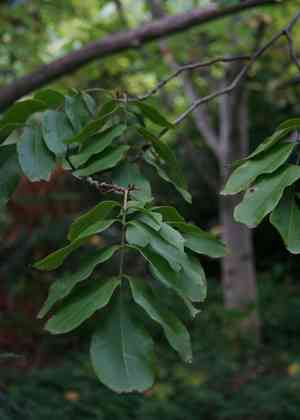
Recognized for its therapeutic properties and distinctive wingnut-shaped seeds, wheel wingnut flourishes with meticulous trimming. Begin pruning in late winter or early spring prior to the emergence of new shoots. Eliminate any deceased or compromised branches and sculpt the crown to facilitate light access and air circulation. Reducing dense branches fosters robust development and boosts foliage generation, which is crucial for this variety. Performing pruning during the suggested periods guarantees minimal strain and excellent recuperation for wheel wingnut.
Advantages of Trimming Wheel Wingnut
Advantages of Trimming Wheel Wingnut
Trimming wheel wingnut promotes robust development and helps maintain its form, ensuring both visual appeal and structural soundness. Regular trimming can boost the plant's overall health and vigor.
Optimal Period for Trimming Wheel Wingnut
Optimal Period for Trimming Wheel Wingnut
Trimming wheel wingnut in late winter or early spring is ideal as this timing coincides with the plant's dormant phase. During this period, wheel wingnut's growth is temporarily paused, which minimizes stress and the chance of disease transmission compared to other seasons when the plant is actively growing. It also allows wheel wingnut to recover and channel energy into new growth as temperatures rise. Avoid trimming in the fall since cuts might not heal before winter's arrival, potentially leading to cold damage. Trimming before the spring growth surge ensures the plant's energy is efficiently utilized for the development of new shoots, leaves, and, if applicable, flowers or fruits. It is also simpler to identify and remove any dead or diseased branches at this time because the foliage has not yet fully emerged, offering better visibility and access.
Necessary Tools for Trimming Wheel Wingnut
Hand Pruners
For younger or smaller branches of wheel wingnut, less than 1/2 inch thick, hand pruners or secateurs are recommended for making clean cuts without harming the plant. Their precision allows for selective trimming of specific branches.
Loppers
When the branches of wheel wingnut are between 1/2 inch and 2 inches in diameter, loppers provide the necessary leverage and reach. Their long handles and larger blades make them suitable for cutting through thicker growth without strain.
Pruning Saws
For mature branches of wheel wingnut over 2 inches in diameter, a pruning saw is essential. It can handle the larger, tougher branches that hand pruners and loppers cannot cut and is designed for clean and efficient trimming of woody growth.
Pole Pruners
If wheel wingnut has branches that are out of reach, a pole pruner allows for trimming without the use of a ladder. It consists of a saw or lopper on an extendable pole, which is especially helpful for tall specimens of wheel wingnut.
Hedge Shears
For shaping the outer foliage of wheel wingnut, hedge shears can create a neat, even appearance. However, they should be used with caution to avoid excessive removal of foliage which can stress the plant.
How to Trim Wheel Wingnut
Safety
Wear protective gloves and use sanitized trimming shears to minimize the risk of infection to wheel wingnut.
Identify
Examine wheel wingnut thoroughly to locate all dead or diseased branches that need to be removed.
Clean Cut
Make a clean cut at a slight angle just above a bud that faces outward to encourage proper growth and prevent water accumulation on the cut surface.
Disinfect
Clean the trimming shears with alcohol or a household disinfectant after each cut to prevent spreading disease to healthy parts of wheel wingnut.
Maintenance
Remove all the cut branches from around the base of wheel wingnut and dispose of them properly to reduce the risk of disease and pest infestation.
Common Trimming Errors with Wheel Wingnut
Over-trimming
Removing too much foliage at once can stress wheel wingnut, leading to poor growth or susceptibility to disease.
Incorrect cuts
Making cuts that are either too close or too far from the main stem can cause damage to wheel wingnut, resulting in weak growth and potential entry points for pests.
Removal of healthy growth
Cutting away healthy branches or leaves without reason can limit wheel wingnut's potential for photosynthesis and reduce overall vitality.
Ignoring dead material
Failing to remove dead or diseased branches can hinder growth and potentially spread disease within wheel wingnut.
Trimming without disinfected tools
Using tools that haven't been cleaned may introduce pathogens to wheel wingnut, increasing the risk of disease.
General Trimming Advice for Wheel Wingnut
Selective thinning
Remove selective inner branches to improve air circulation and light penetration, which benefits wheel wingnut's overall health and growth.
Sharp clean tools
Use sharp, well-maintained, and disinfected trimming tools to make clean cuts that wheel wingnut can heal quickly from, reducing stress and disease risk.
Trim for shape
Trim wheel wingnut to maintain its natural shape, removing only those branches that disrupt its symmetry or desired form.
Gradual trimming
Approach trimming in stages, especially if substantial shaping is needed. This gradual process places less stress on wheel wingnut.
Identify and trim problem branches
Look for and promptly trim branches that are dead, diseased, crossing, or rubbing against each other to maintain a healthy structure in wheel wingnut.



