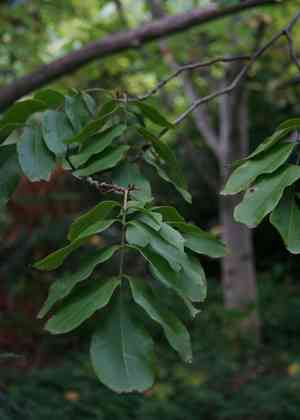
Wheel wingnut (Cyclocarya paliurus)
Also known as: Wheel Wingnut, Qing Qian Liu
The Wheel Wingnut (Cyclocarya paliurus) is a deciduous tree indigenous to China, capable of reaching heights of up to 30 meters. It is recognized for its unique disc-shaped fruits that emerge in late summer or early autumn. Despite being nearly extinct in its natural habitat, ongoing cultivation efforts aim to preserve it. Traditionally, its leaves have been used in China to brew a sweet-tasting tea, although the tree's scarcity has made this practice less widespread.
In This Article
Attributes of Wheel wingnut
Lifespan
Perennial
Plant Type
Tree
Plant Height
30 m
Spread
1.5 m to 2 m
Leaf Color
Green in summer, yellow in autumn
Flower Size
8 cm to 13 cm
Flower Color
Yellow Green
Quickly Identify Wheel wingnut
1
The tree can be identified by its compound leaves with a pinnate structure and uniquely shaped winged fruit. Its bark is grayish and smooth when young but becomes fissured with age.
Scientific Classification of Wheel wingnut
Phylum
Vascular plants
Class
Dicotyledons
Order
Beeches, walnuts, and allied trees
Family
Walnut
Genus
Qing Qian Liu
Species
Wheel wingnut
Planting and Growing of Wheel wingnut
Care Difficulty
Moderate
Watering Schedule
Every 4 days
Sunlight Requirements
Partial sun
Sunshine Duration
4-6 hours
Ideal Temperature
59-77℉
Soil Type
Potting Mix, Peat Mix
Soil pH
6.5-7.5
Fertilizer Type
Balanced
Pruning Season
Spring, Summer
Pruning Area
Branches, Leaves
Pruning Frequency
2 times a year
Repotting Season
Spring
Pot Type
Plastic, Ceramic
 How to Water Wheel wingnut?
Cyclocarya paliurus requires about 500ml of water per watering session. Ensure that the soil is evenly moist but not waterlogged to avoid root rot. It's essential to water the plant thoroughly so that water reaches the root system deeply but allows excess water to drain away.
What are the symptoms of an underwatered Wheel wingnut?
›
What should I do if my Wheel wingnut is not getting enough water?
›
What are the symptoms of an overwatered Wheel wingnut?
›
How to save an overwatered Wheel wingnut?
›
 What Are the Sunlight Requirements for Wheel wingnut?
Cyclocarya paliurus prefers partial to full sun conditions. With ideal lighting, it achieves vibrant growth, improved photosynthesis, and resistance against environmental stress.
What are the ideal lighting conditions?
›
How to achieve the ideal lighting conditions?
›
What are the benefits of ideal lighting?
›
 What Is the Ideal Temperature Range for Wheel wingnut?
The ideal temperature range for cultivating Cyclocarya paliurus is between 59°F and 77°F. This temperature range provides the necessary warmth for optimal growth and photosynthesis. Consistent environmental conditions within this range can help ensure vibrant foliage and healthy development. Maintaining such a range minimizes stress on the plant, allowing it to allocate energy efficiently for growth and reproduction.
 What Soil is Best for Wheel wingnut?
Cyclocarya paliurus thrives best in nutrient-rich soil, which provides essential minerals that promote robust growth and healthy foliage for this resilient tree. Ensuring a well-balanced supply of nutrients will contribute to its longevity and vitality. This plant prefers well-draining soil, which helps prevent root rot by allowing excess water to escape easily. This type of soil aids in maintaining optimal moisture balance, crucial for promoting healthy root development and preventing over-saturation. Keeping the soil moderately moist ensures that Cyclocarya paliurus receives consistent hydration without waterlogging. This balance is vital for its growth and sustenance, especially during dry spells.
 How to Fertilize Wheel wingnut?
For Cyclocarya paliurus, a balanced and moderate application is key. Use a liquid fertilizer at half the strength recommended by the manufacturer, applying evenly across the root zone. When using slow-release fertilizers, distribute granules sparingly, ensuring they do not cluster at one spot to avoid root burn.
 How to Prune Wheel wingnut?
Start by identifying and removing any branches that are dead, diseased, or damaged. Use a sawing motion for thicker branches to ensure a clean cut, just above the branch collar. Prune the tree to maintain its natural shape while allowing light and air to penetrate the inner canopy. This involves removing overcrowded branches and ensuring none cross or rub against each other. Periodically step back from the tree to assess its overall shape and balance. This ensures you are not over-pruning and helps you maintain symmetry and the desired form.
More About Pruning Techniques→
 How to Propagate Wheel wingnut plant?
1
Choose healthy and viable seeds from a mature Cyclocarya paliurus tree. It's crucial to gather seeds in the optimum season for better germination rates. Test a few seeds to ensure they are filled and not hollow.
2
Prepare a well-draining seed-starting mix. You can use a mixture of peat moss, perlite, and vermiculite to maintain the ideal balance of moisture and aeration. This helps the seeds to germinate without the risk of rot.
3
Select a healthy shoot for cutting propagation in early summer. Use sterilized pruning shears to cut a 4-6 inch section just below a node. Remove the lower leaves to reduce moisture loss, then immerse the cutting in rooting hormone.
 How to Repot Wheel wingnut plant?
1
Cyclocarya paliurus shows clear signs when it requires repotting—such as roots emerging from the drainage holes, stunted growth, or the potting mix drying out too quickly after watering. The best time to repot is during the spring or summer when the plant is actively growing.
2
Select a pot that is 1 to 2 inches larger in diameter than the current one. Ensure it has adequate drainage holes to prevent waterlogging. A slightly larger pot provides enough space for root expansion, promoting healthy growth and reducing the risk of root-bound conditions.
3
Use a well-draining, slightly acidic potting mix. The ideal blend typically includes components like peat moss, perlite, and pine bark. This soil composition ensures proper aeration, moisture retention, and nutrients replacement, accommodating the plant’s preference for slightly acidic conditions.



