How to Prune American rockbrake?
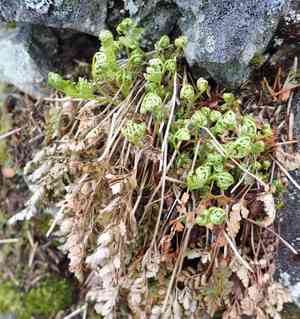
This enduring fern flourishes in stony environments. Care for american rockbrake includes severing withered fronds near the soil line to preserve tidiness and stimulate robust development. The most suitable time for this task is in spring, following the emergence of new foliage, or during summer. Decayed or injured fronds may also be detached in autumn. Trimming boosts the plant's vitality and visual charm, preventing excessive density and the potential dissemination of ailments. Make sure to execute precise cuts to avert harm. Consistent inspections after pruning aid in detecting any problems promptly.
Advantages of Trimming American Rockbrake
Advantages of Trimming American Rockbrake
Trimming american rockbrake encourages robust new development, ensuring the plant stays healthy and strong. Furthermore, precise cuts help maintain its desired form and dimensions, enhancing american rockbrake's visual appeal in garden settings.
Optimal Time for Trimming American Rockbrake
Optimal Time for Trimming American Rockbrake
Trimming american rockbrake in Spring coincides with the start of its growth cycle as the plant emerges from dormancy, making it an opportune moment to shape the plant and remove any dead or damaged fronds. Early Summer trimming allows for the removal of any irregular growths or spent fronds, without negatively affecting the plant's vitality during its peak growing season. Late Fall is perfect for tidying up american rockbrake after the growing season has concluded and before it enters dormancy, preventing potential harm from winter weather and pests that might exploit injuries from improper trimming times.
Tools Required for Trimming American Rockbrake
Hand Pruners
For american rockbrake, a delicate fern, it's crucial to use hand pruners that offer precision and minimal harm to surrounding fronds. Pruning shears with sharp, bypass blades are ideal as they create clean cuts that heal quickly.
Micro-Tip Snips
Given american rockbrake's small size and fine texture, micro-tip snips or precision pruners are especially useful. These tools allow for meticulous control and are perfect for snipping small, dead, or yellow fronds without disturbing the rest of the plant.
Leaf Scissors
For shaping or thinning american rockbrake without causing extensive damage to the fern, leaf scissors are an excellent option. Their long, narrow blades are designed for reaching into tight spaces within dense foliage.
How to Trim American Rockbrake
Identify
Carefully examine american rockbrake to pinpoint diseased leaves, withered leaves, dead branches, and diseased branches that require trimming.
Disinfect
Before beginning the trimming process, sanitize all pruning tools to prevent the spread of disease to healthy parts of american rockbrake.
Trim leaves
Using clean, sharp scissors or pruning shears, carefully remove diseased and withered leaves from american rockbrake, ensuring cuts are made close to the base without harming the stem.
Trim branches
Remove dead and diseased branches of american rockbrake by cutting them back to the base or to the point of healthy growth. Avoid leaving stubs as they can attract pests and diseases.
Cleanup
Remove all trimmed material from around american rockbrake and dispose of it properly to prevent the spread of any potential diseases to other plants.
Common Trimming Errors with American Rockbrake
Excessive Trimming
Removing too much foliage from american rockbrake can weaken the plant. It's vital to limit trimming to no more than a third of the plant's size at a time to avoid unnecessary stress.
Trimming live fronds
Cutting live fronds from american rockbrake can hinder its ability to photosynthesize and grow. Trimming should be restricted to dead or damaged fronds only.
Using unsanitized tools
Trimming american rockbrake with tools that are not clean can introduce pathogens and invite disease. It's essential to use sterilized tools for trimming to maintain plant health.
Imprecise cuts
Making jagged or tearing cuts can harm american rockbrake's delicate fronds. Precision is key; make clean, sharp cuts to prevent damage to the fronds.
Neglecting to trim
Failing to remove dead or dying fronds from american rockbrake can result in an unhealthy and unkempt appearance. Regular, gentle trimming is crucial for the aesthetic upkeep and vigor of the plant.
General Trimming Advice for American Rockbrake
Focus on dead fronds
Concentrate on removing only the dead or damaged fronds from american rockbrake, as it is sensitive to trimming. This helps in preserving the plant's energy for healthy growth.
Sharp tools
Utilize sharp scissors or pruners to cut the fronds cleanly. This helps in preventing damage to the remaining healthy tissue.
Protective base
Keep the clump-forming base of american rockbrake undisturbed while trimming. This base is vital for its growth and propagation.
Post-trimming care
After trimming, provide american rockbrake with optimal care, such as ensuring adequate moisture levels, to help it recover smoothly.
Gentle handling
Due to the delicate nature of american rockbrake, handle it gently during trimming. Avoid pulling or tearing fronds to maintain the plant's structure and integrity.



