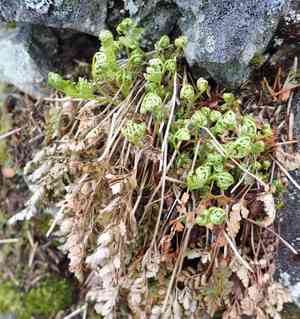
American rockbrake (Cryptogramma acrostichoides)
Also known as: American parsley fern, Rock brake
Another name for Cryptogramma acrostichoides is the American parsley fern. This fern is native to much of western North America and often thrives in rocky crevices. Its small stature sets it apart from many other fern species.
In This Article
Attributes of American rockbrake
Lifespan
Perennial
Plant Type
Herb
Plant Height
10 cm to 25 cm
Spread
20 cm to 30 cm
Leaf Color
Bright green
Flower Size
N/A
Flower Color
N/A
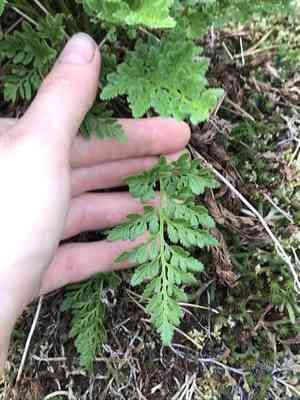
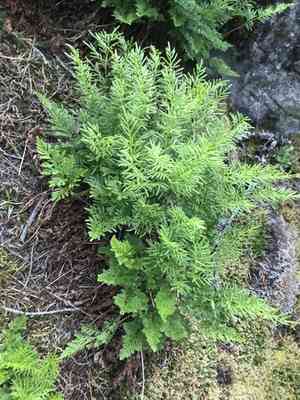
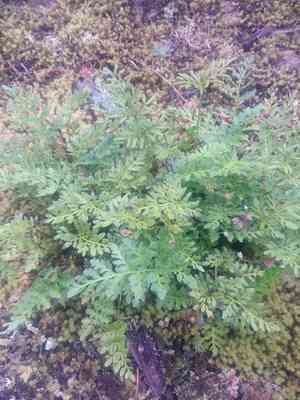
Images of American rockbrake
Quickly Identify American rockbrake
1
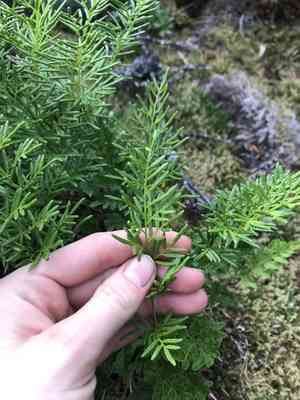
Cryptogramma acrostichoides can be identified by its finely divided, bright green fronds that resemble parsley. The fertile fronds have sporangia on the undersides, which are often masked by the tightly rolled edges in mature fronds.
Scientific Classification of American rockbrake
Phylum
Vascular plants
Class
Ferns
Order
Polypodiales
Family
Brake
Genus
Parsley fern
Species
American rockbrake
Planting and Growing of American rockbrake
Care Difficulty
Easy
Watering Schedule
Every 2 days
Sunlight Requirements
Partial sun
Sunshine Duration
6-10 hours
Ideal Temperature
60-75℉
Soil Type
Potting Mix, Peat Mix
Soil pH
6.5-7.5
Fertilizer Type
Balanced
Pruning Season
Spring, Summer
Pruning Area
Branches, Leaves
Pruning Frequency
2 times a year
Repotting Season
Spring
Pot Type
Plastic, Ceramic
 How to Water American rockbrake?
For Cryptogramma acrostichoides, it's important to provide around 150 ml of water per session, ensuring the soil is evenly moist but not waterlogged. The goal is to mimic its natural habitat in moist forests, keeping the roots damp without suffocating them in water.
What are the symptoms of an underwatered American rockbrake?
›
What should I do if my American rockbrake is not getting enough water?
›
What are the symptoms of an overwatered American rockbrake?
›
How to save an overwatered American rockbrake?
›
 What Are the Sunlight Requirements for American rockbrake?
Partial sun in the morning or late afternoon with shade during midday is ideal. This balance protects the fronds from scorching while enabling photosynthesis, enhancing the plant's appearance and growth.
How much light does it require?
›
What if it receives too much light?
›
How to ensure the best light conditions?
›
 What Is the Ideal Temperature Range for American rockbrake?
Cryptogramma acrostichoides, commonly known as American rockbrake, thrives best in environments where temperatures range from 60°F to 75°F. This range provides the most conducive conditions for photosynthesis and overall growth, supporting bright green fronds and healthy root development. Maintaining temperatures within this interval encourages robust plant health and vigor.
 What Soil is Best for American rockbrake?
Cryptogramma acrostichoides thrives in nutrient-rich soil that supports its growth and sustenance. Enriching the soil with organic compost not only enhances microbial activity but also promotes faster growth and healthier fronds. For ideal growth, the soil should have good drainage to prevent waterlogging. The plant's roots need to breathe and over-saturation can lead to root rot, impeding its natural development. While drainage is crucial, a balance in moisture retention safeguards against drought stress. Mulching can be valuable, retaining necessary moisture while providing a cooling effect during warmer conditions.
 How to Fertilize American rockbrake?
Cryptogramma acrostichoides, commonly known as the fragile fern, benefits from a delicate balance of nutrients. The ideal amount of fertilizer for this plant is modest. For liquid fertilizer, mix it at half the recommended strength to prevent over-fertilization, which can harm the plant. A light hand with fertilizer ensures that the fern receives just enough sustenance to flourish without overwhelming its sensitive roots.
 How to Prune American rockbrake?
Begin pruning Cryptogramma acrostichoides by removing any dead, damaged, or diseased fronds to promote overall plant health. Next, assess the plant for overcrowded areas and selectively remove fronds to improve air circulation. Always use clean, sharp scissors or pruning shears to make precise cuts. Aim to maintain a natural shape that follows the plant’s growth pattern. Ensure you only cut back part of each frond to encourage a fuller appearance in the next growth cycle.
More About Pruning Techniques→
 How to Propagate American rockbrake plant?
1
Select healthy and well-established clumps of Cryptogramma acrostichoides to divide. This ensures the divisions are strong and have a high chance of successful propagation.
2
Use the garden trowel to carefully dig up the root ball. Gently tease apart the roots into smaller sections, ensuring each section has a healthy root system and several fronds.
3
Transplant the divided sections into prepared soil with good drainage. Water them thoroughly but gently, ensuring they are well-settled into their new location without air pockets around the roots.
 How to Repot American rockbrake plant?
1
Look for signals like roots spiraling at the pot's base or slowed growth, indicating the plant's need for a roomier environment to expand comfortably, especially in early spring or autumn when the plant is most amenable to transitioning.
2
Select a pot that's slightly larger than the current one, with sufficient drainage holes. This prevents waterlogging and root rot, encouraging the plant's natural growth pattern while providing the space needed for its delicate roots to spread.
3
Opt for sandy loam with excellent drainage properties, mirroring its natural rocky cliffside habitats. This soil mix prevents water stagnation and allows the roots to breathe, promoting healthy growth and reducing the risk of fungal infections.
Learn More About American rockbrake Diseases
Anthracnose
Bacterial Leaf Spot
Bacterial Soft Rot
Black Spot
Chemical Injury
Crown Gall
Cyst Nematode
Damping-off
Downy Mildew
Drought Stress
Fusarium Wilt
Gray Mold
Leaf Curl
Leaf Spot
Mosaic
Nutrient Deficiency
Nutrient Toxicity
Powdery Mildew
Root Rot
Root-knot Nematode
Rusts
Sooty Mold
Spider Mites
Temperature Stress
Thrips Damage
White Mold



