How to Prune Gulf croton?
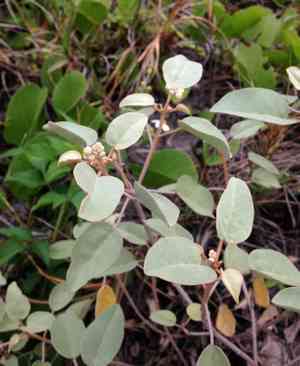
Gulf croton is a perennial shrub characterized by its robust leaves and capacity to thrive in diverse soil types. To achieve optimal outcomes, perform pruning in early spring, prior to the emergence of new shoots. Concentrate on excising deceased or impaired branches and sculpting the plant to foster a denser form. Appropriate trimming improves air movement and diminishes the likelihood of ailments. Always employ sanitized, keen implements to avert pathogen introduction. As per botanical specialists, strategic pruning contributes to more robust, flourishing specimens.
What Are the Benefits of Pruning Gulf Croton?
What Are the Benefits of Pruning Gulf Croton?
Trimming gulf croton encourages robust development and helps maintain its form. This practice improves the plant's overall look and vitality, ensuring it flourishes and remains visually appealing. Regular trimming assists in managing size and stimulating strong growth.
What Is the Best Time for Pruning Gulf Croton?
What Is the Best Time for Pruning Gulf Croton?
Trimming in early spring is optimal for gulf croton as it aligns with the plantâs growth cycle, when new shoots start to appear. This timing helps to stimulate healthy growth and ensures the plant's vigor. Additionally, trimming before the active growing season minimizes stress on the plant and provides ample time for recovery. Early spring trimming also avoids disrupting the flowering or fruiting periods of gulf croton, promoting better overall health and aesthetic appeal of the plant.
What Tools Do I Need to Prune Gulf Croton?
Bypass Pruners
Perfect for cutting live stems and branches with accuracy. Ensures smooth cuts, which are vital for the plantâs health and development.
Pruning Shears
Useful for trimming leaves and smaller stems precisely, helping to maintain the plantâs shape and encourage healthy growth.
Loppers
Needed for cutting thicker stems or branches, ensuring efficient trimming without harming the plant.
Pruning Saw
Essential for removing larger or older branches, providing clean cuts while minimizing damage to the plant.
How to Prune Gulf Croton
Clean tools
Ensure all trimming tools are sanitized to prevent disease spread. Use a solution of one part bleach to nine parts water to disinfect tools.
Identify targets
Examine gulf croton for the specific parts that need to be removed: diseased leaves, withered leaves, dead branches, and diseased branches.
Remove diseased leaves
Carefully remove any diseased leaves. Make clean cuts close to the base of the leaf stem to avoid leaving stubs.
Remove withered leaves
Snip off any withered or dead leaves from gulf croton. Focus on removing leaves that are brown, dry, or show signs of irreversible damage.
Pruning dead diseased branches
Cut away dead or diseased branches. Trim off these branches back to healthy tissue or to the main stem, ensuring a clean cut to avoid further infection.
Common Pruning Mistakes with Gulf Croton
Over-pruning
Cutting back too much foliage at once can stress the plant and hinder its growth, leading to poor development and potential dieback.
Improper technique
Using dull or dirty tools can cause ragged cuts, which make the plant susceptible to diseases and pests.
Ignoring the plantâs natural shape
Trimming without considering the natural growth habit of gulf croton can result in an unnatural appearance and unbalanced growth.
Incorrect cut placement
Making cuts too far from a node or bud can cause dieback, while cuts too close can damage the bud and impede new growth.
Common Pruning Tips for Gulf Croton
Use clean, sharp tools
Ensure that trimming shears, loppers, and saws are sterilized and sharp to make clean cuts that heal quickly and reduce the risk of infection.
Follow the natural shape
Observe the plantâs natural growth pattern and make cuts that maintain or enhance its form. This helps the plant look aesthetically pleasing and promotes healthy growth.
Make precise cuts
Always cut just above a node or bud, angling the cut away from the bud to encourage new growth and prevent water from settling on the cut surface.
Remove dead or damaged branches
Regularly inspect gulf croton and trim any dead, diseased, or damaged branches to improve overall plant health and reduce the risk of spreading infections.
Thin out crowded areas
Selective trimming to thin out dense growth allows better air circulation and light penetration, which promotes healthier foliage and reduces the likelihood of fungal diseases.



