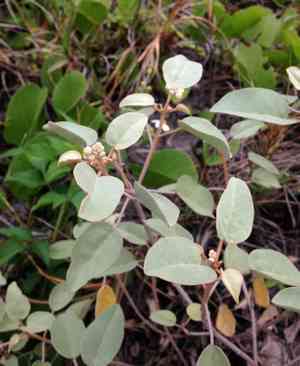
Gulf croton (Croton punctatus)
Also known as: Beach Tea, Gulf Croton
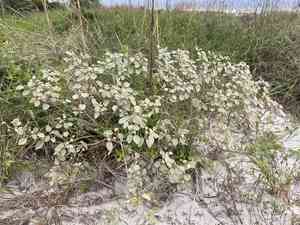
The Gulf croton is a hardy coastal plant noted for its oval, leathery leaves that are dotted with small spots. These spots create a sand-dusted look, helping it blend seamlessly into its sandy dune environment. The plant also features small clusters of creamy or greenish flowers, adding to its subtle coastal charm while maintaining a low profile.
In This Article
Attributes of Gulf croton
Lifespan
Perennial
Plant Type
Shrub
Plant Height
Typically between 1 to 3 feet
Spread
Typically spreads 1 to 3 feet wide
Leaf Color
Silvery-grey
Flower Size
Small, under 1 inch
Flower Color
Greenish-yellow
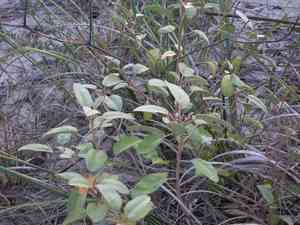
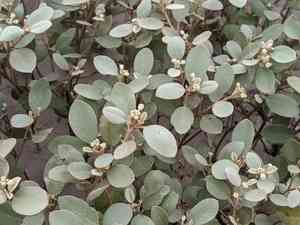
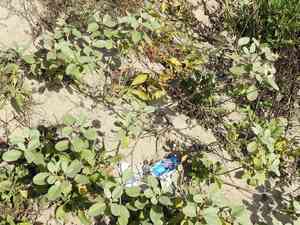
Images of Gulf croton
Quickly Identify Gulf croton
1
Croton punctatus can be identified by its small, silvery-grey leaves which are covered in fine, star-shaped hairs. It produces small greenish-yellow flowers on long stems, and its seeds are contained within small, rounded capsules.
Scientific Classification of Gulf croton
Phylum
Vascular plants
Class
Dicotyledons
Order
Malpighiales
Family
Spurge
Genus
Rushfoils
Species
Gulf croton
Planting and Growing of Gulf croton
Care Difficulty
Moderate
Watering Schedule
Every 4 days
Sunlight Requirements
Full sun
Sunshine Duration
6-10 hours
Ideal Temperature
65-75℉
Soil Type
Potting Mix, Peat Mix
Soil pH
6.5-7.5
Fertilizer Type
Balanced
Pruning Season
Spring, Summer
Pruning Area
Branches, Leaves
Pruning Frequency
2 times a year
Repotting Season
Spring
Pot Type
Plastic, Ceramic
 How to Water Gulf croton?
Croton punctatus prefers a balanced watering approach, making sure the soil is moist but not waterlogged. Ensure the top inch of the soil feels dry before rewatering. Use approximately 250 ml of water per session, ensuring it can drain freely from the bottom.
What are the symptoms of an underwatered Gulf croton?
›
What should I do if my Gulf croton is not getting enough water?
›
What are the symptoms of an overwatered Gulf croton?
›
How to save an overwatered Gulf croton?
›
 What Are the Sunlight Requirements for Gulf croton?
Croton punctatus thrives in partial sun conditions. Providing this optimal range encourages vibrant leaf color and strong growth. The balance of indirect and direct light maximizes photosynthetic efficiency and plant vitality.
What is the best location for Croton punctatus?
›
How to ensure it gets enough light?
›
What are the benefits of ideal lighting?
›
 What Is the Ideal Temperature Range for Gulf croton?
The ideal temperature range for Croton punctatus is between 65°F and 75°F. This range provides optimal conditions for growth, as it closely mimics the plant's native tropical climate. Maintaining this temperature range ensures that the plant can perform essential physiological processes efficiently, leading to healthy growth and vibrant foliage.
 What Soil is Best for Gulf croton?
Croton punctatus thrives in soils that offer excellent drainage. This prevents waterlogging and ensures the roots receive adequate oxygen, promoting healthy plant growth and minimizing root rot risks. The plant benefits from soil rich in essential nutrients. A loamy mixture with organic matter supports robust foliage and vibrant coloring, boosting its aesthetic appeal. While crotons prefer well-draining soil, it’s crucial that the substrate retains enough moisture to keep the roots from drying out. Proper moisture balance supports optimal growth and vitality.
 How to Fertilize Gulf croton?
For Croton punctatus, use a balanced 20-20-20 liquid fertilizer diluted to half-strength to avoid over-fertilization. Apply approximately 100-150 ml per plant base, ensuring even distribution to avoid scorching the roots. This amount provides sufficient nutrients for healthy foliage growth without overwhelming the plant.
 How to Prune Gulf croton?
Inspect the plant carefully to identify leaves that are old, yellowing, or damaged. Removing these leaves helps in redirecting the plant's energy towards new growth and maintains overall plant health. Using sharp scissors or pruning shears, make precise cuts just above a node or at the base of the leaf stem. Clean cuts promote faster healing and reduce the risk of infection. Prune to maintain a balanced shape that encourages an even spread of leaves and sunlight exposure. Avoid removing more than one-third of the plant at once to prevent excessive stress.
More About Pruning Techniques→
 How to Propagate Gulf croton plant?
1
Gather seeds from a mature Croton punctatus plant. Ensure the seeds are dry before storing them. For optimal germination, they should be sown soon after collection.
2
Select a healthy stem and cut a section 4-6 inches long. Remove lower leaves and dip the end in rooting hormone to encourage growth.
3
Plant seeds or cuttings in a well-draining potting mix. For seeds, lightly cover with soil. For cuttings, insert them into the mix ensuring good contact with the soil.
 How to Repot Gulf croton plant?
1
Croton punctatus, or the Beach Croton, signals its need for repotting when its roots start poking out of the drainage holes or the soil becomes compacted and waterlogged. Spring and summer provide optimal conditions for recovery post-repotting, with warmer temperatures and active growth.
2
Selecting a pot slightly larger than the current one ensures room for growth. Opt for pots with good drainage to prevent root rot, and clay pots can help regulate moisture levels by absorbing excess water, creating a balanced environment.
3
Opt for a well-draining sandy soil that replicates its natural coastal habitat. This mix ensures excellent drainage while allowing roots to breathe, preventing overwatering, and supports healthy growth by mimicking its native conditions.
Toxicity
Ingestion, Dermal contact
WARNING
The judgment on toxicity and danger is for reference only. We DO NOT GUARANTEE any accuracy of such judgment. Therefore, you SHALL NOT rely on such judgment. It is IMPORTANT TO SEEK PROFESSIONAL ADVICE in advance when necessary.
Learn More About Gulf croton Diseases
Anthracnose
Bacterial Leaf Spot
Bacterial Soft Rot
Crown Gall
Damping-off
Downy Mildew
Drought Stress
Fusarium Wilt
Gray Mold
Leaf Curl
Leaf Spot
Mosaic
Nutrient Deficiency
Nutrient Toxicity
Powdery Mildew
Root Rot
Root-knot Nematode
Rusts
Sooty Mold
Spider Mites
Temperature Stress
Thrips Damage
White Mold



