How to Prune Three-seed croton?
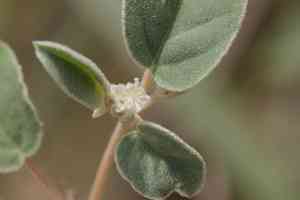
This robust, arid-resistant botanical specimen, recognized for its grouped seed capsules and silvery-green leaves, flourishes with judicious trimming. The most suitable period for pruning three-seed croton is in early spring, right before the emergence of fresh shoots. Concentrate on excising deceased or compromised stalks and any weak, elongated development to preserve its inherent form. Trimming stimulates denser growth and enhanced blooming. Always employ sanitized, keen implements to lessen harm and diminish the likelihood of ailments.
What Are the Benefits of Pruning Three-seed Croton?
What Are the Benefits of Pruning Three-seed Croton?
Three-seed croton benefits from pruning by growing more vigorously and maintaining its shape. This helps in enhancing air circulation, resisting pests and diseases, and promoting healthy growth.
What Is the Best Time for Pruning Three-seed Croton?
What Is the Best Time for Pruning Three-seed Croton?
Early spring is the best time to prune three-seed croton because it aligns with the plant's growth cycle, emerging from dormancy. Pruning during this period helps stimulate healthy new growth before the main growing season begins. This timing also minimizes the risk of disease and pest infestations, as the plant's wounds can heal quickly with the onset of vigorous growth. Additionally, pruning in early spring avoids interfering with the flowering or fruiting periods, ensuring that three-seed croton can complete its reproductive cycle without disruption.
What Tools Do I Need to Prune Three-seed Croton?
Hand Pruners
Ideal for small to medium branches. They provide clean cuts that help prevent disease and promote healthy regrowth.
Loppers
Used for thicker branches that hand pruners cannot handle. Their long handles provide extra leverage for cutting through tougher stems.
Pruning Saw
Suitable for large branches and woody stems. Ensures precise cuts on thicker, mature branches.
Gloves
Essential for protecting hands from thorns and rough edges of branches during pruning. Ensures a safer and more comfortable experience.
How to Prune Three-seed Croton
Inspect
Carefully inspect three-seed croton for any signs of diseased leaves, withered leaves, dead branches, or diseased branches. Pay close attention to areas that appear discolored, wilted, or have a mushy texture.
Tools
Use sterilized and sharp pruning shears or scissors to avoid spreading disease. Sanitize tools before each use to ensure cleanliness and prevent contamination.
Remove Diseased Leaves
Trim away all the diseased leaves first. Cut as close to the base of the leaf stem as possible to ensure complete removal and prevent the spread of pathogens.
Remove Withered Leaves
After dealing with diseased leaves, trim off any withered leaves. These leaves may still draw energy from three-seed croton without providing any benefits.
Remove Dead Diseased Branches
Carefully identify and cut off dead branches and diseased branches. Make clean cuts at the node or the base of the branch. Ensure to remove the entire affected area to maintain the health and vitality of three-seed croton.
Common Pruning Mistakes with Three-seed Croton
Improper Technique
Using blunt or dirty pruning tools can cause more harm than good, leading to tear and crush injuries on the plant.
Over-Pruning
Removing too much foliage at once can induce stress and weaken three-seed croton, making it more susceptible to disease.
Incorrect Cuts
Making cuts too close to the main stem or not at the right angle can damage the plant and impede proper healing.
Uniform Pruning
Pruning all stems to the same length can result in an unnatural shape and limit the plant's ability to produce new growth and blooms.
Common Pruning Tips for Three-seed Croton
Use the Right Tools
Always use sharp and clean pruning shears or scissors to make precise cuts and minimize injury to three-seed croton.
Prune Gradually
Itâs better to prune a little at a time rather than removing a large amount of foliage in one session to avoid stressing three-seed croton.
Make Correct Cuts
Cut just above a leaf node or bud to encourage new growth in the desired direction. Avoid cutting too close to the main stem.
Shape Naturally
Aim to maintain the plant's natural shape by selectively pruning branches to enhance airflow and light penetration.
Remove Dead or Diseased Wood
Always remove any dead or diseased branches first to prevent the spread of disease and encourage healthy growth.



