How to Prune Bush croton?
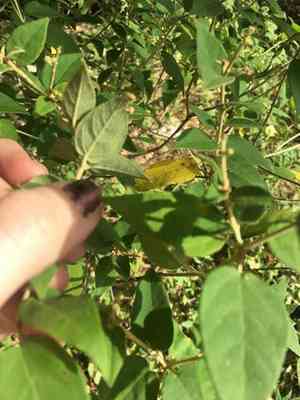
Bush croton is recognized for its abundant leaves and dense development. Trim in early spring to sculpt and manage its dimensions. Eliminate deceased or ailing branches to foster robust development. Choose thinning cuts instead of heading cuts to preserve its inherent shape and improve air movement. Trimming also stimulates thicker foliage and vivid leaf coloration. Verify that implements are sanitized to avert the spread of illness. Periodically inspect for insects after pruning.
What Are the Benefits of Pruning Bush Croton?
What Are the Benefits of Pruning Bush Croton?
Trimming bush croton promotes vigorous development by eliminating old, damaged, or diseased limbs, thereby improving its overall vitality. It also helps maintain its desired form, preventing it from becoming unruly or overgrown, which enhances both its appearance and air circulation.
What Is the Best Time for Pruning Bush Croton?
What Is the Best Time for Pruning Bush Croton?
The optimal time for pruning or trimming bush croton is during early spring, just before its new growth cycle commences. Pruning at this juncture encourages healthy development, minimizes disease risk, and fosters a more robust structure. Early spring typically precedes the flowering period, ensuring that pruning does not hinder the plantâs blooming and allows for ideal fruiting or flowering progression. By aligning pruning with this season, gardeners can preserve the plant's overall health and aesthetic appeal.
What Tools Do I Need to Prune Bush Croton?
Pruning Shears
Perfect for small, precise cuts required to shape bush croton and remove dead or unwanted branches. They offer control and clean cuts that encourage healthy growth.
Loppers
Useful for thicker branches too large for pruning shears. They provide the necessary leverage to cut through tough stems without harming the plant.
Pruning Saw
Essential for cutting through the thickest branches of bush croton. The saw ensures a clean cut, crucial for preventing infections and promoting healthy regrowth.
Bypass Pruners
Ideal for making precise cuts on live, green branches. The bypass action creates clean cuts, helping to minimize plant damage.
Gloves
Protect hands from potential scratches or irritants. Necessary for handling bush croton safely.
How to Prune Bush Croton
Inspect
Carefully examine bush croton for any visible signs of diseased leaves, withered leaves, dead branches, and diseased branches. This initial check helps pinpoint the specific areas needing attention.
Remove Diseased Leaves
Using sterilized pruning shears, remove all diseased leaves from bush croton by cutting them off at the base where they attach to the stem. Make clean cuts to prevent further spread of disease.
Trim Withered Leaves
Trim away any withered leaves by cutting them off close to the stem. Ensure that you do not leave small stubs, as they can attract pests and disease.
Remove Dead Branches
Cut off dead branches from bush croton by making clean, sharp cuts close to the main stem or branch junction. This will help maintain the plant's health and encourage new growth.
Handle Diseased Branches
Remove diseased branches by cutting several inches below the visible symptoms of disease to ensure all affected tissue is removed. Dispose of removed parts properly to prevent contamination.
Common Pruning Mistakes with Bush Croton
Over-pruning
Removing excessive foliage can weaken bush croton, making it more vulnerable to disease and hindering its growth.
Incorrect cutting technique
Using dull or unsuitable tools can result in jagged cuts, leading to poor healing and potential infection.
Pruning too close to the bud
Trimming too near a bud can damage it, which can affect the plant's ability to produce new growth.
Ignoring diseased or dead branches
Failing to remove diseased or dead branches can allow problems to spread, impacting the overall health of bush croton.
Pruning at the wrong time
Pruning during inappropriate times can cause shock to the plant, although specific seasonal advice is excluded here.
Common Pruning Tips for Bush Croton
Use sharp, clean tools
Ensure your pruners are sharp and sterilized to make clean cuts and avoid introducing diseases.
Cut at a 45-degree angle
Make your cuts at a 45-degree angle facing away from the bud to promote proper healing and water runoff.
Remove dead or diseased wood first
Prioritize cutting away any dead or diseased branches to improve air circulation and prevent the spread of disease.
Thin out crowded branches
Reducing crowded branches helps light penetrate and air circulate, stimulating healthy growth and reducing the risk of fungal infections.
Maintain the plant's natural shape
Aim to shape bush croton naturally, avoiding top-heavy or bottom-heavy imbalances, which can stress the plant.



