How to Propagate Bush croton?
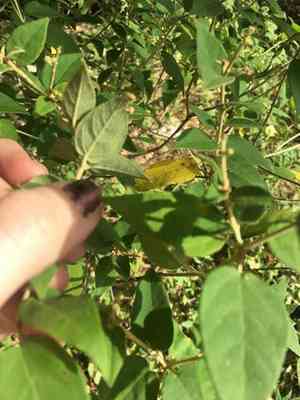
Bush croton, a species within the Croton genus, is a resilient shrub celebrated for its vivid leaves. Reproducing bush croton is efficiently accomplished using cuttings. To achieve optimal outcomes, utilize semi-hardwood cuttings and confirm their placement in a substrate that drains effectively. Sustain steady hydration and offer diffused illumination to foster root growth. Adhering to these guidelines enables cultivators to successfully multiply this striking botanical specimen.
Optimal Period for Bush Croton Propagation
Propagation Method
Cutting
Propagation Period
Spring,Summer
Tools for Bush Croton Propagation
Pruning Shears
Crucial for obtaining clean, precise cuttings from bush croton. Sharp shears minimize harm to the parent plant's tissues and cutting stems, fostering rapid healing and lowering infection risk.
Rooting Hormone
Essential for promoting root growth on bush croton cuttings. Rooting hormones can boost the success rate of cuttings by stimulating root development, vital for the propagation process.
Propagation Trays
Aid in organizing and safeguarding cuttings during the rooting phase. Trays with cell inserts help maintain proper spacing and drainage, preventing rot and encouraging healthy root development in bush croton.
Humidity Dome
Key for maintaining high humidity levels around bush croton cuttings. This tool helps prevent dehydration, allowing cuttings to focus energy on root production rather than water absorption.
Sterile Growing Medium
Offers a clean, pathogen-free environment for bush croton cuttings to develop roots. A blend of perlite and peat moss, for instance, provides excellent drainage and aeration.
Misting Bottle
Used to maintain consistent moisture levels around bush croton cuttings without oversaturating the growing medium. Misting ensures proper hydration, which is crucial for successful root initiation.
Heating Mat
Helps provide a stable temperature to the root zone, enhancing the rooting success of bush croton cuttings. Consistent warmth can promote faster and more vigorous root development.
Labeling Tags
Important for tracking different cuttings, especially when propagating multiple varieties or stages of bush croton. Clear labels help prevent confusion and ensure each cutting receives appropriate care.
How to Propagate Bush Croton?
Propagation Type
Moderately Difficult
Caring for Your Newly Propagated Bush Croton
Caring for Your Newly Propagated Bush Croton?
Once bush croton cuttings have established roots, transfer them to individual pots with a well-draining soil mix. Gradually acclimate them to normal room humidity by removing the plastic cover for increasing durations daily. Water sparingly, allowing the top inch of soil to dry between waterings. Position the plants in a spot with bright, indirect light, and fertilize monthly during the growing season with a balanced, water-soluble fertilizer. Regularly inspect for pests and address them promptly to ensure the healthy growth of the new plants.
Common Errors to Avoid When Propagating Bush Croton
Overwatering
Excessive moisture can lead to root rot and fungal diseases, impeding the plant's ability to establish new roots.
Inadequate Light
Insufficient light exposure can hinder growth and reduce the plant's overall vitality, making propagation difficult.
Improper Soil Mix
Using a soil mix that retains too much water can prevent adequate root aeration, leading to poor root development.
Skipping Sterilization
Failing to sterilize pruning tools can introduce pathogens, causing infections that can prevent successful propagation.
Improper Cutting Technique
Making cuts at the wrong angle or not using sharp tools can damage plant tissue, preventing effective root formation.
Tips For Propagating Bush Croton
Moderate Watering
Ensure the soil is moist but not waterlogged to prevent root rot while providing adequate hydration.
Bright, Indirect Light
Place in a location with ample bright but indirect sunlight to promote healthy growth without causing leaf burn.
Well-Draining Soil
Utilize a well-draining soil mix to prevent water retention and encourage robust root development.
Tool Sterilization
Disinfect pruning tools with alcohol or a bleach solution before use to prevent the spread of disease.
Clean, Sharp Cuts
Use sharp, sterilized tools to make clean cuts at a 45-degree angle to improve the chances of successful rooting.



