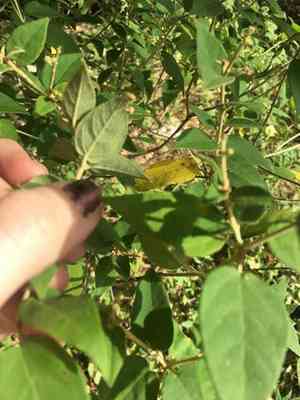
Bush croton (Croton fruticulosus)
Also known as: Croton bush, Croton tree
The bush croton is a robust shrub well-adapted to arid environments due to its exceptional drought resistance. Its survival features include deep root systems that tap into underground water and thick, leathery leaves that minimize water loss. This plant often has small, inconspicuous flowers and sturdy, woody stems that help it endure intense sunlight. Its compact growth form further aids in water conservation and protection against the harsh conditions of its environment.
In This Article
Attributes of Bush croton
Lifespan
Perennial
Plant Type
Shrub
Plant Height
30 cm to 91 cm
Spread
Up to 6 feet (1.8 meters)
Leaf Color
Green, yellow, orange, red
Flower Size
Small, less than 0.5 inches (1.25 cm)
Flower Color
Yellow
Images of Bush croton
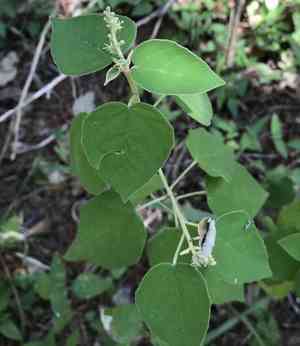
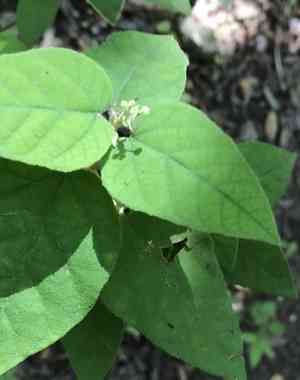
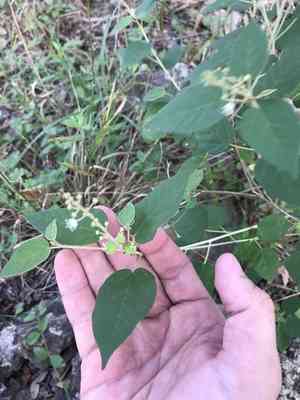
Quickly Identify Bush croton
1
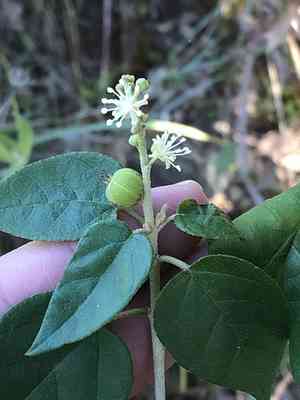
Identify Croton fruticulosus by its colorful leaves, which can be a mix of green, yellow, orange, and red. The leaves are typically elliptical or oval and have a leathery texture. The plant may also produce small, insignificant yellowish flowers.
Scientific Classification of Bush croton
Phylum
Vascular plants
Class
Dicotyledons
Order
Malpighiales
Family
Spurge
Genus
Rushfoils
Species
Bush croton
Planting and Growing of Bush croton
Care Difficulty
Moderate
Watering Schedule
Every 3 days
Sunlight Requirements
Partial sun
Sunshine Duration
4-8 hours
Ideal Temperature
65-75℉
Soil Type
Potting Mix, Peat Mix
Soil pH
6.5-7.5
Fertilizer Type
Balanced
Pruning Season
Spring, Summer
Pruning Area
Branches, Leaves
Pruning Frequency
2 times a year
Repotting Season
Spring
Pot Type
Plastic, Terracotta
 How to Water Bush croton?
The watering volume for Croton fruticulosus should be around 300 ml per session. This plant prefers well-drained soil, which allows for thorough watering without waterlogging. Ensure the water reaches the roots but does not leave the soil soggy, allowing the top inch of the soil to dry out between waterings.
What are the symptoms of an underwatered Bush croton?
›
What should I do if my Bush croton is not getting enough water?
›
What are the symptoms of an overwatered Bush croton?
›
How to save an overwatered Bush croton?
›
 What Are the Sunlight Requirements for Bush croton?
Partial sun ensures Croton fruticulosus remains vibrant. Balanced light intake reinforces stable growth and color maintenance, crucial for an appealing plant display.
What is the best lighting environment?
›
How do I achieve the best lighting conditions?
›
What benefits does proper lighting provide?
›
 What Is the Ideal Temperature Range for Bush croton?
The ideal temperature range for Croton fruticulosus is 65-75°F. This range provides conditions that mimic its native tropical environment, ensuring optimal growth and vibrant foliage. Maintaining within this range encourages photosynthesis and healthy physiological processes, preventing stress and fostering resilience to pests and diseases.
 What Soil is Best for Bush croton?
Ensure that the soil is well-draining to prevent waterlogging, which can lead to root rot. Proper drainage enhances root health and plant vitality, allowing Croton fruticulosus to thrive. Use soil enriched with organic matter to supply necessary nutrients. A nutrient-dense soil supports robust growth and enhances the plant’s natural coloration. The soil should retain enough moisture without becoming soggy. Maintaining a balanced moisture level keeps the plant hydrated and prevents stress.
 How to Fertilize Bush croton?
For Croton fruticulosus, the recommended fertilizer dosage is moderate. Employ a balanced liquid fertilizer, such as a 20-20-20 formula. Dilute it to half the strength suggested on the label to avoid overfeeding. For every feeding, use approximately 15-30 ml of diluted fertilizer per liter of water, ensuring it is evenly distributed across the soil surface.
 How to Prune Bush croton?
Begin by identifying any dead, diseased, or leggy branches that need removal. Look for branches that are crossing each other or disrupting the plant's shape. By focusing on these types of branches, you ensure the plant maintains good health and structure. Maintaining good airflow and light penetration is essential for vigorous growth. Always use sharp and clean pruning shears or scissors for cutting Croton fruticulosus. Dull tools can crush or tear the tissues, leaving your plant susceptible to disease. Sharp tools will make clean cuts that heal quickly, conducive to the lush look of the plant. Make your cuts just above a leaf node or new bud that faces outward. This encourages growth in a desirable direction and promotes a fuller appearance. Avoid cutting too far above the node, as this can lead to dieback, which may hinder the plant’s development.
More About Pruning Techniques→
 How to Propagate Bush croton plant?
1
To propagate Croton fruticulosus through cuttings, select a healthy stem that is 4-6 inches long. Cut just below a node using sharp pruning shears to ensure a clean cut. Remove any leaves from the lower part of the cutting to prevent rotting when planted.
2
Prepare a pot with a well-draining soil mix, ideally composed of equal parts peat, sand, and perlite. This mixture provides a balance of moisture retention and aeration, which is crucial for root development. Water the soil lightly to make it slightly damp before planting the cuttings.
3
Dip the cut end of the stem in rooting hormone powder and gently tap off any excess. Insert the cutting into the prepared soil, about 2 inches deep. Firm the soil around the base to ensure the cutting stands upright. It's recommended to plant multiple cuttings to increase the chances of successful propagation.
 How to Repot Bush croton plant?
1
Croton fruticulosus signals its need for repotting when the roots begin to circle around the bottom of the pot or push out through the drainage holes. If you notice the plant's growth slowing down substantially or the soil drying out very quickly, it's time to consider repotting. Spring and summer provide ideal conditions as the plant is in its growth phase, allowing it to adjust to new soil more efficiently.
2
Select a pot that is one or two sizes larger than the current one. Ensure it has drainage holes to prevent waterlogging, which could lead to root rot. Using a slightly larger pot gives the roots room to expand, promoting healthier growth. Avoid excessively large pots as they can retain too much moisture, posing risks to the plant's health.
3
Opt for a well-draining potting mix as Croton fruticulosus thrives in conditions where water can flow freely, preventing root rot. A commercial mix for houseplants with added perlite or sand works great. This blend provides stability while ensuring the necessary nutrient uptake and aeration for optimal root health and plant vigor.
Toxicity
Ingestion, Skin Contact
WARNING
The judgment on toxicity and danger is for reference only. We DO NOT GUARANTEE any accuracy of such judgment. Therefore, you SHALL NOT rely on such judgment. It is IMPORTANT TO SEEK PROFESSIONAL ADVICE in advance when necessary.
Learn More About Bush croton Diseases
Anthracnose
Bacterial Leaf Spot
Black Spot
Chemical Injury
Damping-off
Downy Mildew
Drought Stress
Fusarium Wilt
Gray Mold
Leaf Curl
Leaf Spot
Mosaic
Nutrient Deficiency
Nutrient Toxicity
Powdery Mildew
Root Rot
Root-knot Nematode
Rusts
Sooty Mold
Spider Mites
Temperature Stress
Thrips Damage
White Mold



