How to Prune Grassland croton?
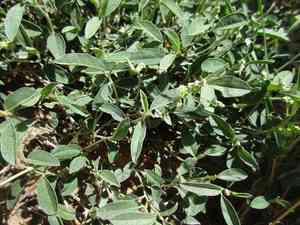
The grassland croton plant is recognized for its sturdy, dense development and silver-hued foliage. To achieve the best form and well-being, trim grassland croton in the initial part of spring prior to the emergence of new shoots. Eliminate any lifeless or infected limbs to enhance air circulation and deter the accumulation of pests. A gentle snip of sound branches fosters thicker leaves and a more condensed structure. Consistent trimming can also stimulate more abundant blooms and general vigor. Verify that all implements are sanitized to prevent the spread of illnesses.
What Are the Benefits of Pruning Grassland Croton?
What Are the Benefits of Pruning Grassland Croton?
Trimming grassland croton encourages vigorous development and maintains its form. It fosters robust growth, manages plant size, enhances appearance, and aids in pest and disease resistance. This practice ensures the plant stays strong and visually appealing.
What Is the Best Time for Pruning Grassland Croton?
What Is the Best Time for Pruning Grassland Croton?
Pruning or trimming grassland croton in early spring is ideal as this period coincides with the start of the plant's active growth phase. Pruning at this time allows grassland croton to recover quickly and stimulates new, healthy growth. Furthermore, it helps the plant retain its structural integrity and promotes a fuller look. Early spring pruning also prevents disruption to the plant's flowering or fruiting cycles, thus preserving its aesthetic and reproductive health.
What Tools Do I Need to Prune Grassland Croton?
Bypass Pruners
Perfect for making clean cuts on small stems and branches, ensuring minimal harm to grassland croton.
Loppers
Useful for cutting thicker branches of grassland croton that are too large for hand shears.
Pruning Saw
Crucial for removing the largest branches of grassland croton, providing accurate and clean cuts.
Anvil Pruners
Effective for cutting dead wood from grassland croton, as they crush rather than slice.
How to Prune Grassland Croton
Identification
Examine grassland croton thoroughly to pinpoint which sections require trimming: diseased foliage, withered leaves, dead branches, and infected branches.
Sanitization
Before beginning, sterilize your pruning tools with rubbing alcohol or a bleach solution to prevent disease transmission.
Removal of diseased leaves
Start by removing all diseased leaves. Make cuts at the base of the leaf stem, ensuring no infected tissue remains.
Removal of withered leaves
Trim off all withered leaves by cutting them close to the main stem or branch to maintain a neat appearance and encourage healthy growth.
Removal of dead or diseased branches
Cut back dead and diseased branches to the nearest healthy tissue or back to the main trunk. Ensure cuts are clean and made at a slight angle to facilitate healing.
Common Pruning Mistakes with Grassland Croton
Over-pruning
Removing too much of the plant can stress grassland croton, hindering its growth and potentially leading to disease.
Wrong tool usage
Using dull or unsuitable tools can damage plant tissues, increasing the risk of infections.
Improper cut angles
Incorrect angles can lead to water accumulation on the cuts, promoting rot and disease.
Pruning at the wrong places
Cutting too close to the main stem or too far from a bud can impede healing and vigorous new growth.
Neglecting sanitation
Failing to clean tools between cuts and plants can spread pests and diseases.
Common Pruning Tips for Grassland Croton
Use sharp, clean tools
Always use sharp, clean pruning shears to make precise cuts and minimize tissue damage.
Make angled cuts
Cut at a 45-degree angle to ensure water runs off and does not pool on the cut surface.
Follow natural growth patterns
Prune in a way that complements grassland croton's natural growth habit to maintain its natural shape and promote healthy development.
Remove diseased or damaged parts first
Start by cutting away any diseased, dead, or damaged stems to prevent the spread of diseases.
Thin out crowded branches
Remove some inner branches to improve air circulation and light penetration, discouraging mold and mildew development.
Use gentle cuts
Make cuts just above a leaf node without leaving a long stub, facilitating quicker healing and more vigorous growth.



