How to Propagate Grassland croton?
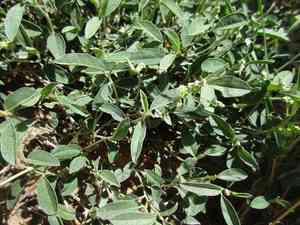
Grassland croton belongs to the Euphorbiaceae botanical group. This resilient, arid-adapted flora flourishes in permeable soil and ample sunlight. To propagate, it is recommended to utilize robust, semi-lignified cuttings. Confirm that the cuttings possess multiple nodes and insert them into a damp, root-inducing substrate to encourage root formation. Consistent irrigation and limited shade can hasten its development. Reliable botanical references confirm these proven techniques yield successful outcomes for cultivators.
What Is the Best Time To Propagate Grassland Croton?
Propagation Type
Cutting
Propagation Season
Spring,Summer
What Tools Are Used in Grassland Croton Propagation?
Sharp pruning shears
Utilized for obtaining cuttings from grassland croton. A precise cut minimizes plant harm and lowers infection risk.
Rooting hormone
Aids in stimulating root development on grassland croton cuttings. This boosts the likelihood of successful propagation and robust root formation.
Planting pots
Receptacles to hold grassland croton cuttings during their rooting phase. Offers a controlled environment for growth.
Sterile potting mix
Ensures that grassland croton cuttings have a pathogen-free medium for rooting, fostering healthy growth.
Humidity dome
Maintains a high moisture environment for grassland croton cuttings, vital for preventing desiccation and encouraging root growth.
Spray bottle
Used for misting grassland croton cuttings to maintain appropriate moisture levels without saturating the soil.
Heating mat
Provides warmth from below, which can be crucial for grassland croton root formation, especially in cooler climates.
Labels
Important for tracking grassland croton cuttings and their progress.
How to Propagate Grassland Croton?
Propagation Type
Moderately Difficult
How to Care for Your Newly Propagated Grassland Croton?
How to Care for Your Newly Propagated Grassland Croton?
Once roots are established, typically within several weeks, gradually introduce grassland croton to standard room conditions by removing the cover for increasing durations daily. Keep the soil consistently moist but not waterlogged. Ensure grassland croton receives bright, indirect light and fertilize monthly with a balanced, water-soluble fertilizer.
Common Mistakes to Avoid When Propagating Grassland Croton
Overwatering
Excessive watering can cause root rot; grassland croton prefers well-drained soil and is sensitive to too much moisture.
Incorrect Soil Choice
Using dense or clay-heavy soil can hinder root growth and drainage; grassland croton thrives best in lighter, sandy substrates.
Lack of Sunlight
Placing grassland croton in insufficient light conditions can impede its development; it requires ample sunlight for effective propagation.
Ignoring Pests
Neglecting to check for pests can lead to infestations that harm young plants; grassland croton can be particularly vulnerable to certain insects.
Poor Cuttings Technique
Improperly taking cuttings may result in poor rooting; it's essential to cut just below a node and use a sterilized blade.
Tips For Propagating Grassland Croton
Use Sandy Soil
Ensure the soil mixture is sandy and drains well to mimic grassland croton's natural environment and encourage healthy root development.
Adequate Watering
Water sparingly and allow the soil to dry between waterings to prevent root rot and other moisture-related issues.
Sufficient Sunlight
Position cuttings in a spot where they receive plenty of indirect sunlight to promote photosynthesis and growth.
Sterilize Tools
Always use disinfected tools when taking cuttings to prevent the introduction of pathogens that can harm grassland croton.
Monitor for Pests
Regularly inspect for and manage pests to safeguard young plants; early intervention can prevent severe damage.



