How to Prune Cortez's croton?
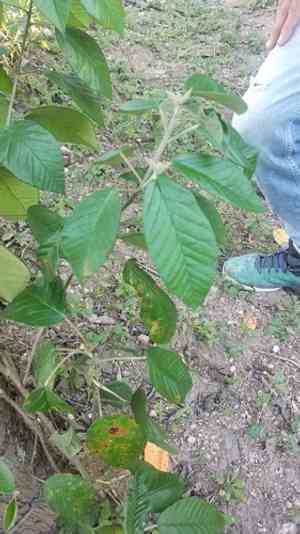
Cortez's croton is recognized for its vivid leaves and dense development. Trim in early spring to preserve its form and stimulate fresh development. Essential methods involve eliminating deceased or compromised branches and reducing crowded sections to boost air movement. This will elevate the plant's general well-being and aesthetic. Trimming additionally aids in controlling its dimensions and averting a sparse appearance. Verify that instruments are disinfected to prevent the spread of illness.
What Are the Benefits of Pruning Cortez's Croton?
What Are the Benefits of Pruning Cortez's Croton?
Trimming cortez's croton encourages robust development, maintains its form, lessens disease and pest issues, and improves its overall look. Regular cutting helps keep an ideal size and shape, fostering healthier, stronger growth.
What Is the Best Time for Pruning Cortez's Croton?
What Is the Best Time for Pruning Cortez's Croton?
Pruning cortez's croton in early spring is considered ideal as it readies the plant for the upcoming growing season. At this time, cortez's croton is typically in its dormant phase, minimizing stress and potential harm. Early spring pruning also stimulates healthy new growth, enhances the plant's shape, and promotes a more abundant flowering or fruiting period later in the year. Additionally, pruning during this period can help prevent the spread of diseases and pests, which are less active in cooler weather.
What Tools Do I Need to Prune Cortez's Croton?
Bypass Pruners
Perfect for making clean cuts on living branches, ensuring minimal harm and quick recovery, which is vital for cortez's croton's well-being.
Loppers
Suitable for cutting thicker branches that are too large for bypass pruners, helping manage cortez's croton's dense growth effectively.
Pruning Saw
Necessary for cutting through larger branches without causing tearing or damage, especially for mature cortez's croton plants.
Hedge Shears
Useful for maintaining the overall shape and encouraging denser growth by trimming multiple branches simultaneously.
How to Prune Cortez's Croton
Inspect
Examine cortez's croton for indications of disease, damage, or decay. Pinpoint the areas needing trimming, specifically focusing on diseased leaves, withered leaves, dead branches, and diseased branches.
Tool Prep
Clean and sanitize pruning tools to prevent the spread of disease among plants. Use sharp pruners or loppers to make clean cuts.
Remove Diseased Leaves
Carefully cut away any diseased leaves from cortez's croton, ensuring to trim back to healthy tissue to prevent further infection.
Remove Withered Leaves
Trim withered leaves close to their base using sterilized tools, ensuring that you do not damage healthy parts of cortez's croton during this process.
Remove Dead and Diseased Branches
Cut off dead and diseased branches from cortez's croton at their base, performing the cut at an angle just above a healthy node or branch. Ensure the cuts are clean to promote healthy new growth.
Common Pruning Mistakes with Cortez's Croton
Over-Pruning
Removing too much foliage can severely stress cortez's croton, inhibiting its growth and making it susceptible to diseases.
Improper Tools
Using dull or dirty tools can cause jagged cuts, which can lead to infection and poor healing.
Pruning at the Wrong Time
Pruning during periods of active growth can shock the plant, resulting in reduced health and vigor.
Incorrect Cutting Technique
Making cuts too close to the main stem can damage vital plant tissue, while cuts too far can leave unsightly stubs.
Common Pruning Tips for Cortez's Croton
Use Clean, Sharp Tools
Always use well-maintained pruning shears to ensure clean cuts and reduce the risk of plant diseases.
Focus on Dead or Diseased Wood
Prioritize the removal of dead or diseased branches to improve air circulation and overall plant health.
Monitor Plant Health
Regularly check for signs of pests or disease and address these issues before pruning to prevent further damage.
Be Conservative
Trim back small amounts at a time, focusing on errant or excessively long branches to maintain the plantâs natural shape.
Proper Cutting Angle
Make cuts at a 45-degree angle, just above a leaf node or bud, to promote proper healing and new growth.



