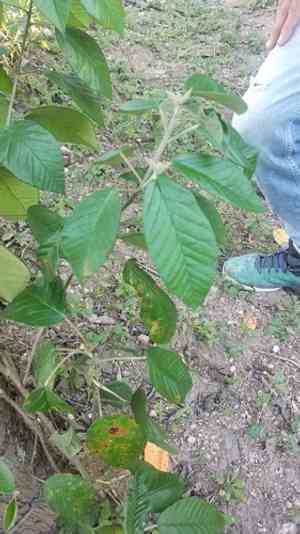
Cortez's croton (Croton cortesianus)
Also known as: None
The Tradescantia zebrina, commonly referred to as the Wandering Jew, is recognized for its stunning variegated leaves displaying a mix of green, purple, and silver hues. These glossy leaves can shine when exposed to sunlight, enhancing their visual appeal. Adapted to tropical environments, this plant flourishes in well-drained soil and is often seen thriving on rocky slopes, where it shows impressive resilience to dry conditions.
In This Article
Attributes of Cortez's croton
Lifespan
Perennial
Plant Type
Shrub
Plant Height
Up to 3 meters
Spread
Approximately 2 meters
Leaf Color
Dark green
Flower Size
Less than 0.5 cm
Flower Color
Greenish-yellow
Images of Cortez's croton
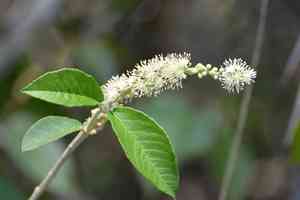
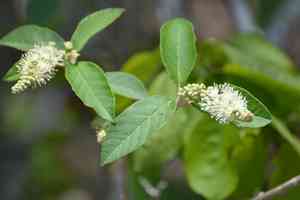
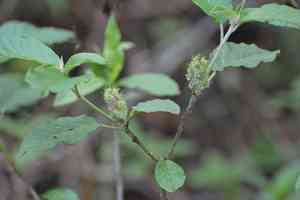
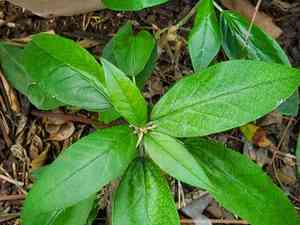
Quickly Identify Cortez's croton
1
Can be identified by its broad leaves, typically dark green, and small greenish-yellow flowers.
Scientific Classification of Cortez's croton
Phylum
Vascular plants
Class
Dicotyledons
Order
Malpighiales
Family
Spurge
Genus
Rushfoils
Species
Cortez's croton
Planting and Growing of Cortez's croton
Care Difficulty
Moderate
Watering Schedule
Every 3 days
Sunlight Requirements
Full sun
Sunshine Duration
4-8 hours
Ideal Temperature
65-80℉
Soil Type
Potting Mix, Peat Mix
Soil pH
6.5-7.5
Fertilizer Type
Balanced
Pruning Season
Spring, Summer
Pruning Area
Branches, Leaves
Pruning Frequency
Once a year
Repotting Season
Spring
Pot Type
Plastic, Ceramic
 How to Water Cortez's croton?
When watering Croton cortesianus, make sure to provide about 250 milliliters each time. The goal is to keep the soil consistently moist without being overly wet. It's important that the water reaches the root zone, ensuring the base of the plant is hydrated while avoiding excessive water retention.
What are the symptoms of an underwatered Cortez's croton?
›
What should I do if my Cortez's croton is not getting enough water?
›
What are the symptoms of an overwatered Cortez's croton?
›
How to save an overwatered Cortez's croton?
›
 What Are the Sunlight Requirements for Cortez's croton?
Croton cortesianus flourishes in full sun to partial sun, as this range ensures it receives the perfect balance of intensity and duration. Access to optimal light accelerates growth and intensifies leaf color vibrancy.
Question 1: What is the ideal light intensity for Croton cortesianus?
›
Question 2: How can I achieve ideal lighting conditions indoors?
›
Question 3: What are the benefits of providing ideal light conditions?
›
 What Is the Ideal Temperature Range for Cortez's croton?
The ideal temperature range for growing Croton cortesianus is between 65°F to 80°F. This range ensures that the plant maintains its vibrant foliage and optimal growth conditions. Consistent temperatures within this range should be maintained to prevent stress and promote healthy development.
 What Soil is Best for Cortez's croton?
Croton cortesianus thrives in soil that retains moisture yet drains well, ensuring roots aren't waterlogged. This balance prevents root rot and provides the plant with consistent hydration, promoting lush, vibrant foliage. A nutrient-rich composition is crucial for Croton cortesianus, supplying the necessary minerals and elements that support its growth and vitality. Nutrient-deficient soils result in stunted growth and poor leaf coloration. The soil must be well-aerated to allow oxygen to reach the roots, promoting strong root development and overall plant health. Compact soil can suffocate roots, leading to poor growth and susceptibility to diseases.
 How to Fertilize Cortez's croton?
For Croton cortesianus, a light application of fertilizer is recommended. Use liquid fertilizer at half the strength recommended by the manufacturer. For slow-release granules, follow the package guidelines for indoor plants, but err on the side of less to prevent burning.
 How to Prune Cortez's croton?
Begin by examining your plant for any leaves that appear dead or damaged. These should be removed first, as they're not only unsightly but can also sap the plant's energy. Using your shears, focus on cutting back overgrown branches. Trim just above a leaf node or where the leaf meets the stem to promote fuller growth. To maintain a desirable shape, consider how the croton will fill out after pruning. Keep a consistent shape by cutting selectively, focusing on symmetrically spaced cuts.
More About Pruning Techniques→
 How to Propagate Cortez's croton plant?
1
Choose healthy, disease-free stems that are semi-hardwood and have multiple leaf nodes, as these are more likely to root successfully.
2
Remove the lower leaves from the cuttings to expose the leaf nodes, and dip the cut end in rooting hormone to promote root formation.
3
Place the prepared cuttings into well-draining potting mix, ensuring that at least one leaf node is buried, and water them thoroughly.
 How to Repot Cortez's croton plant?
1
Repotting Croton cortesianus should be done when the roots begin to outgrow the pot, visible through drainage holes, or if the plant appears stressed or growth slows. Spring and early summer are ideal seasons for repotting, offering optimal growing conditions.
2
Choose a pot that's 1-2 inches larger in diameter than the current one. Ensure it has drainage holes to prevent waterlogging, which can lead to root rot. A slightly larger pot encourages healthy root expansion without overwhelming the plant with excess soil.
3
Opt for a well-draining potting mix with a balance of peat, pine bark, and perlite. This composition provides adequate drainage and aeration, preventing water stagnation while retaining necessary moisture, promoting healthy growth and preventing rot.
Toxicity
Ingestion, Skin Contact
WARNING
The judgment on toxicity and danger is for reference only. We DO NOT GUARANTEE any accuracy of such judgment. Therefore, you SHALL NOT rely on such judgment. It is IMPORTANT TO SEEK PROFESSIONAL ADVICE in advance when necessary.
Learn More About Cortez's croton Diseases
Anthracnose
Bacterial Leaf Spot
Bacterial Soft Rot
Bacterial Wilt
Black Spot
Chemical Injury
Crown Gall
Damping-off
Downy Mildew
Drought Stress
Fusarium Wilt
Gray Mold
Leaf Curl
Leaf Spot
Mosaic
Nutrient Deficiency
Nutrient Toxicity
Powdery Mildew
Root Rot
Root-knot Nematode
Rusts
Sooty Mold
Spider Mites
Temperature Stress
Thrips Damage
White Mold



