How to Propagate Cortez's croton?
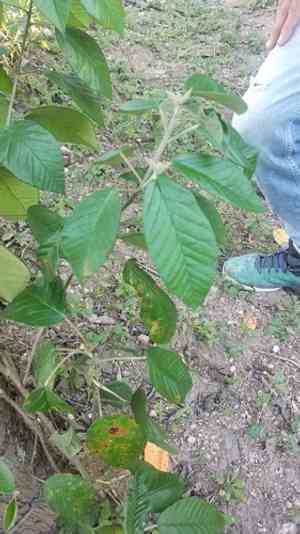
Distinguished by its vivid leaves, cortez's croton flourishes in soil that drains effectively. For propagation via cuttings, select semi-hardened segments to achieve the best results. Maintain steady hydration, but avoid saturating the growing medium. A rooting stimulant can improve the effectiveness of root development.
Optimal Period for Propagating Cortez's Croton
Propagation Type
Cutting
Propagation Season
Spring,Summer
Tools Required for Cortez's Croton Propagation
Pruning Shears
Sharp, clean pruning shears are essential for taking healthy cuttings from cortez's croton. They ensure clean, precise cuts, minimizing harm to the parent plant and lowering infection risk.
Rooting Hormone
Rooting hormone in powder or gel form aids in stimulating root growth in cortez's croton cuttings. This improves the likelihood of successful propagation by encouraging quicker, stronger root development.
Propagation Trays
Propagation trays offer a controlled setting for rooting cortez's croton cuttings. They help maintain moisture levels and provide sufficient space for root development, which is crucial for the cuttings' success.
Misting Bottle
A misting bottle ensures cortez's croton cuttings receive consistent humidity without becoming waterlogged. Appropriate moisture levels are vital for preventing dehydration and encouraging root formation.
Heat Mat
Placing a heat mat beneath propagation trays can provide steady, gentle warmth to cortez's croton cuttings. This promotes root growth and helps maintain an ideal temperature for propagation.
Well-Draining Potting Mix
A well-draining potting mix, ideally formulated for propagation, provides aeration and moisture control for cortez's croton cuttings. It helps prevent root rot and supports healthy root establishment.
Sterilizing Solution
A sterilizing solution is used to sanitize tools and propagation equipment. Ensuring cleanliness helps prevent the spread of diseases and infections to cortez's croton cuttings.
How to Propagate Cortez's Croton?
Propagation Type
Moderately Difficult
Caring for Your Newly Propagated Cortez's Croton
Caring for Your Newly Propagated Cortez's Croton
Once roots are established and new growth appears, gradually introduce cortez's croton to its normal environment, slowly reducing humidity. Replant into a larger pot with similar well-draining soil. Provide bright, indirect light and maintain consistent soil moisture. Fertilize every four weeks during the growing season with a balanced, water-soluble fertilizer to promote healthy growth.
Common Errors to Avoid When Propagating Cortez's Croton
Overwatering
Excessive watering can lead to root rot, which hinders the plant's ability to absorb nutrients and ultimately kills the propagating cuttings.
Inadequate Lighting
Insufficient light can result in weak and leggy growth, making it difficult for cuttings to establish strong roots and thrive.
Wrong Soil Type
Using a soil mix that retains too much water can cause root suffocation and fungal infections.
Extreme Temperatures
Exposing cuttings to overly hot or cold conditions can stress the plant, delaying root formation and increasing chances of failure.
Planting Too Deep
Planting cuttings too deeply can cause stem rot and impede proper root development.
Using Dull Tools
Using blunt cutting tools can damage plant tissues, making them more susceptible to diseases.
Tips For Propagating Cortez's Croton
Use Well-Draining Soil
A soil mix with good drainage prevents water accumulation around the roots, reducing the risk of root rot.
Provide Bright, Indirect Light
Cortez's croton thrives best with bright, indirect light, helping cuttings to produce healthy and strong roots.
Maintain Moderate Moisture
Keep the soil evenly moist but not waterlogged to encourage root development without causing rot.
Optimal Temperature
Ensure a stable temperature range between 70-75°F (21-24°C) to promote healthy root growth.
Use Sharp, Sterilized Tools
Cutting with sharp and sterilized tools minimizes tissue damage and reduces the risk of introducing pathogens.
Use Rooting Hormone
Applying rooting hormone to the cut ends can enhance root development and increase the chances of successful propagation.



