How to Prune Chipilín?
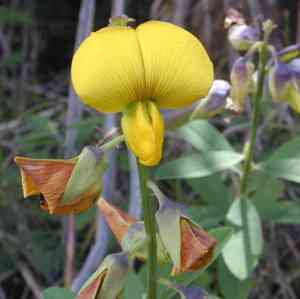
A perennial bush prized for its edible foliage and decorative appeal, chipilín flourishes with judicious trimming. Remove any deceased or compromised branches to preserve its well-being. Shape the plant in late winter or early spring, precisely before the emergence of new shoots. Deliberate reduction encourages the generation of leaves, which is beneficial for leafy greens. Limit substantial cuts to prevent undue strain. Consistent clipping fosters denser development and boosts air circulation, thereby deterring ailments and augmenting harvest.
What Are the Benefits of Pruning ChipilÃn?
What Are the Benefits of Pruning ChipilÃn?
Trimming chipilÃn encourages robust development by eliminating congested or lifeless branches, ensuring energy is directed to healthy shoots. Regular shaping of chipilÃn maintains its structure, enhances its visual appeal, and prevents it from becoming overgrown.
What Is the Best Time for Pruning ChipilÃn?
What Is the Best Time for Pruning ChipilÃn?
Pruning chipilÃn in late winter and early spring is beneficial as the plant enters an active growth phase shortly thereafter. This timing allows chipilÃn to recover quickly from trimming, as the new growth period aids the healing process and the development of fresh shoots. Furthermore, the reduced risk of disease transmission and decreased plant stress promote improved health and vitality. Pruning before the spring growth spurt helps shape chipilÃn, encourages denser growth, and permits the removal of any dead or damaged branches that may have occurred during the dormant winter season. Avoiding pruning during flowering or fruiting times ensures that the plant's reproductive capacity is not hindered, thus aligning with its natural growth cycle.
What Tools Do I Need to Prune ChipilÃn?
Bypass Pruners
Perfect for making precise cuts on the thinner stems of chipilÃn, which aids in fostering healthy growth and preventing illness.
Garden Shears
Useful for trimming larger sections of the plant to preserve its form and remove any unproductive or excessively grown foliage.
Pruning Saw
Crucial for cutting through thicker branches that bypass pruners or shears cannot manage, ensuring clean cuts without harming the plant.
Gloves
To safeguard your hands from thorns or rough stems when handling chipilÃn.
How to Prune ChipilÃn
Clean Tools
Before beginning the pruning process, thoroughly clean and sanitize all pruning tools to prevent the spread of disease to chipilÃn.
Identify
Examine chipilÃn closely to pinpoint dead or diseased branches. Look for any indications of discoloration, wilting, or damage.
Cut Diseased
Carefully remove diseased branches from chipilÃn by cutting them back to healthy wood, well below any discolored area. Make cuts at a 45-degree angle to encourage healing and prevent water accumulation.
Cut Dead
Trim dead branches from chipilÃn by cutting at the point where they meet healthy wood. Ensure the cuts are clean and avoid tearing the bark to facilitate rapid recovery.
Cleanup
Dispose of all removed dead and diseased material away from chipilÃn to prevent re-infection or pests. Clean the tools again after completing the pruning process.
Common Pruning Mistakes with ChipilÃn
Improper Technique
Using dull or unclean pruning tools can harm chipilÃn's stems, leading to infection or disease. Always use sharp, clean pruning shears.
Overpruning
Removing too much foliage at once can stress chipilÃn, weakening the plant's overall vitality and reducing its ability to photosynthesize.
Neglecting Dead Material
Failing to remove dead or dying leaves and stems can impede chipilÃn's growth and make the plant more vulnerable to pests and diseases.
Ignoring Growth Pattern
ChipilÃn has a natural growth habit that should be considered when pruning. Cutting without understanding its growth can lead to a less aesthetically pleasing shape and reduced productivity.
Uneven Pruning
Pruning chipilÃn unevenly can result in a lopsided appearance and may negatively impact the plant's balance and ability to thrive.
Common Pruning Tips for ChipilÃn
Use The Right Tools
Employ sharp, clean pruners to make precise cuts that will heal quickly, avoiding potential entry points for pests or diseases.
Prune For Health
Focus on removing only the dead, diseased, or damaged branches to maintain chipilÃn's health and vigor.
Encourage Air Flow
Thin out dense areas to improve air circulation, which can reduce the likelihood of fungal infections in chipilÃn.
Maintain Shape
Lightly shape chipilÃn during pruning to promote a pleasing form while being mindful of its natural growth habit.
Incremental Pruning
Gradually prune chipilÃn over time rather than all at once to prevent stress, encouraging a more robust and healthy plant.



