How to Propagate Chipilín?
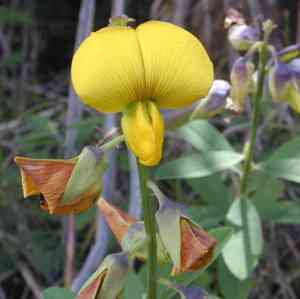
Originating in Central America, chipilín is a perennial bush valued for its palatable foliage, a fundamental ingredient in indigenous cooking. Established methods for its reproduction primarily involve cuttings, which generally yield significant success. Individuals aiming to grow chipilín ought to choose robust stems during periods of vigorous development. Make a cut below a joint, ensuring the segment contains multiple leaf nodes. Subsequently, embed these segments in soil that drains effectively, preserving steady dampness to foster root formation. Diligent consideration must be given to supplying sufficient warmth, as chipilín flourishes in a mild climate.
Optimal Time for ChipilÃn Propagation?
Propagation Method
Cutting
Propagation Period
Autumn,Winter
Tools for ChipilÃn Propagation?
Sharp pruning shears
Crucial for obtaining clean, precise cuttings from chipilÃn. Sharp blades prevent stem damage, encouraging healthier root development and reducing infection risk.
Rooting hormone
This chemical compound promotes quicker and more consistent root formation in chipilÃn cuttings. Applying a small amount to the cut stem end can greatly improve propagation success.
Sterilized pots
Used for planting cuttings. Sterilization prevents pathogen introduction that could harm cuttings before root establishment. Fresh, sterile potting medium is also vital.
Humidity dome
Placed over pots with cuttings to maintain high humidity and adequate environmental moisture. This is especially beneficial for chipilÃn, which needs a stable, moist setting for early root development.
Heating mat
This device helps maintain an ideal soil temperature, which can accelerate root growth in chipilÃn cuttings. Consistent warmth is particularly important for temperature-sensitive propagation.
How to Propagate ChipilÃn?
Propagation Type
Moderately Difficult
Caring for Newly Propagated ChipilÃn?
Caring for Newly Propagated ChipilÃn?
Once roots form, gradually introduce young chipilÃn plants to less humid conditions before moving them to their permanent spot. Ensure the planting area has fertile, well-draining soil and receives partial to full sun. Consistent watering is essential, especially during dry spells. Prune regularly to encourage bushiness and remove weak or dead branches for plant health and vigor.
Common Errors to Avoid When Propagating ChipilÃn
Overwatering
Excessive moisture can lead to root rot and fungal issues, which are harmful to chipilÃn. This plant thrives in well-drained soil, and overwatering impedes natural growth, potentially killing young plants.
Using non-sterile tools
Propagating with uncleaned tools can spread diseases to chipilÃn. This contamination can hinder growth and introduce pathogens that are difficult to control once they affect the plant.
Ignoring light requirements
Failing to provide chipilÃn with adequate light during propagation can result in weak, leggy seedlings. This error impacts the plant's ability to photosynthesize effectively, which is crucial for its growth and development.
Tips For Propagating ChipilÃn
Soil preparation
Ensure the soil is loose and drains well. Incorporate organic matter to encourage healthy root growth. This condition supports root aeration and drainage, vital for chipilÃn's successful establishment.
Regular monitoring
Closely observe soil moisture levels and the overall health of chipilÃn. Adjust watering schedules based on soil dryness to prevent overwatering and ensure the plant has sufficient moisture for growth.
Controlled light exposure
Provide chipilÃn with bright, indirect sunlight. Proper light exposure ensures strong and healthy growth, which is crucial during the early stages of propagation.



