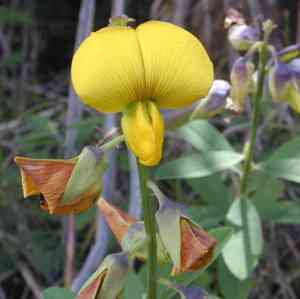
Chipilín (Crotalaria longirostrata)
Also known as: Chepil
Nasturtium, known for its vivid flowers and edible leaves, is a favorite in South American gardens. However, it is considered invasive in Hawaii and the continental United States. Always consult a healthcare professional before consuming unfamiliar plants.
In This Article
Attributes of Chipilín
Lifespan
Perennial
Plant Type
Tree, Shrub
Plant Height
1.5 m
Spread
0.5 to 1 meter
Leaf Color
Green
Flower Size
1 to 2 centimeters
Flower Color
Yellow
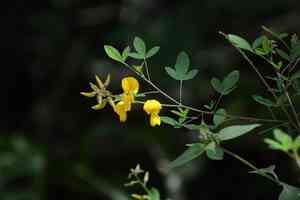
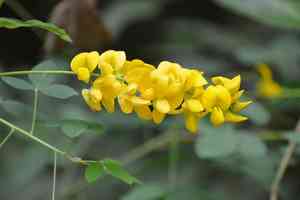
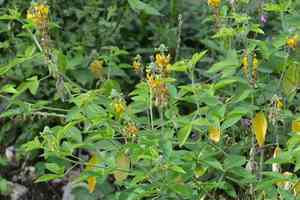
Images of Chipilín
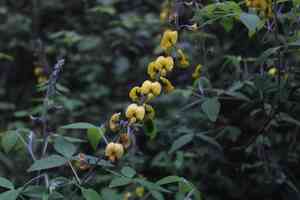
Quickly Identify Chipilín
1
Crotalaria longirostrata can be identified by its long, slender stems and compound leaves with small, oval leaflets. It produces yellow flowers and distinctive seed pods that make a rattling sound when shaken.
Scientific Classification of Chipilín
Phylum
Vascular plants
Class
Dicotyledons
Order
Fabales
Family
Legume
Genus
longbeak rattlebox
Species
Chipilín
Planting and Growing of Chipilín
Care Difficulty
Easy
Watering Schedule
Every 4 days
Sunlight Requirements
Full sun
Sunshine Duration
6-12 hours
Ideal Temperature
68-77℉
Soil Type
Potting Mix, Peat Mix
Soil pH
6.5-7.5
Fertilizer Type
Balanced
Pruning Season
Spring, Summer
Pruning Area
Branches, Leaves
Pruning Frequency
2 times a year
Repotting Season
Spring
Pot Type
Plastic, Ceramic
 How to Water Chipilín?
For Crotalaria longirostrata, each watering session should provide approximately 250 milliliters. Water until the soil feels evenly moist, ensuring the top layer absorbs sufficient moisture but avoid making it soggy; optimum conditions simulate light rainfall.
What are the symptoms of an underwatered Chipilín?
›
What should I do if my Chipilín is not getting enough water?
›
What are the symptoms of an overwatered Chipilín?
›
How to save an overwatered Chipilín?
›
 What Are the Sunlight Requirements for Chipilín?
Crotalaria longirostrata ideally thrives in areas of full to partial sunlight exposure. An environment offering 6 to 8 hours of sunlight can foster vibrant growth, encourage flowering, and maintain plant health.
What are the ideal light conditions for Crotalaria longirostrata?
›
How can I achieve these lighting conditions?
›
What is the benefit of ensuring ideal light conditions?
›
 What Is the Ideal Temperature Range for Chipilín?
The ideal temperature range for cultivating Crotalaria longirostrata is between 68°F and 77°F. Within this range, the plant is more likely to thrive, producing healthy foliage and flowers. These temperatures mimic its native tropical environment, encouraging optimal growth and development.
 What Soil is Best for Chipilín?
Crotalaria longirostrata thrives in nutrient-rich soils which provide essential minerals and nutrients that support lush growth and vibrant foliage. Regular enrichment or natural fertility are keys to optimal health. It requires well-draining soil to prevent waterlogging. Adequate drainage helps maintain healthy roots by ensuring they are not sitting in stagnant water, reducing root rot risk. Proper pH levels ranging from 6.5 to 7.5 create an ideal environment for nutrient uptake, enabling better plant growth and development by ensuring nutrients are readily available.
 How to Fertilize Chipilín?
For Crotalaria longirostrata, use a balanced liquid fertilizer diluted to half strength. Apply about 1-2 tablespoons with a watering can for young plants, and up to 3 tablespoons for mature plants during the growing season.
 How to Prune Chipilín?
Pruning Crotalaria longirostrata is essential for maintaining its structure and promoting new growth. Begin by identifying diseased or dead branches and cut them at their base. This not only ensures plant health but also allows sunlight and air to penetrate, aiding Photosynthesis and deterring pests. Equipped with sharp, sterilized pruning shears, start from the base and move upwards, trimming back overgrown sections to maintain shape. Ensure cuts are clean to prevent disease and always prune back to a healthy bud or node to encourage future growth.
More About Pruning Techniques→
 How to Propagate Chipilín plant?
1
Start by filling a seed tray with a mix of potting soil and compost. Ensure the mixture is moist but not waterlogged. Gently firm the soil to create an even surface for sowing seeds.
2
Sprinkle the seeds evenly over the prepared seedbed. Cover them lightly with a thin layer of the soil mixture. Do not bury the seeds too deep as they require light to germinate.
3
Select a healthy, non-flowering stem from the parent plant. Using sharp pruning shears, make a clean cut below a node. Cuttings should be around 4-6 inches long for optimal rooting.
 How to Repot Chipilín plant?
1
Crotalaria longirostrata should be repotted when you notice it becomes root-bound, meaning the roots are growing in circles around the inside of the pot. Another signal is slow growth or if you see roots emerging from drainage holes. Ideally, repot in the spring or summer to ensure the plant has enough time during its growth period to adjust.
2
When choosing a pot for Crotalaria longirostrata, opt for one that is only slightly larger than the current pot to prevent overwatering issues. The pot should have adequate drainage holes to prevent root rot. Materials like terracotta are excellent because they allow for breathability, aiding in moisture control and keeping roots healthy.
3
Select a well-draining, sandy soil mix for this plant. Such soil allows efficient water filtration and prevents waterlogging, crucial for root health. A mix that includes sand or perlite can help with ensuring the roots have ample aeration.
Toxicity
Ingestion
WARNING
The judgment on toxicity and danger is for reference only. We DO NOT GUARANTEE any accuracy of such judgment. Therefore, you SHALL NOT rely on such judgment. It is IMPORTANT TO SEEK PROFESSIONAL ADVICE in advance when necessary.
Learn More About Chipilín Diseases
Anthracnose
Bacterial Leaf Spot
Bacterial Wilt
Cyst Nematode
Damping-off
Downy Mildew
Drought Stress
Fusarium Wilt
Gray Mold
Leaf Curl
Leaf Spot
Mosaic
Nutrient Deficiency
Nutrient Toxicity
Powdery Mildew
Root Rot
Root-knot Nematode
Rusts
Sooty Mold
Spider Mites
Temperature Stress
Thrips Damage
White Mold
Chemical Injury



