How to Prune Maidenberry?
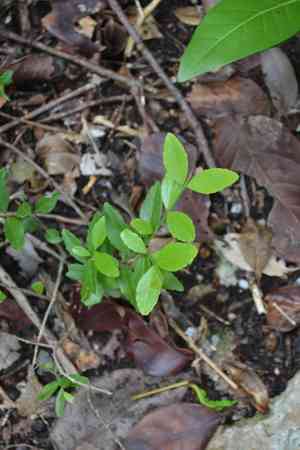
Maidenberry is a robust, durable shrub recognized for its appealing leaves and berries. Trim maidenberry in the initial part of spring to foster vigorous development and sculpt the plant. Prioritize the elimination of lifeless, injured, or infected limbs initially, subsequently reducing congested sections to enhance air movement. Refrain from extensive trimming in late summer or autumn to avert harm during winter. Consistent trimming stimulates a more compact form and increased flowering. Ensure the use of disinfected implements to lessen the chance of illness spreading.
What Are the Benefits of Pruning Maidenberry?
What Are the Benefits of Pruning Maidenberry?
Trimming maidenberry encourages vigorous plant development and helps maintain its desired form. It fosters robust growth, boosts flowering or fruiting, and improves its overall look. Regular trimming also aids in pest and disease resistance, ensuring a strong and attractive garden presence.
What Is the Best Time for Pruning Maidenberry?
What Is the Best Time for Pruning Maidenberry?
Trimming maidenberry in early spring is optimal due to its growth cycle and seasonal behavior. Firstly, early spring pruning allows shaping before new growth begins, letting the plant focus energy on healthy, strong development. This timing also reduces disease or pest risks, as wounds heal faster in mild weather. Additionally, pruning before flowering enhances blooming and improves maidenberry's overall health and structure, leading to a more robust and attractive plant throughout the growing season.
What Tools Do I Need to Prune Maidenberry?
Hand Pruners
Perfect for small branches and stems up to about 1/2 inch in diameter, ensuring clean cuts for healthy growth.
Bypass Pruners
Preferred for live, green wood and for making precise, close cuts without crushing the stem.
Loppers
Useful for thicker branches that hand pruners cannot handle, typically up to about 1-2 inches in diameter, providing more leverage and cutting power.
Pruning Saw
Designed for branches larger than 2 inches in diameter, ensuring smooth, clean cuts without tearing the bark or wood.
Gloves
Essential for protecting hands from prickly stems and debris, ensuring safety while pruning.
Sanitizing Wipes or Solution
Important for cleaning tools between cuts to prevent the spread of disease.
How to Prune Maidenberry
Inspection
Examine the plant to identify areas with diseased leaves, withered leaves, dead branches, and diseased branches.
Sanitization
Sterilize pruning tools with rubbing alcohol or a bleach solution to prevent the spread of disease.
Diseased Leaves
Carefully remove any diseased leaves using sharp, sanitized pruning shears to prevent further infection.
Withered Leaves
Trim withered leaves at their base to enhance the plant's appearance and encourage healthy growth.
Dead and Diseased Branches
Prune dead and diseased branches back to healthy tissue, making cuts at a slight angle to promote healing and water runoff.
Common Pruning Mistakes with Maidenberry
Over-Pruning
Removing too much foliage can stress maidenberry, leading to reduced growth and flowering. Itâs important to avoid cutting more than one-third of the plant at a time.
Improper Cuts
Making jagged or haphazard cuts can damage maidenberry and open it up to diseases. Ensure cuts are clean and made at a slight angle.
Pruning at the Wrong Time
Although specific timing isnât the focus here, generally pruning during the wrong growth phase can hinder recovery and regrowth.
Ignorance of Plant Structure
Failing to recognize the natural growth habit of maidenberry can lead to pruning that disrupts its shape and health.
Ignoring Dead or Diseased Branches
Overlooking the removal of dead or diseased branches can spread disease and pests, weakening maidenberry.
Common Pruning Tips for Maidenberry
Use Sharp Tools
Always use sharp, clean pruning shears to ensure precise cuts and minimize damage to maidenberry. This helps in quicker healing and reduces disease risk.
Understand the Growth Habit
Familiarize yourself with the natural shape and growth pattern of maidenberry to prune in a manner that supports its structure and aesthetics.
Remove Crossing Branches
Identify and remove branches that cross or rub against each other in maidenberry to prevent wounds and potential disease entry points.
Thin Out the Canopy
Thin out the canopy to improve air circulation and light penetration, which promotes healthier growth and reduces mold and mildew risks.
Prioritize Dead or Weak Branches
Start by removing any dead, weak, or diseased branches, as this encourages healthier growth and prevents disease spread in maidenberry.
Make Precision Cuts
Always make cuts just above a bud or a lateral branch, ensuring they are clean and angled, which aids in quicker healing and robust new growth.



