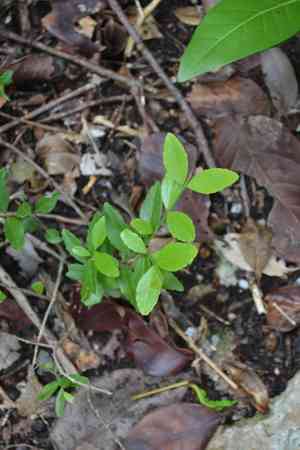
Maidenberry (Crossopetalum rhacoma)
Also known as: Rhacoma, Maidenberry
The maidenberry (Crossopetalum rhacoma) is a hardy shrub native to Florida's coastal regions, particularly thriving in rocky and limestone-rich soils. Its adaptations include salt tolerance and a deep root system that accesses water from below the dry surface, making it well-suited to coastal conditions. The plant's tough, leathery leaves minimize water loss under the intense coastal sun. Additionally, its small, star-shaped white flowers and red to black berries not only conserve moisture but also support local wildlife by providing a food source. These characteristics enable the maidenberry to flourish in Florida's challenging coastal habitats.
In This Article
Attributes of Maidenberry
Lifespan
Perennial
Plant Type
Shrub
Plant Height
1.5 to 3 meters
Spread
1 to 2 meters
Leaf Color
Dark green
Flower Size
0.5 to 1 centimeter
Flower Color
White to pinkish
Images of Maidenberry
Quickly Identify Maidenberry
1
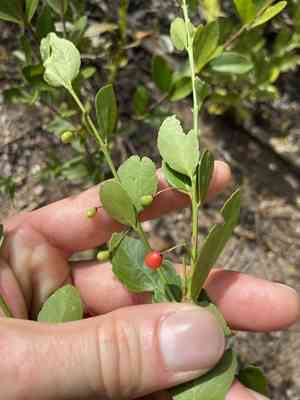
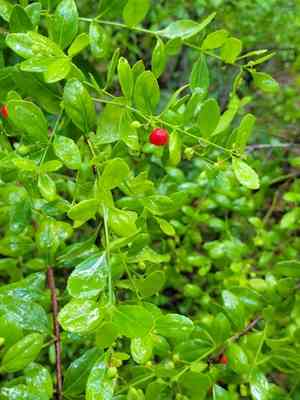
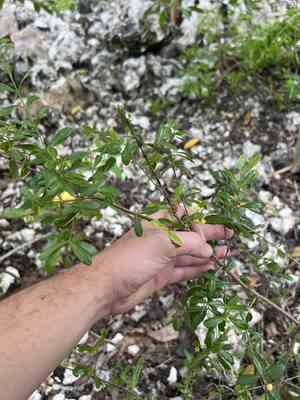
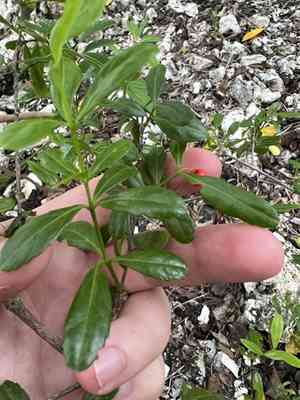
To identify Crossopetalum rhacoma, look for a shrub that has leathery, elliptical leaves that are dark green on the top and lighter underneath. The plant produces small white to pinkish flowers and bright red, edible berries.
Scientific Classification of Maidenberry
Phylum
Vascular plants
Class
Dicotyledons
Order
Celastrales
Family
Bittersweet
Genus
Crossopetalum
Species
Maidenberry
Planting and Growing of Maidenberry
Care Difficulty
Moderate
Watering Schedule
Every 3 days
Sunlight Requirements
Full sun
Sunshine Duration
6-10 hours
Ideal Temperature
70-85℉
Soil Type
Potting Mix, Peat Mix
Soil pH
6.5-7.5
Fertilizer Type
Balanced
Pruning Season
Spring, Summer
Pruning Area
Branches, Leaves
Pruning Frequency
2 times a year
Repotting Season
Spring
Pot Type
Terracotta, Plastic
 How to Water Maidenberry?
When watering Crossopetalum rhacoma, it's essential to ensure the soil is moist but not waterlogged. Generally, 250 ml per session is sufficient to maintain balance, ensuring the soil is neither too dry nor too saturated.
What are the symptoms of an underwatered Maidenberry?
›
What should I do if my Maidenberry is not getting enough water?
›
What are the symptoms of an overwatered Maidenberry?
›
How to save an overwatered Maidenberry?
›
 What Are the Sunlight Requirements for Maidenberry?
Full sun exposure for 6-8 hours daily helps in vigorous growth and flowering. This ideal lighting ensures that Crossopetalum rhacoma has sufficient energy for optimal photosynthesis, promoting strong stems and lush foliage.
Optimal Sun Exposure
›
Balancing Sunlight
›
Seasonal Light Adjustments
›
 What Is the Ideal Temperature Range for Maidenberry?
For optimal growth, Crossopetalum rhacoma thrives in a warm environment with temperatures ranging from 70°F to 85°F. This range provides the necessary warmth for efficient photosynthesis and nutrient absorption. Consistent temperatures within this range facilitate healthy growth and prevent stress on the plant's physiological systems.
 What Soil is Best for Maidenberry?
Crossopetalum rhacoma thrives in well-drained soils, which help prevent root rot. This ensures that the roots get adequate oxygen and reduces waterlogging risks. A nutrient-rich substrate supports the growth of Crossopetalum rhacoma by providing essential minerals and nutrients vital for its development and health. Lightweight and aerated soils ensure proper root expansion and microbial activity, contributing to a robust plant structure and vibrant growth.
 How to Fertilize Maidenberry?
For Crossopetalum rhacoma, using approximately half the recommended dose on the fertilizer package is ideal. This conservative approach prevents nutrient burn and ensures the plant receives just the right amount to thrive.
 How to Prune Maidenberry?
Begin by identifying the branches that need pruning. Look for any dead or damaged branches, as well as any that are crossing or rubbing against each other. Removing these will help improve sunlight penetration and air circulation. Make sure you have sharp and clean pruning shears. Dull or dirty tools can cause damage to the plant and increase the risk of disease. Sterilize your tools before beginning the pruning process to ensure the plant remains healthy. When cutting, do so at a 45-degree angle about a quarter inch above a leaf bud. This encourages new growth outward rather than inwards towards the trunk, promoting a fuller appearance.
More About Pruning Techniques→
 How to Propagate Maidenberry plant?
1
Gather seeds from a mature Crossopetalum rhacoma plant. Soak them in water for 24 hours to soften the seed coat and enhance germination.
2
Select healthy, semi-hardwood stems and cut them at a 45-degree angle. Ensure each cutting is approximately 6 inches long with several nodes.
3
Dip the cut end of the cutting in rooting hormone before planting it in a well-draining substrate. Firm the soil around the cutting to eliminate air pockets.
 How to Repot Maidenberry plant?
1
Indicators that Crossopetalum rhacoma needs repotting include roots growing out of drainage holes, slowed growth, or soil that dries out too quickly. These signs often suggest the plant has outgrown its current pot or needs fresh soil.
2
Choose a pot that's slightly larger than the current one, ideally with good drainage holes. Selecting the right size ensures the plant doesn't get waterlogged, and adequate drainage helps prevent root rot, keeping your Crossopetalum healthy and thriving.
3
Use a well-draining sandy soil mix, as it mimics the plant's natural environment. This type of soil prevents waterlogging and supports healthy root development, ensuring your plant continues to grow robustly.
Toxicity
Ingestion
WARNING
The judgment on toxicity and danger is for reference only. We DO NOT GUARANTEE any accuracy of such judgment. Therefore, you SHALL NOT rely on such judgment. It is IMPORTANT TO SEEK PROFESSIONAL ADVICE in advance when necessary.
Learn More About Maidenberry Diseases
Anthracnose
Bacterial Leaf Spot
Bacterial Soft Rot
Bacterial Wilt
Black Spot
Chemical Injury
Crown Gall
Cyst Nematode
Damping-off
Downy Mildew
Drought Stress
Fusarium Wilt
Gray Mold
Leaf Curl
Leaf Spot
Mosaic
Nutrient Deficiency
Nutrient Toxicity
Powdery Mildew
Root Rot
Root-knot Nematode
Rusts
Sooty Mold
Spider Mites
Temperature Stress
Thrips Damage
White Mold



