How to Propagate Maidenberry?
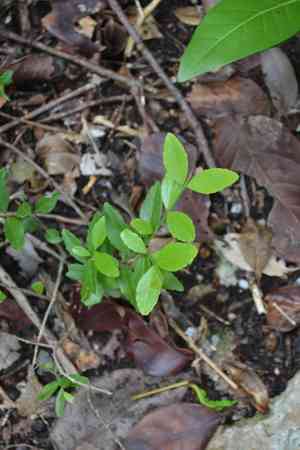
Maidenberry, a member of the Celastraceae family, flourishes in littoral zones. Reproducing this plant via cuttings yields the best results. Choose semi-lignified segments, making sure each possesses at least one joint. Employing a rooting stimulant improves the likelihood of success. Insert cuttings into a substrate that drains well and remains damp, while sustaining average humidity. Locations with partial shade facilitate development. Consistent observation for root formation is vital, guaranteeing the plant's general well-being and firmness throughout the propagation procedure.
What Is the Best Time To Propagate Maidenberry?
Propagation Type
Cutting
Propagation Season
Spring,Summer
What Tools Are Used in Maidenberry Propagation?
Pruning Shears
Pruning shears are vital for taking cuttings from maidenberry. They ensure a clean cut, which minimizes damage to both the parent plant and the cutting. High-quality shears with sharp blades reduce the risk of crushed stems that can inhibit rooting.
Rooting Hormone
Rooting hormone, available in powder, liquid, or gel form, is used to encourage root development on the cuttings of maidenberry. This product contains growth hormones that stimulate root cells and improve the chances of successful propagation.
Sterilized Potting Mix
A sterile, well-draining potting mix ensures that the cuttings of maidenberry have a clean environment to root in. This reduces the risk of infections and provides optimal conditions for new roots to develop.
Propagation Trays with Humidity Domes
Propagation trays equipped with humidity domes help maintain high humidity levels around maidenberry cuttings, which is crucial during the early stages of rooting. The controlled environment aids in reducing water loss and stress on the cuttings.
Sharp Knife or Scalpel
For more delicate cuttings, a sharp knife or scalpel can be used to make precise cuts on maidenberry. This is particularly useful when dealing with finer stems and requires precision to avoid damaging the plant tissue.
Spray Bottle
A spray bottle is important for maintaining moisture on the leaves and in the environment around maidenberry cuttings. It helps in keeping the humidity high without over-watering the soil.
Heat Mat
A heat mat placed under the propagation trays can provide consistent bottom heat. This encourages faster root development for maidenberry cuttings by maintaining optimal soil temperature, especially in cooler climates or indoor environments.
Labels and Markers
Using labels and markers is important for keeping track of different batches of maidenberry cuttings, especially if using multiple propagation trays. This helps in monitoring dates and success rates for different cuttings.
How to Propagate Maidenberry?
Propagation Type
Moderately Difficult
How to Care for Your Newly Propagated Maidenberry?
How to Care for Your Newly Propagated Maidenberry?
After successful propagation, position the newly transplanted maidenberry in an area that receives partial to full sunlight. Water it regularly but allow the soil to dry out slightly between waterings to prevent root rot. Fertilize the plant with a balanced, slow-release fertilizer during the growing season. Prune as necessary to maintain its shape and remove any dead or diseased foliage. Monitor for pests and diseases, and address any issues promptly to ensure the healthy growth of maidenberry.
Common Mistakes to Avoid When Propagating Maidenberry
Overwatering
Excessive moisture can lead to root rot and fungal diseases, which significantly reduce the success rate of propagation for maidenberry.
Improper Soil Mix
Using a soil mix that retains too much water or lacks proper drainage can hinder root development and overall plant health.
Insufficient Light
Failing to provide adequate light can result in weak, etiolated growth, making it difficult for cuttings to establish robust roots.
Incorrect Cutting Techniques
Using dull or dirty tools can damage plant tissues and introduce pathogens, lowering the chances of successful rooting.
Failure to Use Rooting Hormone
Not using a rooting hormone can slow down the rooting process and decrease the likelihood of successful propagation.
Tips For Propagating Maidenberry
Moderate Watering
Ensure even yet moderate watering by keeping the soil consistently moist but not saturated to prevent root rot.
Well-Draining Soil
Use a well-draining potting mix, such as one containing sand or perlite, to promote healthy root growth.
Adequate Light
Provide bright, indirect light to encourage strong and healthy growth of the cuttings.
Sharp and Clean Tools
Use sharp, sterilized tools when taking cuttings to prevent disease transmission and encourage clean, precise cuts.
Rooting Hormone
Apply rooting hormone to the cut ends of cuttings to accelerate root development and improve success rates.



