How to Prune Swamp stonecrop?
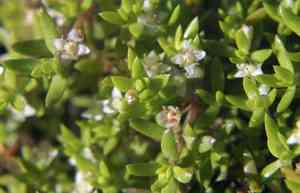
Swamp stonecrop, a unique aquatic plant, flourishes with judicious trimming. Essential methods include excising deceased or excessively long stalks to preserve its form and avert congestion. The ideal period for this is from late winter to early spring, coinciding with its dormant phase and the emergence of fresh shoots. Trimming improves light exposure, diminishes the likelihood of ailments, and fosters vigorous well-being. Regular cutting guarantees that swamp stonecrop stays controllable and visually appealing, in harmony with its inherent growth patterns and environmental needs.
What Are the Benefits of Pruning Swamp Stonecrop?
What Are the Benefits of Pruning Swamp Stonecrop?
Swamp stonecrop needs trimming to grow robustly and keep its shape. Regular trimming prevents crowding, ensuring good light and air flow, lowering pest and disease risks, and encouraging healthier, stronger development.
What Is the Best Time for Pruning Swamp Stonecrop?
What Is the Best Time for Pruning Swamp Stonecrop?
Trimming or cutting swamp stonecrop in early spring and late winter is ideal due to its growth cycle. During these periods, swamp stonecrop is dormant or less active, reducing plant stress and allowing for more efficient recovery. This timing also helps shape the plant before vigorous growth begins, promoting healthier, more controlled development. Additionally, pruning then minimizes disease and pest risks, as the plant is less vulnerable when not actively growing.
What Tools Do I Need to Prune Swamp Stonecrop?
Scissors or Small Pruning Shears
Given the delicate, slender stems of swamp stonecrop, small, sharp tools like scissors or pruning shears are perfect for precise cuts.
Handheld Aquatic Plant Pruners
These are particularly effective for water plants such as swamp stonecrop, offering precise control in aquatic environments.
Tweezers or Forceps
Useful for accurately removing individual stems and leaves, which is crucial for swamp stonecrop due to its dense growth pattern.
Aquascaping Scissors
Slender, elongated scissors designed for underwater use are excellent for trimming swamp stonecrop at various depths.
How to Prune Swamp Stonecrop
Preparation
Ensure sharp, clean pruning shears are ready to prevent disease spread.
Identification
Carefully inspect swamp stonecrop to find diseased and withered leaves. Diseased leaves may show discoloration, spots, or wilting, while withered ones appear dry and brown.
Pruning diseased leaves
Cut off diseased leaves with a precise cut just above a healthy leaf node or stem. Dispose of these leaves carefully to stop disease from spreading.
Pruning withered leaves
Remove withered leaves by gently pulling or carefully cutting them close to the stem. Make sure not to harm healthy parts of swamp stonecrop.
Cleanup
Clear away all pruned material from the base of swamp stonecrop and dispose of it properly. Sanitize pruning tools before and after use to maintain plant health.
Common Pruning Mistakes with Swamp Stonecrop
Incorrect cutting technique
Using dull or unsterilized tools can harm plant tissue and introduce disease. Always use sharp, clean shears.
Over-pruning
Removing too much foliage can stress swamp stonecrop, hindering its growth and making it vulnerable to disease. Prune sparingly to avoid this issue.
Improper disposal of clippings
Leaving pruned clippings around the base of swamp stonecrop can encourage pest infestations and fungal growth. Always clean up and dispose of clippings properly.
Uneven pruning
Failing to prune uniformly around swamp stonecrop can result in an uneven, unattractive appearance and unbalanced growth. Aim for even pruning to maintain an appealing shape.
Common Pruning Tips for Swamp Stonecrop
Use sharp tools
Ensure you are using sharp, sterilized pruning shears to make clean cuts and prevent disease transmission.
Light pruning
Perform light pruning by removing only a small portion of the plant at a time. This helps maintain its natural form and promotes healthy growth.
Focus on damaged or dead parts
Remove any dead, damaged, or diseased parts first. This directs the plant's energy towards healthy growth and reduces disease risk.
Maintain shape
Regularly trim swamp stonecrop to encourage a compact and attractive form. This helps prevent leggy and overgrown growth, which can be more susceptible to damage.
Consider habit
Understand the natural growth habit of swamp stonecrop and prune accordingly to ensure it maintains its natural form and aesthetic appeal.



