How to Propagate Swamp stonecrop?
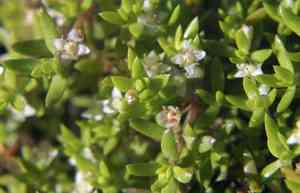
Crassula helmsii, a adaptable aquatic flora, flourishes in damp habitats, making it a favored choice for ponds and water features. Reproduction is efficiently accomplished via seeding. To ensure successful seeding, place seeds in shallow water, avoiding full submersion. Sustain humid conditions to stimulate sprouting. This variety readily takes root and expands, providing attractive greenery. Consistent observation is crucial to avert excessive proliferation.
When Is the Optimal Time to Propagate Swamp Stonecrop?
Propagation Method
Seeding
Propagation Period
Spring
What Equipment Is Utilized in Swamp Stonecrop Propagation?
Seed Trays
These are vital for planting swamp stonecrop seeds. The trays offer a controlled setting that guarantees consistent germination and easy monitoring of seedling growth.
Fine Seedling Compost
Employing a fine, well-draining compost is crucial for swamp stonecrop seeds, as it delivers the correct balance of moisture retention and air circulation, fostering robust root development.
Humidity Domes
These covers aid in sustaining elevated humidity levels, which is essential for the germination process of swamp stonecrop seeds. They prevent the soil from drying out, creating an ideal microclimate.
Heating Mats
Supplying warmth from below can significantly enhance germination rates and speed for swamp stonecrop. It helps maintain steady soil temperatures, critical for seedling growth.
Labeling Stakes
These are beneficial for tracking various seed batches and planting dates. Precise labeling ensures proper care and observation of swamp stonecrop seedlings.
Misting Bottles
Gentle spraying helps keep the soil surface moist without dislodging seeds. Consistent moisture is crucial for the successful germination of swamp stonecrop seeds.
Tweezers
These enable precise handling of small seeds or seedlings of swamp stonecrop, minimizing harm during the delicate planting or transplanting phases.
Sterilized Potting Tools
Using clean implements prevents the spread of pathogens, which is vital for the health and viability of swamp stonecrop during propagation. Tools like small trowels should be routinely disinfected.
How to Propagate Swamp Stonecrop?
Propagation Difficulty
Simple
How to Nurture Your Newly Propagated Swamp Stonecrop?
How to Nurture Your Newly Propagated Swamp Stonecrop?
Post-transplant, continue to provide bright, indirect illumination and maintain consistent soil moisture without waterlogging. Gradually introduce young plants to outdoor conditions if they will be grown outside. Watch for any signs of pests or diseases, and ensure the plants do not completely dry out between waterings. Regularly inspect the plants and adjust care as needed to support healthy growth and development.
Frequent Errors to Avoid When Propagating Swamp Stonecrop
Overwatering
Leads to root decay and fungal infections, which can impede propagation success.
Insufficient Light
Results in slow growth and weak cuttings, lowering the rate of successful propagation.
Using Poor Quality Water
Tap water high in chlorine or fluoride can harm the plant's delicate tissues.
Incorrect Medium
Employing soil that lacks proper drainage can cause waterlogging, negatively impacting root development.
Crowding Cuttings
Placing cuttings too close together can lead to competition for resources and heighten the risk of disease transmission.
Advice For Propagating Swamp Stonecrop
Utilize Well-Draining Medium
Select a peat-free aquatic compost or fine gravel to prevent waterlogging and encourage robust root growth.
Provide Ample Light
Ensure bright, indirect light to promote vigorous growth and prevent scorching the cuttings.
Change Water Regularly
If propagating in water, refresh the water frequently to prevent stagnation and algae formation.
Maintain Optimal Humidity
Keep humidity levels around 75-85%, using a plastic cover if necessary, to foster root development.
Space Out Cuttings
Position cuttings with some distance between them to ensure each has sufficient space and resources, reducing competition and disease risk.



