How to Prune Pygmy stonecrop?
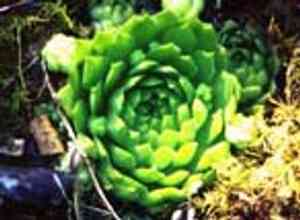
Pygmy stonecrop, a resilient succulent groundcover, thrives with little intervention. Essential trimming techniques include nipping back sprawling sections, removing withered or compromised portions, and sculpting for compactness. The most effective time for pruning is during its active development phase, from spring through early autumn. Prompt trimming encourages robust development and discourages infestations. Employ sanitized, keen implements for accurate incisions to preserve the plant's vitality and aesthetic.
What Are the Benefits of Pruning Pygmy Stonecrop?
What Are the Benefits of Pruning Pygmy Stonecrop?
Trimming pygmy stonecrop promotes vigorous development and maintains its compact shape, preventing excessive growth that could harm its vitality and visual appeal.
What Is the Best Time for Pruning Pygmy Stonecrop?
What Is the Best Time for Pruning Pygmy Stonecrop?
Pruning or trimming pygmy stonecrop is best done during the Spring and Summer seasons for several reasons. In Spring, pygmy stonecrop is entering an active growth phase, and pruning can encourage the plant to produce new shoots, leading to a denser and healthier growth pattern. Trimmings made at this time allow pygmy stonecrop to recover quickly and fully utilize the longer daylight hours for photosynthesis. Summer pruning, especially in the early part, can be beneficial for shaping the plant or controlling its size, and for removing any damaged or diseased parts that may have occurred due to the plant's rapid growth during Spring. It's crucial to avoid pruning in Fall because pygmy stonecrop needs time to harden off new growth before the colder temperatures of Winter. Pruning too late in the season can lead to frost damage on new cuts, weakening the plant.
What Tools Do I Need to Prune Pygmy Stonecrop?
Precision Pruners or Snips
Given the small and delicate nature of pygmy stonecrop, precision pruners or gardening snips are ideal for accurately removing dead or damaged leaves and stems. They enable careful selection and cutting without causing unnecessary harm to the plant.
Tweezers
Due to pygmy stonecrop's dense and compact growth habit, tweezers are useful for gently removing dead material or debris that might be caught within the plant's tight spaces.
Soft-bristled Brush
A soft-bristled brush can be used to carefully clean any residual plant matter from the foliage and crevices of pygmy stonecrop, maintaining the plant's appearance without harming delicate leaves.
How to Prune Pygmy Stonecrop
Sanitize tools
Before pruning pygmy stonecrop, sterilize your pruning tools with isopropyl alcohol or a bleach solution to prevent the spread of disease.
Identify
Inspect pygmy stonecrop carefully to locate and mark the specific withered leaves that require removal, ensuring they are indeed dead or damaged before proceeding.
Cut
Using a pair of sharp and clean scissors or pruning shears, carefully snip off the withered leaves at their base, making sure not to harm any healthy parts of pygmy stonecrop.
Dispose
After pruning pygmy stonecrop, gather and dispose of the withered leaves in a waste bin or compost them if suitable, to minimize the risk of disease or pest infestation.
Common Pruning Mistakes with Pygmy Stonecrop
Over-pruning
Removing too much foliage from pygmy stonecrop at once can weaken the plant and reduce its ability to photosynthesize properly.
Under-pruning
Failure to remove dead or dying parts of pygmy stonecrop can lead to disease and pest infestations.
Improper tool use
Using dull or dirty tools can damage pygmy stonecrop's delicate stems and leaves, as well as introduce diseases.
Incorrect cutting technique
Cutting the stems of pygmy stonecrop too close to the nodes or into the main stem can harm the plant's growth potential.
Neglecting plant structure
Not considering the natural shape and growth habit of pygmy stonecrop during pruning may result in an unbalanced or unattractive plant.
Ignoring plant health
Pruning pygmy stonecrop when it is stressed or diseased can exacerbate its condition and hinder recovery.
Common Pruning Tips for Pygmy Stonecrop
Sterilize tools
Always use clean and sharp pruning tools to make precise cuts and to prevent the spread of diseases.
Cut at a node
When pruning pygmy stonecrop, make cuts just above a leaf node to encourage new growth in the desired direction.
Thin out
Thin out the dense areas of pygmy stonecrop to improve airflow and light penetration, which helps in preventing disease and promoting even growth.
Prune spent flowers
Trimming off spent flowers from pygmy stonecrop can stimulate further blooming and keep the plant looking tidy.
Preserve structure
Maintain the natural shape of pygmy stonecrop by selectively removing disproportionate or stray growth instead of resorting to uniform cuts.
Monitor health
Regularly inspect pygmy stonecrop for signs of pests or diseases while pruning and take appropriate actions to address any issues.



