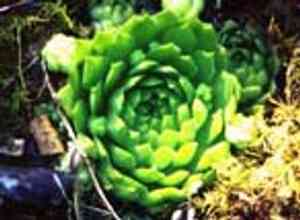
Pygmy stonecrop (Crassula connata)
Also known as: Erect pygmyweed
Crassula connata, commonly called pygmy stonecrop, is a small plant that typically forms patches on rocky terrain. It is native to regions in Central and South America as well as western North America, often thriving around vernal pools.
In This Article
Attributes of Pygmy stonecrop
Lifespan
Annual
Plant Type
Herb
Plant Height
2 cm to 6 cm
Spread
Approximately 5-10 cm
Leaf Color
Green to reddish
Flower Size
Approximately 3-5 mm
Flower Color
Yellow Green Red
Images of Pygmy stonecrop
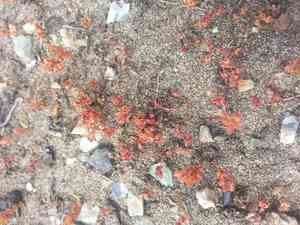
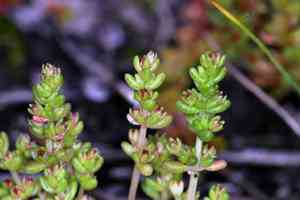
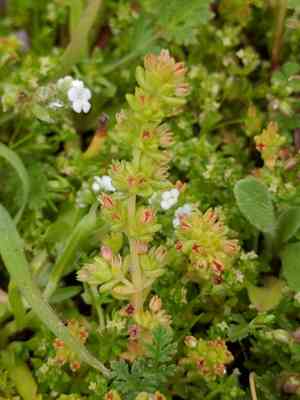
Quickly Identify Pygmy stonecrop
1
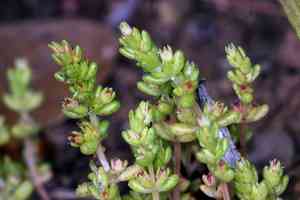
Crassula connata can be identified by its tiny, clustered leaves that are fleshy and often reddish in color. The leaves form a compact, mat-like growth habit. The plant produces small, white to pinkish flowers.
Scientific Classification of Pygmy stonecrop
Phylum
Vascular plants
Class
Dicotyledons
Order
Saxifragales
Family
Stonecrop
Genus
Crassula
Species
Pygmy stonecrop
Planting and Growing of Pygmy stonecrop
Care Difficulty
Easy
Watering Schedule
Every 2 days
Sunlight Requirements
Full sun
Sunshine Duration
4-8 hours
Ideal Temperature
65-75℉
Soil Type
Potting Mix, Peat Mix
Soil pH
6.5-7.5
Fertilizer Type
Balanced
Pruning Season
Spring, Summer
Pruning Area
Branches, Leaves
Pruning Frequency
2 times a year
Repotting Season
Spring
Pot Type
Ceramic, Plastic
 How to Water Pygmy stonecrop?
Crassula connata requires minimal watering due to its succulent nature. The water should soak the soil just enough to reach the roots but not so much that excess water collects at the bottom. Ensure the soil is completely dry before watering again to prevent root rot.
What are the symptoms of an underwatered Pygmy stonecrop?
›
What should I do if my Pygmy stonecrop is not getting enough water?
›
What are the symptoms of an overwatered Pygmy stonecrop?
›
How to save an overwatered Pygmy stonecrop?
›
 What Are the Sunlight Requirements for Pygmy stonecrop?
Crassula connata ideally enjoys full sun to partial sun. Proper sunlight enhances its photosynthesis abilities, supports robust growth, and ensures its vibrant foliage color.
Light Quality
›
Daytime Exposure
›
Seasonal Adjustments
›
 What Is the Ideal Temperature Range for Pygmy stonecrop?
The ideal temperature range for Crassula connata is between 65°F and 75°F. Within this temperature range, the plant can thrive by performing essential biological processes efficiently. At these temperatures, photosynthesis, nutrient absorption, and cellular respiration operate optimally, contributing to healthy growth and vitality. The consistency of this temperature range is crucial for ensuring the plant's development remains uninterrupted.
 What Soil is Best for Pygmy stonecrop?
Crassula connata thrives in well-drained soil, which prevents the roots from sitting in water and potentially rotting. This drainage characteristic is essential as it replicates the plant's natural arid environment, allowing it to absorb just the right amount of moisture. The soil should have moderate nutrient content to supply essential nutrients while preventing over-fertilization. This balance ensures that the plant receives enough sustenance for growth without the risk of nutrient burn. A slightly alkaline pH supports Crassula connata's growth as it aids in optimal nutrient absorption. Maintaining this pH level ensures the plant has access to the essential minerals needed for healthy development.
 How to Fertilize Pygmy stonecrop?
Crassula connata prefers a moderate approach to fertilization. For liquid fertilizers, dilute the solution to half of the recommended strength. Use approximately 15-20ml per plant for liquid feedings. For slow-release fertilizers, use about 1 teaspoon per pot once a year, and evenly mix it into the top layer of soil.
 How to Prune Pygmy stonecrop?
Begin by examining your Crassula connata for any dead, discolored, or damaged leaves and stems. These parts should be removed first to enhance the plant's growth and appearance. Use sharp, sterilized scissors to make clean cuts close to the base of the stem or leaf. Clean cuts reduce the chance of infection and facilitate quicker healing of the plant. Gently shape the plant by trimming any excessively long stems to maintain a compact and aesthetically pleasing form. Ensure not to remove more than one-third of the plant at any time.
More About Pruning Techniques→
 How to Propagate Pygmy stonecrop plant?
1
To start propagation, collect seeds from mature plants or select healthy cuttings free of disease. This ensures higher chances of success in developing strong new plants.
2
Use a well-draining soil mix or propagation medium. Prepare this by ensuring it is moistened but not waterlogged, promoting root health and reducing rot risks.
3
Plant the seeds at a shallow depth or insert cuttings into the growing medium. Keep them in a spot with bright, indirect sunlight to facilitate growth without causing stress.
 How to Repot Pygmy stonecrop plant?
1
Repot Crassula connata when you notice roots creeping out of the drainage holes or the plant becomes root-bound, exhibiting stunted growth and wilting, despite appropriate care and watering.
2
Select a pot that is 1-2 inches larger in diameter than the current one, with ample drainage holes. This ensures enough space for root growth while preventing waterlogging, which can lead to root rot.
3
Opt for a well-draining succulent potting mix that includes sand, pumice, or perlite. This type of soil prevents moisture retention, reducing the risk of root rot and promoting healthy root development.



