The Pygmy stonecrop Plant Advantage: Maximizing Home and Office Appeal and Wellness
1
Provides a lovely, small, and easy-to-care-for choice for both interior and exterior plant displays.
2
Flourishes across diverse soil types, demonstrating great versatility.
3
Helps to stop soil degradation because of its ground-covering growth habit.
Why Select Pygmy Stonecrop for Your Garden?
Effortless Charm
A primary reason to consider Pygmy stonecrop for your garden is its undemanding character. The plant needs minimal attention, requiring only fundamental light, water, and occasional trimming to flourish. It tolerates dry conditions and can thrive in diverse soil types, making it a superb option for gardeners who prefer a hands-off approach.
Versatility in Soil Conditions
Another significant benefit of Pygmy stonecrop is its capacity to adapt to various soil compositions. Whether your garden features sandy, loamy, or clay-rich earth, Pygmy stonecrop can comfortably grow and spread. This adaptability allows for greater flexibility in garden design and ensures this plant can complement other species effectively.
Appealing Look
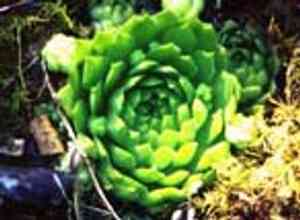
Beyond its low-maintenance nature and adaptability, Pygmy stonecrop also offers an attractive appearance. The plantâs tiny, tightly-packed leaves form a lush, green carpet that can enhance the aesthetic appeal of any garden. It also produces small blossoms that introduce a burst of color, further elevating its visual charm.
How Does Pygmy Stonecrop Benefit the Environment?
Preventing Soil Loss
The mat-forming growth habit of Pygmy stonecrop plays a crucial role in preventing soil erosion. Its extensive root system helps bind the soil together, reducing the risk of degradation caused by wind and water. This makes Pygmy stonecrop an excellent choice for ground cover, especially in areas prone to soil depletion.
Supporting Local Fauna
In addition to its function in preventing soil erosion, Pygmy stonecrop also supports local wildlife. The plant offers a natural habitat for various insects and small creatures, fostering biodiversity in your garden. Its tiny flowers attract pollinators like bees and butterflies, contributing to the overall health of the ecosystem.
Water Conservation Efforts
Given its drought-tolerant nature, Pygmy stonecrop is an ideal plant for conserving water. Once established, it requires minimal irrigation, making it a sustainable option for gardeners aiming to reduce their water consumption. This characteristic is particularly advantageous in arid regions or places with water restrictions.
Practical Applications of Pygmy Stonecrop in Landscaping
Ground Covering
Pygmy stonecrop is frequently utilized as a ground cover in landscaping projects. Its dense growth habit effectively blankets large areas, providing a neat and uniform look. The plantâs ability to suppress weeds makes it even more desirable for creating low-maintenance landscapes.
Rockery Gardens
Another practical application for Pygmy stonecrop is in rock gardens. The plantâs compact size and appealing foliage make it an excellent addition to rock gardens, where it can fill spaces between rocks and add texture. Its resilience to harsh conditions further enhances its suitability for these environments.
Container Cultivation
For those with limited space or urban residents, Pygmy stonecrop is also suitable for container gardening. The plantâs small stature and minimal care needs make it perfect for pots and planters, adding a touch of greenery to balconies, patios, or indoor areas.



