How to Prune Cotta grass?
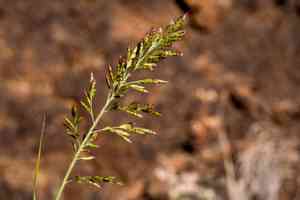
Cotta grass, recognized for its resilient, clustered development, necessitates consistent trimming to preserve its form and vitality. Perform pruning in springtime to eliminate aged leaves, fostering abundant, fresh development. Summer trimming helps control its size and improves air movement within the clusters, averting illnesses. Late autumn pruning readies it for its dormant phase and boosts its spring strength. Routine trimming also encourages thicker foliage, rendering cotta grass more visually appealing and resistant to pests.
Advantages of Trimming Cotta Grass
Advantages of Trimming Cotta Grass
Trimming cotta grass encourages robust development and helps maintain its form, improving its overall garden appeal and vitality.
Optimal Time for Trimming Cotta Grass
Optimal Time for Trimming Cotta Grass
Trimming cotta grass during Spring, Summer, and Fall aligns with its active growth periods, allowing the plant to recover and regrow more effectively after cutting. Spring trimming stimulates new growth, enhances light penetration, and improves air circulation within the plant's structure. Summer trimming is ideal for shaping the plant and managing its size, also potentially removing any diseased or damaged foliage that may have occurred in the early growth stages. Fall trimming is generally lighter and aims to prepare cotta grass for winter by removing dead or excess growth, which helps reduce the burden on the plantâs root system and minimizes damage from winter weather conditions. Avoiding winter trimming ensures that cotta grass does not face unnecessary stress during its dormant period when it conserves energy for the upcoming growth season.
Required Tools for Trimming Cotta Grass
Hand Pruners
Perfect for cotta grass as they enable precise cuts on its finer, delicate stems without causing undue harm to the plant's structure.
Grass Shears
Crucial for shaping and maintaining the appearance of cotta grass, allowing clean trimming of grass blades close to the ground, which is necessary for this low-growing grass.
Handheld Hedge Shears
Useful for larger or overgrown areas of cotta grass, facilitating even, uniform trimming across a wider section of growth. These shears enable quick and efficient shaping of the grass.
How to Trim Cotta Grass
Select Tools
Choose the appropriate implements for trimming cotta grass. Opt for sharp, clean scissors or hand pruners to ensure precise cuts without harming the plant.
Inspect Plant
Carefully examine cotta grass for withered leaves. These are typically dry, brown, or visibly damaged and no longer contribute to the plantâs growth or beauty.
Sanitize Tools
Before beginning the trimming process, disinfect your pruning tools. This step prevents the spread of disease from previously cut plants to cotta grass. Use a solution of bleach and water or isopropyl alcohol to clean the blades.
Trim Withered Leaves
Gently cut the withered leaves at their base, close to the stem. Ensure the entire leaf, including the leaf base, is removed to prevent decay that could attract pests or disease.
Disposal
Properly dispose of the trimmed material. Do not leave withered leaves near or around cotta grass, as decomposing plant material can attract pests or foster disease in the area.
Common Trimming Errors with Cotta Grass
Excessive Trimming
Removing too much foliage from cotta grass can severely impede its growth and ability to thrive. Over-trimming not only reduces the plant's leaf area but also its capacity to photosynthesize and support healthy blooms.
Incorrect Tool Usage
Using dull or unsanitized trimming tools can damage the stems of cotta grass, leading to jagged cuts that heal poorly and may invite disease. Always use sharp, clean tools to make clean cuts.
Trimming Too Often
Frequent trimming can stress cotta grass, as it doesn't allow the plant to recover and grow optimally between sessions. This mistake can lead to weaker plants with reduced vigor.
General Trimming Advice for Cotta Grass
Timing Cuts
When trimming cotta grass, make cuts just above a node where the leaf attaches to the stem. This placement encourages healthier new growth.
Selective Thinning
Instead of indiscriminately cutting back cotta grass, selectively remove older, weaker stems to improve air circulation and light penetration throughout the plant. This fosters more robust growth and reduces the risk of disease.
Shaping for Growth
Initially, focus trimming efforts on shaping cotta grass to promote a strong, balanced structure rather than drastic size reduction. This method encourages a healthier and more attractive plant form over time.



