How to Propagate Cotta grass?
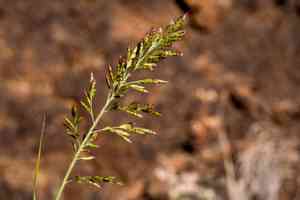
Cotta grass is efficiently multiplied by seeding. For successful cultivation, utilize new seeds to enhance the sprouting percentage. Seeds ought to be planted in soil that drains well, situated in a sun-exposed area. Consistent irrigation is vital until sprouting occurs, subsequently, the watering schedule can be lessened. To achieve the best outcomes, offering a light, sandy substrate that imitates cotta grass's native environment is advantageous.
Optimal Time for Cotta Grass Propagation
Propagation Method
Seeding
Propagation Period
Spring
Tools for Cotta Grass Propagation
Seed trays
Seed trays are vital for propagating cotta grass via sowing, providing an organized space for seed distribution and development. These trays help maintain consistent soil conditions and moisture levels, which are essential for cotta grass seed germination. Their modular design allows for easy transplanting of seedlings without disturbing the root system.
Fine-grit vermiculite or perlite
These materials are used to cover cotta grass seeds after planting, aiding in moisture retention and providing aeration. The light nature of vermiculite or perlite promotes better drainage and prevents soil compaction, which is critical for the delicate roots of cotta grass during early growth.
Misting bottle
A misting bottle is essential for gently watering cotta grass seeds without dislodging them. Regular misting keeps the soil consistently moist, which is crucial for seed germination. The fine spray from a misting bottle ensures that small cotta grass seeds are not washed away or buried too deeply, promoting optimal growth conditions.
Labeling materials
Properly labeling seed trays with the plant species name and sowing date assists in monitoring the growth and development of cotta grass. Labels are important for maintaining an accurate propagation schedule, especially when cultivating multiple species simultaneously.
Grow lights (if indoors)
Grow lights provide necessary light spectrums, mimicking natural sunlight, to enhance the germination process of cotta grass when sown indoors. Sufficient light is crucial for healthy seedling growth. Grow lights also allow for controlled light exposure, ensuring cotta grass receives the optimal amount of light during critical early stages.
How to Propagate Cotta Grass?
Propagation Type
Simple
Caring for Your Newly Propagated Cotta Grass
Caring for Your Newly Propagated Cotta Grass
Post-propagation, ensure cotta grass receives full sun for peak growth. Water plants moderately, allowing the soil to dry between waterings. Apply a balanced fertilizer occasionally to support development. Monitor for pests and diseases, treating as needed to maintain plant health. Regularly remove weeds to reduce resource competition.
Common Errors to Avoid When Propagating Cotta Grass
Excessive watering during rooting
Too much moisture can lead to root rot, severely impacting cotta grass root development. Proper drainage and moderate watering are vital for healthy root growth.
Neglecting light requirements
Insufficient light can hinder cotta grass growth, resulting in weak or leggy plants. This error can reduce overall health and vigor, making the plant less likely to thrive after propagation.
Using unsterilized tools or containers
This can introduce pathogens and diseases to cotta grass, potentially leading to infections that can impede growth or even kill young plants.
Advice for Propagating Cotta Grass
Utilize well-draining soil
Ensuring the potting mix is well-aerated and drains properly helps prevent waterlogging, which is harmful to the root health of cotta grass.
Provide ample lighting
Ensuring cotta grass receives the correct amount of light will promote robust and healthy growth, essential for successful propagation.
Sanitize equipment before use
Using clean containers and tools helps protect cotta grass from diseases and pests, which is crucial for healthy propagation.



