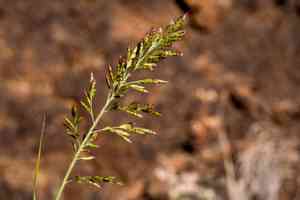
Cotta grass (Cottea pappophoroides)
Also known as: None
Cottea is a genus of grasses found in both North and South America. The sole species within this genus is Cottea pappophoroides. It is indigenous to areas including the southwestern United States (specifically southern Arizona, southern New Mexico, and western Texas), as well as Mexico, Ecuador, Peru, Bolivia, and Argentina. It's worth noting that Cottea sarmentosa, named in 1854, is now classified as Enneapogon desvauxii.
In This Article
Attributes of Cotta grass
Lifespan
Annual, Perennial
Plant Type
Grass
Plant Height
Approximately 30 to 50 cm
Spread
Varies greatly, can spread via rhizomes
Leaf Color
Green
Flower Size
Small, about 0.5 to 1 cm
Flower Color
Greenish or pale
Images of Cotta grass
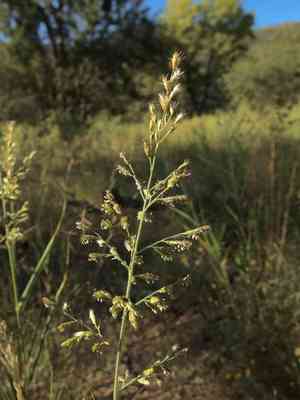
Quickly Identify Cotta grass
1
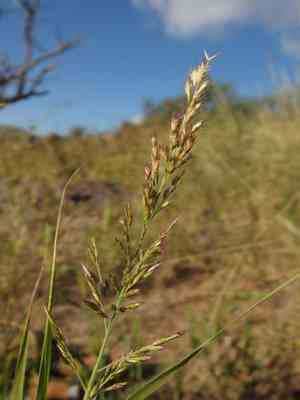
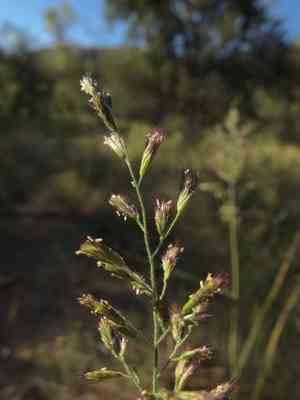
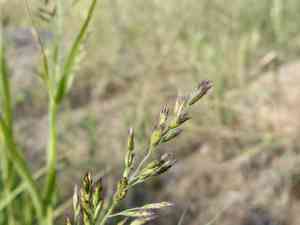
This species can be identified by its flexible stems, narrow linear leaves, and the presence of hairy spikelets that distinguish it from other grasses.
Scientific Classification of Cotta grass
Phylum
Vascular plants
Class
Monocotyledons
Order
Poales
Family
Grass
Genus
Cotta grass
Species
Cotta grass
Planting and Growing of Cotta grass
Care Difficulty
Easy
Watering Schedule
Every 4 days
Sunlight Requirements
Full sun
Sunshine Duration
4-8 hours
Ideal Temperature
75-86℉
Soil Type
Potting Mix, Peat Mix
Soil pH
6.5-7.5
Fertilizer Type
Balanced
Pruning Season
Spring, Summer
Pruning Area
Branches, Leaves
Pruning Frequency
2 times a year
Repotting Season
Spring
Pot Type
Plastic, Ceramic
 How to Water Cotta grass?
For Cottea pappophoroides, aim to water with around 250 milliliters each time. The soil should be allowed to dry out significantly between waterings to mimic its natural habitat. Make sure the pot has proper drainage to prevent water from pooling, which can harm the roots.
What are the symptoms of an underwatered Cotta grass?
›
What should I do if my Cotta grass is not getting enough water?
›
What are the symptoms of an overwatered Cotta grass?
›
How to save an overwatered Cotta grass?
›
 What Are the Sunlight Requirements for Cotta grass?
The ideal light range for Cottea pappophoroides is partial to full sun. This range supports healthy growth, photosynthesis, and flowering, ensuring the plant maintains its vigor and aesthetic appeal.
What is the ideal sunlight requirement for Cottea pappophoroides?
›
How do I achieve the ideal lighting for this plant?
›
What benefits does this ideal lighting provide?
›
 What Is the Ideal Temperature Range for Cotta grass?
The ideal temperature range for Cottea pappophoroides is between 75°F and 86°F. Within this range, the plant can efficiently carry out its physiological processes such as photosynthesis and transpiration. The temperature promotes healthy growth and helps in achieving a robust structure.
 What Soil is Best for Cotta grass?
Cottea pappophoroides thrives in well-draining soils. Proper drainage prevents root rot and ensures the plant absorbs necessary nutrients efficiently, promoting healthier growth and vitality. This plant prefers nutrient-rich soils, which facilitate robust growth. Soils with essential nutrients provide the plant with the energy required for optimal development and flowering. Good soil aeration is crucial as it allows roots to breathe and access oxygen. Aerated soils help the plant develop a strong root system, improving its resistance to environmental stressors.
 How to Fertilize Cotta grass?
Cottea pappophoroides benefits from moderate fertilization, where the quantity needs to be balanced to avoid nutrient stress. For liquid fertilizer, use about 150-200 ml per plant, ensuring even distribution. When using slow-release fertilizer, apply approximately 50 grams per square meter, which should sustain the plant for a longer period, breaking down gradually as the plant absorbs nutrients.
 How to Prune Cotta grass?
Begin by identifying and removing any dead or decaying branches. This not only improves the plant's appearance but also prevents disease spread. Look for branches that are discolored or lack leaves. Trim the plant to encourage a balanced, aesthetically pleasing shape. Decide on the desired form and carefully cut back overgrown stems, keeping the plant symmetrical and compact. Pinch back the tips of the plant to encourage denser growth. By doing so, you stimulate new shoots to grow at the base, resulting in a fuller plant. After pruning, ensure all debris and cuttings are removed from around the plant. This minimizes the risk of pests and diseases finding a home among the decaying plant material.
More About Pruning Techniques→
 How to Propagate Cotta grass plant?
1
Fill seed trays with a suitable potting mix, ensuring it is evenly spread and lightly firmed down. The soil should be moist but not waterlogged to promote seed germination.
2
Scatter the seeds evenly over the prepared soil surface. A light dusting of soil can be applied on top to cover the seeds, ensuring they are not buried too deeply.
3
Water the seed trays gently to ensure the soil is consistently moist. Place the trays in a warm, well-lit area, avoiding direct sunlight that could cause overheating.
 How to Repot Cotta grass plant?
1
You should consider repotting Cottea pappophoroides when you notice roots starting to overgrow and coil inside the pot, or when the soil is no longer draining efficiently. If you see wilting despite regular watering, these are signals that your plant needs more room to thrive.
2
Select a pot that is one size larger than the current one, ensuring it has ample drainage holes to prevent waterlogging. Opting for materials like terracotta can help wick away excess moisture, providing an environment that mimics natural arid conditions, which is perfect for Cottea pappophoroides.
3
Choose a sandy, well-draining soil mix that supports Cottea pappophoroides' natural habitat. Incorporating gravel or small stones ensures optimal drainage and air circulation around the roots, reducing the risk of root rot and fostering healthy growth.
Toxicity
Ingestion
WARNING
The judgment on toxicity and danger is for reference only. We DO NOT GUARANTEE any accuracy of such judgment. Therefore, you SHALL NOT rely on such judgment. It is IMPORTANT TO SEEK PROFESSIONAL ADVICE in advance when necessary.
Learn More About Cotta grass Diseases
Anthracnose
Bacterial Leaf Spot
Bacterial Soft Rot
Bacterial Wilt
Black Spot
Chemical Injury
Crown Gall
Cyst Nematode
Damping-off
Downy Mildew
Drought Stress
Fusarium Wilt
Gray Mold
Leaf Spot
Mosaic
Nutrient Deficiency
Nutrient Toxicity
Powdery Mildew
Root Rot
Root-knot Nematode
Rusts
Sooty Mold
Spider Mites
Temperature Stress
Thrips Damage
White Mold



