How to Prune Tibetan cotoneaster?
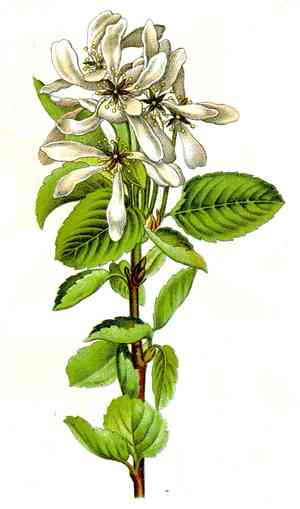
Cotoneaster tibeticus is recognized for its expansive limbs and diminutive, vibrant fruits. Perform pruning in late winter or early spring prior to the emergence of new foliage. Initially, eliminate any deceased or compromised wood, then sculpt the plant by trimming back excessively long branches to robust buds or side shoots. Reducing density in the core section enhances air movement and light exposure. Consistent trimming encourages denser development and boosts fruit yield. Always employ sanitized, keen implements to avert illness.
Advantages of Trimming Tibetan Cotoneaster
Advantages of Trimming Tibetan Cotoneaster
Tibetan cotoneaster benefits from trimming by fostering robust development and preserving a desired form. Pruning aids in managing size, enhancing overall look, and promoting healthier, more resilient plants. Regular trimming also assists in lowering the risk of pests and illnesses.
Optimal Period for Pruning Tibetan Cotoneaster
Optimal Period for Pruning Tibetan Cotoneaster
Pruning tibetan cotoneaster during early spring or late winter is ideal as the plant is dormant or just beginning to emerge. This timing minimizes plant stress and encourages vigorous growth once the growing season commences. Furthermore, pruning before the active growth phase helps effectively shape the plant and ensures better health and structure, while maximizing flowering and fruiting potential.
Tools Required for Pruning Tibetan Cotoneaster
Bypass Pruners
Bypass pruners are crucial for making precise cuts on the thinner stems and branches of tibetan cotoneaster. These are perfect for maintaining its shape and removing dead or damaged wood.
Loppers
Loppers are essential for cutting through thicker branches that hand pruners cannot manage. They provide the necessary leverage to safely and cleanly cut branches up to 2 inches in diameter, which is useful for more mature shrubs.
Pruning Saw
A small pruning saw is recommended for branches exceeding 2 inches in diameter. This tool ensures that larger cuts are made smoothly and prevents plant damage.
Hand Shears
Hand shears are excellent for trimming smaller, soft growth and for shaping tibetan cotoneaster to encourage denser growth.
Gloves
Wearing gardening gloves is important to protect your hands from thorns and reduce the risk of injury during pruning.
Disinfectant
Using a disinfectant to clean tools before and after pruning helps prevent the spread of diseases among plants.
How to Prune Tibetan Cotoneaster
Inspect
Carefully examine tibetan cotoneaster to identify parts requiring pruning, such as diseased leaves, withered leaves, dead branches, and diseased branches.
Clean tools
Ensure your pruning tools are clean and sharp to prevent disease transmission and to make accurate cuts.
Remove Diseased Leaves
Trim off any diseased leaves carefully, making clean cuts at the base where the leaf meets the stem.
Remove Withered Leaves
Prune away any withered leaves, cutting them off at the base similarly to ensure the plant's energy is directed towards healthy growth.
Prune Dead and Diseased Branches
Cut off dead and diseased branches, making the cuts slightly above a healthy bud or stem to encourage new growth while maintaining the plant's shape.
Common Pruning Errors with Tibetan Cotoneaster
Over-pruning
Many gardeners make the error of pruning too much at once, which can stress tibetan cotoneaster and diminish its flowering potential.
Incorrect cuts
Improper cutting techniques, such as making cuts too close to a bud or leaving stubs, can lead to poor healing and increase the likelihood of disease.
Pruning at the wrong time
Pruning tibetan cotoneaster at inappropriate times can remove flower buds and reduce the display for the subsequent season.
Ignoring dead or diseased wood
Neglecting to remove dead, diseased, or damaged branches can result in poor plant health and reduced vigor.
General Pruning Advice for Tibetan Cotoneaster
Use sharp tools
Always use sharp, clean pruning tools to make clean cuts that heal faster and minimize the risk of disease.
Remove dead or damaged wood
Begin by cutting away any dead, diseased, or damaged branches to encourage healthy growth and prevent the spread of pathogens.
Thin out crowded branches
Remove any crowded or crossing branches to improve air circulation and light penetration, which helps reduce disease and promotes healthier growth.
Make proper cuts
Cut back to a healthy outer bud or main branch, ensuring that cuts are clean and angled away from the bud to promote proper healing.
Maintain shape
Regularly prune to maintain the desired shape and size of tibetan cotoneaster, but avoid removing more than one-third of the plant’s total growth in a single session to prevent stress.



