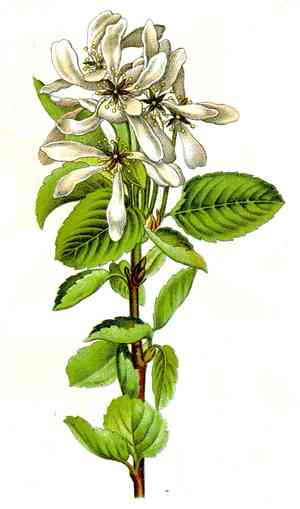
Tibetan cotoneaster(Cotoneaster conspicuus)

Tibetan cotoneaster (Cotoneaster conspicuus)

Also known as: Tibetan Cotoneaster, Large-fruited Cotoneaster

Tibetan cotoneaster (Cotoneaster conspicuus) is a resilient shrub characterized by its arching branches and small, glossy green leaves.

**Key Features:**
- **Size:** Reaches 3-6 feet in height and width.
- **Flowers:** Blooms in late spring to early summer with small, white or pale pink flowers.
- **Berries:** Produces vivid red or orange berries in late summer and fall.
- **Foliage:** Leaves are small and oval, turning reddish-purple in autumn.
- **Habit:** Dense growth, providing shelter for wildlife.

**Growing Requirements:**
- **Light:** Flourishes in full sun to partial shade.
- **Soil:** Prefers well-drained soil and is adaptable to various soil types including sandy, loamy, and clay.
- **Water:** Needs moderate watering and is drought-tolerant once established.
- **Climate:** Performs well in USDA zones 5-7, enduring cold and moderate heat.
- **Care:** Low-maintenance with occasional pruning to maintain its shape.

Ideal for borders, hedges, or ground cover, Tibetan cotoneaster is appreciated for its year-round ornamental value and its hardiness in diverse growing conditions.

Attributes of Tibetan cotoneaster

Lifespan
Perennial
Plant Type
Shrub
Plant Height
1.5 to 2 meters (5 to 6.5 feet)
Spread
1 to 2 meters (3 to 6.5 feet)
Leaf Color
Green
Flower Size
0.5 to 1 centimeter (0.2 to 0.4 inches)
Flower Color
White

ForwardPlant - Identify plants with a snap

Identify and diagnose plants, get toxicity alerts, and explore safety guides for all types of fungi.

Try for Free

Images of Tibetan cotoneaster

Tibetan cotoneaster(Cotoneaster conspicuus)

Quickly Identify Tibetan cotoneaster

1
Identify Cotoneaster conspicuus by its dense, bushy growth habit, small oval leaves, white flowers in clusters, and bright red, persistent berries. The branches tend to have a slightly arching form.

Scientific Classification of Tibetan cotoneaster

Phylum
Vascular plants
Class
Dicotyledons
Order
Rosales
Family
Rose
Genus
Cotoneaster
Species
Tibetan cotoneaster

Planting and Growing of Tibetan cotoneaster

Care Difficulty
Easy
Watering Schedule
Every 2 days
Sunlight Requirements
Partial sun
Sunshine Duration
4-8 hours
Ideal Temperature
50-77℉
Soil Type
Potting Mix, Peat Mix
Soil pH
6.5-7.5
Fertilizer Type
Balanced
Pruning Season
Spring, Summer
Pruning Area
Branches, Leaves
Pruning Frequency
2 times a year
Repotting Season
Spring
Pot Type
Plastic, Terracotta

water icon How to Water Tibetan cotoneaster?

For Cotoneaster conspicuus, aim to water thoroughly until the soil is consistently moist but not soggy. Each watering session should be about 500ml. The goal is to ensure the root zone is properly hydrated, helping the plant maintain healthy growth.
What are the symptoms of an underwatered Tibetan cotoneaster?
What should I do if my Tibetan cotoneaster is not getting enough water?
What are the symptoms of an overwatered Tibetan cotoneaster?
How to save an overwatered Tibetan cotoneaster?

sunlight icon What Are the Sunlight Requirements for Tibetan cotoneaster?

Sunlight Requirements: Partial sun
Duration of light: 4 to 6 hours
Cotoneaster conspicuus thrives best in partial sun, where it can enjoy a mix of sunlight throughout the day. Ideal lighting promotes lush foliage and prolific flowering, contributing to the plant’s aesthetic appeal and health.
How to achieve ideal lighting conditions?
What measures should be taken for ideal sunlight?
What are the benefits of ideal lighting?

temperature icon What Is the Ideal Temperature Range for Tibetan cotoneaster?

Ideal Temperature: 50 ~ 77℉
Cotoneaster conspicuus thrives between 50°F to 77°F. This temperature range supports optimal metabolic processes and promotes healthy growth. By maintaining these temperatures, the plant can efficiently photosynthesize, absorb water, and assimilate nutrients, ensuring vitality and robust development. Ideal conditions also reduce stress, minimizing the risk of diseases and pest infestations.

soil icon What Soil is Best for Tibetan cotoneaster?

Soil type: Loam, Sandy loam, Calcareous soil
Soil PH: 6.5 ~ 7.5
Cotoneaster conspicuus thrives in fertile soil packed with organic matter. This nutrient richness ensures robust growth and vibrant foliage, supporting the plant's overall health and resistance to diseases. The plant favors soil with excellent drainage capabilities. Well-draining soil prevents waterlogging, which can lead to root rot, thus safeguarding the roots and promoting vigorous development. A consistent moisture level in the soil is crucial for Cotoneaster conspicuus. While it tolerates moderate drought, stable moisture enhances flowering and fruit production, contributing to a lush appearance.

fertilize icon How to Fertilize Tibetan cotoneaster?

Fertilizer type: Balanced
For Cotoneaster conspicuus, the recommended fertilizer amount depends on the plant's size and age. Generally, during the active growing season, use a balanced liquid fertilizer diluted to half the recommended strength. Apply approximately 100ml of this solution for every 30cm of plant height. Avoid over-fertilizing, as this can lead to nutrient burn.

prune icon How to Prune Tibetan cotoneaster?

Pruning Time: Spring, Summer, Autumn
Be mindful not to prune just before or during flowering, as this could limit the number of blossoms. Ideally, perform major pruning after the shrub has flowered, allowing it to develop next season's blooms without disturbance. Always use clean, sharp pruning tools to avoid transmitting diseases. Sterilize your pruners before and after use with a solution of bleach and water or rubbing alcohol. This ensures that your plants remain healthy and your cuts are precise. More About Pruning Techniques

propagate icon How to Propagate Tibetan cotoneaster plant?

Propagate Time: Spring,Early spring,Late spring
1
To prepare Cotoneaster conspicuus seeds, begin by soaking them in water for 24 hours to soften the outer coat and enhance germination rates. After soaking, stratify the seeds by placing them in a moist medium in the refrigerator for 2-3 months to mimic winter conditions.
2
Select healthy, non-flowering stems for cuttings. Cut about 6 inches long pieces with at least two nodes. Remove the leaves from the lower half and dip the cut end in rooting hormone to improve rooting success.
3
For layering, select a low-growing branch and bend it to the ground. Nick the bark slightly at a point where it touches the soil and cover it with soil, securing it in place until roots develop.
More About Propagating Techniques

repot icon How to Repot Tibetan cotoneaster plant?

Repotting frequency: Every 2-3 years
1
Repot Cotoneaster conspicuus when you notice signs of root crowding, such as roots emerging from the drainage holes or circling around the root ball. The best time to repot is during spring, as the plant will be entering its active growth phase. This ensures that the plant can recover quickly and establish itself in the new pot.
2
Select a pot that is one size larger than the current one, with good drainage holes. A slightly larger pot prevents waterlogging and supports healthy root growth, allowing the plant to grow without being cramped. The material can be clay or plastic, both offering adequate support; clay provides better breathability, while plastic retains moisture longer.
3
Opt for a well-draining potting mix, possibly enriched with organic matter. This enhances the soil's structure and provides necessary nutrients. A well-draining mix prevents water from accumulating around the roots, thus minimizing the risk of root rot and supporting healthy plant growth.

ForwardPlant - Identify plants with a snap

Find the best spots for them to optimize their health, simply using your phone.

Try for Free

Toxicity

Ingestion of berries, leaves, or seeds

Identify toxic plants for your safety

Learn which plants are harmful to you and your pets, and make informed choices for a safer home!

Try for Free
WARNING
The judgment on toxicity and danger is for reference only. We DO NOT GUARANTEE any accuracy of such judgment. Therefore, you SHALL NOT rely on such judgment. It is IMPORTANT TO SEEK PROFESSIONAL ADVICE in advance when necessary.

