How to Propagate Tibetan cotoneaster?
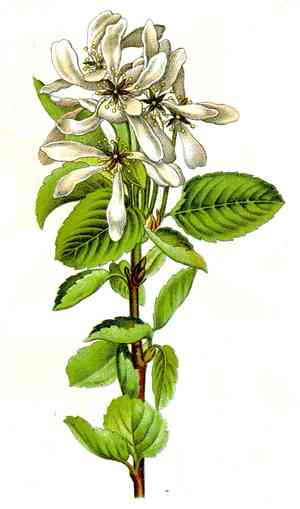
Cotoneaster tibeticus is an attractive bush recognized for its lustrous foliage and vibrant crimson fruit. To propagate, utilize semi-hardwood sections. Cut 4-6 inch segments with a keen implement, making sure each possesses a pair of leaf nodes, and detach the bottom leaves. Submerge in rooting compound prior to inserting into a porous substrate. Maintain steady dampness and diffused illumination for successful root development.
Optimal Period for Tibetan Cotoneaster Propagation
Propagation Method
Cutting
Propagation Period
Autumn,Winter
Tools for Tibetan Cotoneaster Propagation
Pruning Shears
Crucial for obtaining tibetan cotoneaster cuttings. These shears enable precise cuts, vital for the plant's healing process and stimulating new growth. Ensure they are sharp and sanitized to prevent disease spread.
Rooting Hormone
Aids in fostering root growth for tibetan cotoneaster cuttings. Applying this hormone to the cut end promotes faster, stronger root development, boosting propagation success.
Seed Tray or Propagation Tray
Essential for planting tibetan cotoneaster cuttings. These trays typically feature drainage holes to prevent excessive moisture, which can cause decay. They offer a controlled setting for nurturing young plants.
Plastic Dome or Propagation Lid
Used to maintain a moist atmosphere around tibetan cotoneaster cuttings. A plastic dome helps retain humidity and warmth, both critical for root development in cuttings.
Misting Bottle
Key for keeping tibetan cotoneaster cuttings damp without over-saturating them. Regular misting prevents dehydration and replicates the humid conditions needed for successful rooting.
Sterilized Potting Mix
Necessary for planting tibetan cotanaster cuttings. A high-quality, well-draining potting mix ensures the cuttings receive the correct balance of air and moisture for healthy root development.
Heat Mat
Beneficial for maintaining consistent soil temperatures for tibetan cotoneaster cuttings. A heat mat can provide the warmth required to encourage quicker root formation, especially in cooler climates.
Tags/Labels
Important for identifying tibetan cotoneaster cuttings. Using tags or labels helps track different varieties or propagation dates, ensuring organized cultivation.
How to Propagate Tibetan Cotoneaster?
Propagation Type
Moderately Difficult
Caring for Your Newly Propagated Tibetan Cotoneaster
Caring for Your Newly Propagated Tibetan Cotoneaster
Once cuttings have established a strong root system, gradually introduce them to outdoor conditions by reducing humidity and increasing light. Transfer them to individual pots or directly into the garden, ensuring well-draining soil. Water consistently, avoiding waterlogging. Fertilize sparingly to encourage growth, and inspect for pests or diseases. Prune as needed to maintain shape and promote fuller growth.
Common Errors to Avoid When Propagating Tibetan Cotoneaster
Overwatering
Excessive moisture can lead to root rot and fungal infections, significantly reducing the plant's chances of successful propagation.
Incorrect Soil Use
Employing soil that retains too much water or lacks proper drainage can cause roots to suffocate and fail to establish.
Inadequate Light
Insufficient light can result in weak, leggy growth, impacting the plant's overall health and its ability to develop strong roots.
Improper Pruning
Failing to prune correctly or taking cuttings from unhealthy plant sections can lead to poor propagation outcomes and introduce pathogens to new plants.
Neglecting Hardening Off
Moving the plant directly from indoor conditions to full outdoor exposure without gradual acclimatization can cause shock and stress.
Tips For Propagating Tibetan Cotoneaster
Use Well-Draining Soil
Ensure the soil mixture drains effectively to prevent waterlogging. An ideal mix for propagating tibetan cotoneaster should balance organic matter with grit or sand.
Maintain Moderate Moisture
Keep the soil adequately moist but not saturated. Allow the top layer of soil to dry slightly between waterings to prevent rot.
Provide Adequate Light
Position the cuttings or newly planted structures in a spot receiving bright, indirect light to encourage healthy growth without risking leaf scorch.
Prune Properly
Take cuttings from healthy, disease-free parts of tibetan cotoneaster. Use clean, sharp tools for precise cuts to minimize the risk of introducing infections.
Gradually Acclimatize
If moving propagated plants outdoors, gradually expose them to outdoor conditions over 7-10 days to harden them off and reduce transplant shock.



