How to Prune Peking cotoneaster?
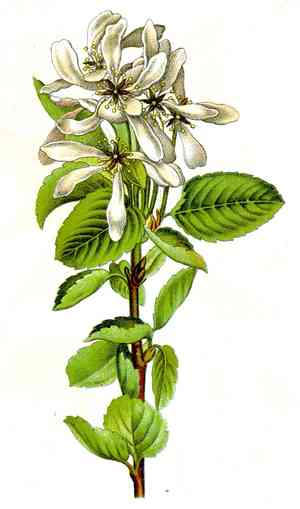
Cotoneaster pekinensis is recognized for its thick, lustrous leaves and appealing fruit. Trimming ought to occur in late winter or early spring to sculpt the shrub, eliminate deceased or compromised branches, and encourage robust development. Concentrate on reducing congested limbs to enhance air movement. Consistent trimming aids in averting ailments and sustaining a controllable stature. Verify that implements are keen and sanitized to prevent harming the specimen. Referring to authoritative gardening manuals can maximize outcomes.
Advantages of Trimming Peking Cotoneaster
Advantages of Trimming Peking Cotoneaster
Trimming peking cotoneaster is beneficial as it promotes robust development and helps maintain the plant's form. Pruning eliminates dead or diseased limbs, improving air movement and light exposure, which fosters overall plant vitality and lowers the chance of pests and illnesses.
Optimal Time for Pruning Peking Cotoneaster
Optimal Time for Pruning Peking Cotoneaster
Pruning peking cotoneaster during late winter or early spring is ideal due to its growth cycle. This timing ensures that the plant is still dormant or just starting to wake from dormancy, minimizing stress and allowing for healthy new growth. Additionally, pruning during these seasons helps to avoid interfering with the plant's flowering and fruiting periods, promoting better health and a more robust appearance.
Tools Required for Pruning Peking Cotoneaster
Bypass Pruners
Bypass pruners are ideal for making clean cuts on live branches and stems up to 1/2 inch in diameter. They help maintain plant health by reducing the chances of crushing or damaging the wood of peking cotoneaster.
Loppers
Loppers are designed for cutting thicker branches, typically 1/2 inch to 1 1/2 inches in diameter. These are essential for peking cotoneaster due to its dense and somewhat hardy growth habit.
Pruning Saw
A pruning saw is necessary for branches that exceed 1 1/2 inches in diameter. The fine, sharp teeth of a pruning saw allow for precise cuts, minimizing damage to larger branches of peking cotoneaster.
Hedge Shears
Hedge shears are effective for shaping and maintaining the overall form of peking cotoneaster. They are useful for trimming multiple small branches at once, especially when maintaining a desired structure or formal hedge appearance.
Pole Pruner
For higher branches that are otherwise difficult to reach, a pole pruner ensures safety and efficiency without the need for ladders. It's particularly useful for maintaining the upper structure of peking cotoneaster.
Hand Pruners
Smaller or more delicate tasks require the fine control offered by hand pruners. These are very useful for detailed work on smaller twigs and fine-tuning the shape of peking cotoneaster.
How to Prune Peking Cotoneaster
Inspect
Examine peking cotoneaster thoroughly to identify any diseased leaves, withered leaves, dead branches, and diseased branches. Use sterilized pruning tools to prevent spreading infections.
Remove Diseased Leaves
Carefully trim away any diseased leaves. Cut at the base of the leaf stem, ensuring you do not damage healthy tissue.
Cut Withered Leaves
Prune withered leaves by trimming them close to the branch where they are attached. This will help redirect the plant's energy to healthy growth.
Pruning Dead Branches
Identify dead branches which often appear discolored or brittle. Cut these branches back to the nearest healthy growth point or to the main stem to ensure proper healing.
Remove Diseased Branches
Trim diseased branches by making clean cuts well below the affected area to healthy wood. Dispose of any infected plant material to prevent further spread of disease.
Common Pruning Mistakes with Peking Cotoneaster
Over-pruning
Removing too much foliage can stress peking cotoneaster, reducing its ability to photosynthesize effectively and making it more susceptible to disease.
Pruning too late
Pruning too late in the growing season can lead to new growth that is not hardened off before winter, resulting in winter damage.
Incorrect cuts
Making improper cuts, such as leaving stubs or making cuts that are too close to the main stem, can lead to poor healing and increase the risk of disease.
Ignoring dead or diseased branches
Failing to remove dead, diseased, or damaged branches can allow disease to spread throughout the plant.
Common Pruning Tips for Peking Cotoneaster
Sanitize tools
Always sanitize pruning tools before and after use to prevent the spread of disease.
Use sharp tools
Ensure that pruning tools are sharp to make clean cuts that heal more quickly and reduce the risk of disease.
Remove suckers
Regularly remove any suckers growing from the base to direct energy to the main plant structure.
Thin out crowded branches
Thin out dense, crowded branches to improve air circulation and light penetration, which promotes healthier growth.
Make angle cuts
Cut branches at an angle to allow water to drain off, reducing the risk of rot and disease.
Watch for crossing branches
Remove branches that cross each other to prevent damage from rubbing and to improve the overall structure and appearance of peking cotoneaster.
Follow natural shape
Prune in a way that maintains the natural shape of peking cotoneaster, avoiding severe shaping or topping.



