Peking cotoneaster(Cotoneaster acutifolius)

Peking cotoneaster (Cotoneaster acutifolius)

Also known as: Peking Cotoneaster, Rockspray Cotoneaster

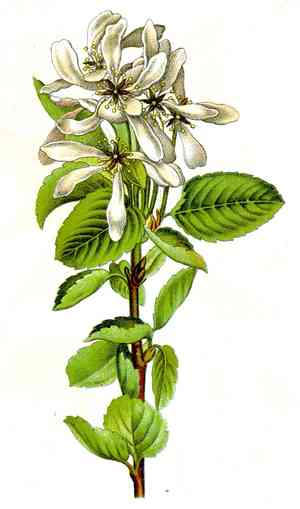
Peking cotoneaster (Cotoneaster acutifolius) is a hardy deciduous shrub known for its angular branches and finely serrated dark green leaves. In late spring, it blooms with an abundance of small, pinkish-white flowers, which later transform into small black berries that persist into winter, adding visual interest. This adaptable shrub thrives in a variety of conditions, making it a popular choice in landscape design for its aesthetic charm and resilience. It is often utilized for creating privacy screens, ornamental hedges, and providing seasonal color with minimal maintenance requirements. Additionally, its dense root system makes it suitable for erosion control on slopes.

Attributes of Peking cotoneaster

Lifespan
Perennial
Plant Type
Shrub
Plant Height
1.8 m to 3 m
Spread
1 to 1.5 meters
Leaf Color
Dark green in summer, reddish-purple in fall
Flower Size
About 5 mm
Flower Color
White to pink

ForwardPlant - Identify plants with a snap

Identify and diagnose plants, get toxicity alerts, and explore safety guides for all types of fungi.

Try for Free

Images of Peking cotoneaster

Peking cotoneaster(Cotoneaster acutifolius)

Quickly Identify Peking cotoneaster

1
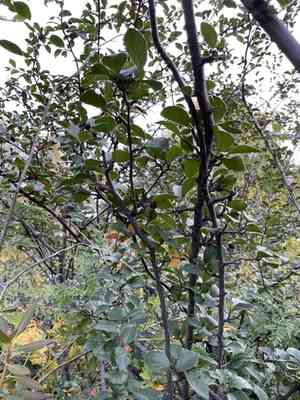
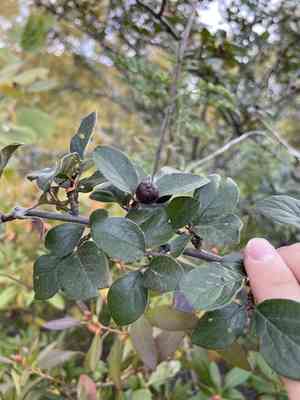
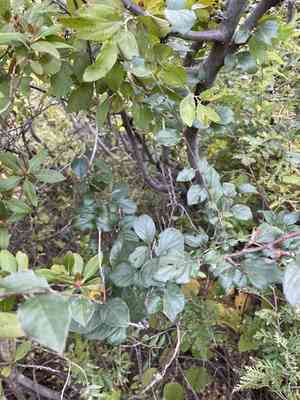
Identify Cotoneaster acutifolius by its stiff, upright branches, dark green leaves that turn reddish-purple in fall, small white to pink flowers, and black or dark purple berries. The leaves are elliptic and have a pointed tip.

Scientific Classification of Peking cotoneaster

Phylum
Vascular plants
Class
Dicotyledons
Order
Rosales
Family
Rose
Genus
Cotoneaster
Species
Peking cotoneaster

Planting and Growing of Peking cotoneaster

Care Difficulty
Easy
Watering Schedule
Every 2 days
Sunlight Requirements
Full sun
Sunshine Duration
6-10 hours
Ideal Temperature
60-75℉
Soil Type
Potting Mix, Peat Mix
Soil pH
6.5-7.5
Fertilizer Type
Balanced
Pruning Season
Spring, Summer
Pruning Area
Branches, Leaves
Pruning Frequency
2 times a year
Repotting Season
Spring
Pot Type
Plastic, Ceramic

water icon How to Water Peking cotoneaster?

For Cotoneaster acutifolius, each watering session should ensure that the soil is thoroughly moistened, but not soggy. A moderate 500 ml of water is usually sufficient to fully hydrate the soil around the plant’s root ball, allowing deep root growth.
What are the symptoms of an underwatered Peking cotoneaster?
What should I do if my Peking cotoneaster is not getting enough water?
What are the symptoms of an overwatered Peking cotoneaster?
How to save an overwatered Peking cotoneaster?

sunlight icon What Are the Sunlight Requirements for Peking cotoneaster?

Sunlight Requirements: Full sun, Partial sun
Duration of light: 6 to 8 hours
Cotoneaster acutifolius prefers full to partial sun exposure, flourishing in ample sunlight. Proper lighting stimulates strong growth, enhances leaf coloration, and boosts flowering and berry yield, ensuring a healthy, attractive plant.
What is the best location for Cotoneaster acutifolius?
How can I adjust lighting if the sun is too harsh?
What are the benefits of ideal light conditions for this plant?

temperature icon What Is the Ideal Temperature Range for Peking cotoneaster?

Ideal Temperature: 60 ~ 75℉
The ideal temperature range for Cotoneaster acutifolius is between 60°F and 75°F. This range supports optimal growth and health, allowing the plant to thrive and produce vibrant foliage. Temperatures within this range ensure that the plant's metabolic processes are most efficient, which is crucial for photosynthesis and nutrient absorption. Maintaining this environment will reduce stress on the plant, minimizing susceptibility to pests and diseases.

soil icon What Soil is Best for Peking cotoneaster?

Soil type: Loam, Sandy loam, Calcareous soil
Soil PH: 6.5 ~ 7.5
Cotoneaster acutifolius thrives in well-drained soil that prevents waterlogging, which can lead to root rot. Ensuring good drainage helps the plant to absorb nutrients effectively and maintain a healthy root system. This plant prefers moderately moist soil that mimics its natural habitat. Keeping the soil evenly moist supports its growth, ensuring that it receives the necessary water to sustain its foliage and produce flowers and berries. A nutrient-rich substrate is essential for Cotoneaster acutifolius to support vigorous growth. Incorporating organic matter such as compost into the soil enriches it with essential nutrients, promoting lush leaves and healthy development.

fertilize icon How to Fertilize Peking cotoneaster?

Fertilizer type: Balanced
For Cotoneaster acutifolius, use a balanced fertilizer with equal parts N-P-K (such as 10-10-10). Apply liquid fertilizers at a concentration of 1-2 tablespoons per gallon of water. For slow-release fertilizers, use approximately 1-2 pounds per square foot of soil. Adjust according to plant response and soil conditions.

prune icon How to Prune Peking cotoneaster?

Pruning Time: Spring, Summer
Start pruning by removing dead, damaged, or diseased branches to keep the plant healthy. Cut back overly long stems to enhance the plant's natural shape and promote bushier growth. Use pruning shears to maintain the desired size and shape of the plant. Focus on keeping the plant compact by cutting back longer branches, ensuring growth is directed towards desirable shoots. More About Pruning Techniques

propagate icon How to Propagate Peking cotoneaster plant?

Propagate Time: Spring, Early summer
1
Choose ripe seeds from a healthy Cotoneaster acutifolius plant. Ensure the seeds are intact and free from any signs of disease or pest infestation to increase germination success.
2
Take cuttings from a mature plant during early summer or spring, ensuring to use a sharp tool to create a clean cut just below a leaf node. Strip off the lower leaves to reduce water loss and place them in water or rooting hormone before planting.
3
For layering, select a low branch and bend it to the ground, securing it with a pin or weight. Slightly wound the branch at the contact point with soil to encourage rooting, and cover it with soil, keeping it moist until roots develop.
More About Propagating Techniques

repot icon How to Repot Peking cotoneaster plant?

Repotting frequency: Every 2-3 years
1
Cotoneaster acutifolius shows signs that it needs repotting when the roots start emerging from drainage holes or become densely packed and birled at the surface. Significant reduction in growth or yellowing leaves can also indicate it's time for a change.
2
Select a pot that is 2 inches larger in diameter than the current one to offer ample space for root expansion. Ensure it has drainage holes to prevent waterlogging, which can cause root rot. The bigger pot provides stability and room for healthy growth.
3
Opt for a gritty, well-draining potting mix incorporating materials like coarse sand or perlite. This type of soil mimics their natural habitat, avoiding water retention and fostering a strong root system, crucial for flourishing growth.

ForwardPlant - Identify plants with a snap

Find the best spots for them to optimize their health, simply using your phone.

Try for Free

Toxicity

Ingestion

Identify toxic plants for your safety

Learn which plants are harmful to you and your pets, and make informed choices for a safer home!

Try for Free
WARNING
The judgment on toxicity and danger is for reference only. We DO NOT GUARANTEE any accuracy of such judgment. Therefore, you SHALL NOT rely on such judgment. It is IMPORTANT TO SEEK PROFESSIONAL ADVICE in advance when necessary.