How to Propagate Peking cotoneaster?
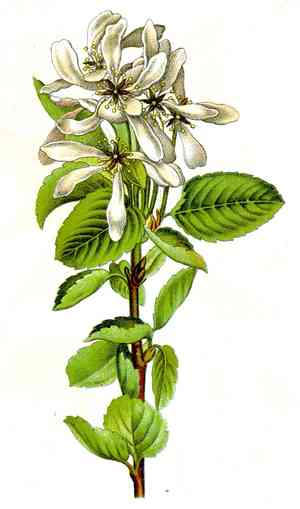
Peking cotoneaster is a deciduous shrub recognized for its thick, curving limbs and diminutive, lustrous foliage. For successful propagation of peking cotoneaster via cuttings, collect semi-hardwood cuttings during the summer season. Verify that the cuttings possess robust nodes and apply a rooting stimulant. Insert them into a well-draining, damp substrate, and sustain elevated humidity through frequent spraying. After rooting, transfer them into separate containers for continued development prior to outdoor placement.
What Is the Best Time To Propagate Peking Cotoneaster?
Propagation Type
Cutting
Propagation Season
Autumn,Winter
What Tools Are Used in Peking Cotoneaster Propagation?
Pruning Shears
Utilized for obtaining clean, precise peking cotoneaster cuttings. Sharp, high-quality pruning shears minimize plant tissue damage, vital for successful rooting.
Rooting Hormone
This substance promotes root growth in peking cotoneaster cuttings. Applying it to the cut end before planting significantly boosts root formation and propagation success.
Propagation Trays
Peking cotoneaster cuttings can be placed in these trays filled with a suitable growing medium. They offer a controlled environment for optimal root growth and consistent moisture.
Misting System
A misting system or spray bottle keeps peking cotoneaster cuttings hydrated with a fine spray. Consistent humidity is crucial to prevent drying and encourage root development.
Sterilized Growth Medium
A high-quality, well-draining propagation mix like perlite, vermiculite, or peat and sand ensures peking cotoneaster cuttings get necessary aeration and moisture. Sterilization prevents fungal issues.
Heat Mat
Placed beneath propagation trays, heat mats provide warmth to the bottom, accelerating peking cotoneaster root development. Consistent temperature improves overall cutting success.
Labels and Markers
Labeling peking cotoneaster cuttings with details like date and type helps track progress and manage different batches effectively.
Transplant Trowel
A small trowel is key for carefully moving rooted peking cotoneaster cuttings to larger pots or their final spot. It minimizes root disturbance for healthy growth.
How to Propagate Peking Cotoneaster?
Propagation Type
Moderately Difficult
How to Care for Your Newly Propagated Peking Cotoneaster?
How to Care for Your Newly Propagated Peking Cotoneaster?
After propagation, ensure young peking cotoneaster plants adapt well to outdoor conditions. Plant them in well-draining soil with full to partial sun. Water regularly to keep soil moist but not soggy. Mulch around the base to retain moisture and control weeds. Prune as needed to maintain shape and encourage healthy growth.
Common Mistakes to Avoid When Propagating Peking Cotoneaster
Overwatering
Excessive moisture can lead to root rot, impeding root development and potentially killing cuttings.
Improper Soil Mix
Using dense or poorly draining soil can suffocate roots, making it hard for cuttings to establish.
Inadequate Light
Too much shade hinders photosynthesis, while excessive direct sunlight can dehydrate and stress the plant.
Neglecting Sanitation
Unsterilized tools or containers can introduce pathogens, causing diseases and propagation failures.
Ignoring Humidity
Failure to maintain proper humidity levels can dry out cuttings, reducing their chances of successful rooting.
Tips For Propagating Peking Cotoneaster
Optimal Soil Mix
Utilize a well-draining soil blend of equal parts perlite, peat moss, and sand for proper aeration and drainage.
Controlled Watering
Keep the soil consistently damp but not waterlogged. Lightly mist the soil with a spray bottle to maintain moisture.
Adequate Lighting
Position cuttings in bright, indirect light to ensure sufficient sun exposure without scorching.
Sterile Tools
Sanitize all tools and containers before beginning the propagation process to minimize disease risk.
Maintain Humidity
Cover cuttings with a plastic dome or use a humidity tray to keep the environment moist, reducing water loss and aiding root development.



