How to Prune Mountain coronilla?
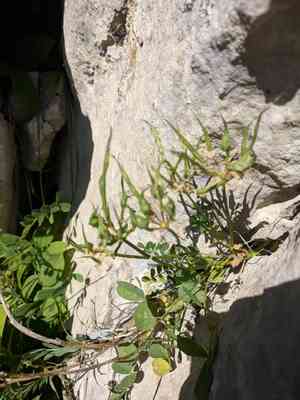
The mountain coronilla, known for its vibrant yellow blossoms and bushy habit, thrives with consistent trimming to preserve its form and vitality. Perform pruning on mountain coronilla during springtime to eliminate any deceased or compromised branches, and foster blooming by snipping off spent flowers in the summer. A gentle trim in autumn can also aid in shaping the plant for the subsequent growing period. Effective pruning not only encourages development but also elevates the plant's aesthetic appeal, ensuring it remains dense and lively. Refrain from extensive winter pruning to guard against frost-related harm.
Advantages of Trimming Mountain Coronilla
Advantages of Trimming Mountain Coronilla
Trimming mountain coronilla promotes robust development and maintains its dense form. Consistent cutting aids in revitalizing the plant, ensuring strong health and an attractive appearance.
Optimal Time for Trimming Mountain Coronilla
Optimal Time for Trimming Mountain Coronilla
Trimming mountain coronilla in Spring is ideal as it stimulates new growth and assists in shaping the plant before the start of the active growing season. Summer trimming is beneficial for removing any diseased or overgrown branches, thereby preserving plant health and aesthetics. Furthermore, trimming in Fall is essential for eliminating spent flowers and preparing mountain coronilla for the dormant winter period, enhancing overall resilience and ensuring vigorous spring growth.
Tools Required for Trimming Mountain Coronilla
Hand Pruners
Perfect for making precise cuts on thinner stems and branches of mountain coronilla. Hand pruners enable clean, close cuts without harming the plant's delicate tissues.
Pruning Shears
Best for cutting through slightly thicker branches, ensuring quick and efficient trimming to maintain the shape of mountain coronilla.
Lopping Shears
Useful for larger, woodier stems and branches, where additional leverage is necessary. These shears can manage the tougher parts of mountain coronilla without tiring the gardener's hands.
Pruning Saw
Essential for the thickest branches that shears cannot manage. This tool helps in making clean cuts through substantial wood material, crucial for the health and appearance of mountain coronilla.
How to Trim Mountain Coronilla
Identify
Pinpoint the diseased leaves, withered leaves, dead branches, and diseased branches on mountain coronilla. Carefully look for any indications of discoloration, wilting, or unusual growth that signifies the parts of mountain coronilla needing removal.
Sanitation
Disinfect your trimming tools before beginning and between cuts if moving from unhealthy to healthy sections. Use alcohol or a bleach solution to prevent disease spread.
Trim leaves
Carefully trim the diseased and withered leaves near the base of each leaf stem, ensuring not to harm the healthy leaves and stems of mountain coronilla. This helps maintain the aesthetic of mountain coronilla and healthy growth.
Trim branches
Remove dead and diseased branches. Use sharp, clean pruning shears to make clean cuts on dead and diseased branches of mountain coronilla. Cut back to healthy wood, ideally just above a leaf node or bud to encourage new growth.
Cleanup
Gather and dispose of all trimmed materials from around mountain coronilla to prevent any potential spread of disease. Clean the area thoroughly and discard the waste in a way that won't contaminate compost or other garden areas.
Common Trimming Errors with Mountain Coronilla
Excessive Trimming
Removing too much of mountain coronilla's foliage at once can lead to reduced flowering and weaken the plant. It's crucial not to remove more than 1/3 of the total growth in a single session.
Incorrect Tool Usage
Using dull or unsanitized trimming tools on mountain coronilla can cause damage to the branches, making them vulnerable to disease and hindering recovery. Always use sharp and clean tools.
Improper Trimming Technique
Cutting mountain coronilla too close to the trunk or leaving too long a stub can prevent proper healing and lead to pest issues. It's essential to make cuts just above a bud or branching point.
Neglecting Dead or Diseased Branches
Failing to remove dead or diseased branches from mountain coronilla can impede the overall health and appearance of the plant. Regular inspection and removal of unhealthy growth are vital.
General Trimming Advice for Mountain Coronilla
Selective Thinning
Focus on removing only the oldest, spindliest stems from mountain coronilla to improve light and air circulation, which helps in promoting more vigorous growth and better flower production.
Shape Maintenance
Trim mountain coronilla gradually to maintain its natural form rather than creating an artificial shape, which can stress the plant and detract from its natural beauty.
Post-Flowering Trimming
Once mountain coronilla finishes blooming, trim back the flowered stems to encourage a second flush of blooms and to keep the plant compact.
Health Checks
During each trimming session, take the opportunity to check mountain coronilla for signs of pests or diseases. Early detection and removal of affected areas can prevent more severe problems.



