The Mountain coronilla Plant Advantage: Maximizing Home and Office Appeal and Wellness
1
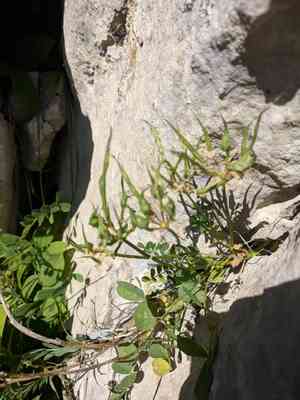
Mountain coronilla is a hardy plant prized for its decorative appeal.
2
This species significantly enhances soil health through its capacity to fix nitrogen.
3
Mountain coronilla provides an essential nectar supply for various pollinators.
What Makes Mountain coronilla So Unique?
Aesthetic Appeal
A prominent characteristic of Mountain coronilla is its visual charm. With its vivid yellow blossoms that stand out against its green leaves, this plant is a favorite in many decorative gardens. Its extended flowering period adds a lively visual element to spaces, making it an excellent option for gardeners seeking to introduce vibrant color to their landscapes.
Hardiness and Adaptability
Another key advantage of Mountain coronilla is its robustness and versatility. This plant is known for flourishing in diverse soil types and climate conditions, from stony ground to more fertile areas. Its durability makes it a low-effort choice for gardeners and landscapers, reducing the need for constant care and replacement.
How Does Mountain coronilla Benefit the Environment?
Nitrogen Fixation
Mountain coronilla plays a crucial role in soil vitality through a process known as nitrogen fixation. The plant forms a symbiotic relationship with nitrogen-fixing bacteria, which help convert atmospheric nitrogen into a usable form for plants. This natural fertilization process enriches the soil, fostering healthier plant growth and lessening the need for chemical fertilizers.
Erosion Control
Preventing erosion is another significant environmental advantage of Mountain coronilla. The plantâs extensive root system helps stabilize soil, preventing erosion in areas susceptible to water runoff or wind erosion. This makes it an ideal choice for planting on slopes, embankments, and other erosion-prone locations.
What Are the Wildlife Benefits of Mountain coronilla?
Pollinator Support
Mountain coronilla serves as a vital nectar source for various pollinators, including bees and butterflies. By cultivating Mountain coronilla, you can contribute to supporting local pollinator populations, which are essential for maintaining biodiversity. Its continuous bloom cycle ensures a steady supply of nectar, making it a dependable resource for these crucial creatures.
Habitat Creation
Beyond supporting pollinators, Mountain coronilla also offers habitat for small animals and insects. Its dense foliage provides shelter and protection, creating a miniature ecosystem within your garden or natural setting. This biodiversity can help foster a more balanced and healthy environment.
How to Grow Mountain coronilla in Your Garden?
Growing Conditions
To successfully cultivate Mountain coronilla, it is important to consider its growing conditions. This plant prefers well-drained soil and can tolerate both full sun and partial shade. It is relatively drought-resistant once established, making it suitable for areas that experience occasional dry periods.
Care Guidelines
Maintaining Mountain coronilla is quite simple. Regular trimming can help preserve its shape and encourage more blooms. While Mountain coronilla is generally low-maintenance, occasional mulching and watering during extended dry spells can enhance its growth and overall health.
Are There Landscaping Ideas Involving Mountain coronilla?
Rock Gardens
Mountain coronilla is an excellent option for rock gardens due to its adaptability to rocky soils and arid conditions. Its bright flowers add color and contrast to the rugged terrain, creating an attractive and low-maintenance garden feature.
Mixed Borders
In mixed borders, Mountain coronilla can be combined with other perennials and shrubs to create a dynamic and visually appealing garden. Its nitrogen-fixing capability also benefits neighboring plants, contributing to a healthier and more vibrant garden ecosystem.



