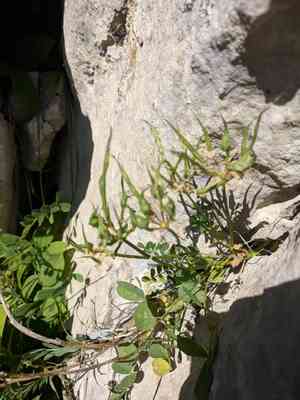
Mountain coronilla (Coronilla coronata)
Also known as: Crown Vetch, Coronilla, Crowned Vetch
The Berg-Kronwicke (Coronilla coronata) belongs to the Faboideae subfamily within the Fabaceae family. Its flowering season extends from late spring to early summer, typically from May to July.
In This Article
Attributes of Mountain coronilla
Lifespan
Perennial
Plant Type
Herb
Plant Height
30-50 cm
Spread
40-60 cm
Leaf Color
Green
Flower Size
1-1.5 cm
Flower Color
Yellow
Images of Mountain coronilla
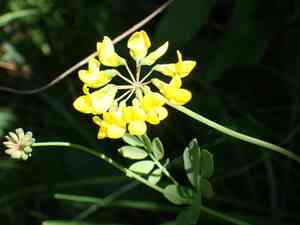
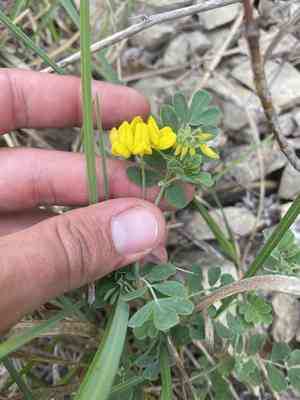
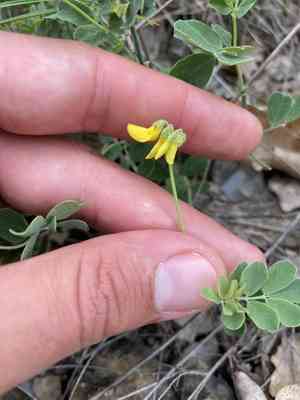
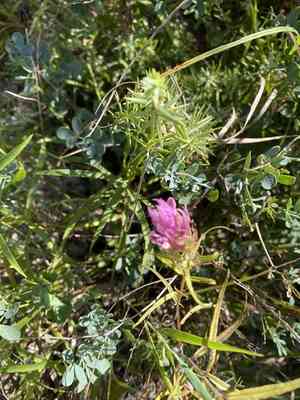
Quickly Identify Mountain coronilla
1
Look for compound leaves with multiple small leaflets, bright yellow, spherical flower clusters, and slender, often green stems.
Scientific Classification of Mountain coronilla
Phylum
Vascular plants
Class
Dicotyledons
Order
Fabales
Family
Legume
Genus
Coronilla
Species
Mountain coronilla
Planting and Growing of Mountain coronilla
Care Difficulty
Easy
Watering Schedule
Every 3 days
Sunlight Requirements
Full sun
Sunshine Duration
6-10 hours
Ideal Temperature
60-75℉
Soil Type
Potting Mix, Peat Mix
Soil pH
6.5-7.5
Fertilizer Type
Balanced
Pruning Season
Spring, Summer
Pruning Area
Branches, Leaves
Pruning Frequency
2 times a year
Repotting Season
Spring
Pot Type
Plastic, Terracotta
 How to Water Mountain coronilla?
When watering Coronilla coronata, aim to thoroughly moisten the soil without flooding it. This plant prefers to have its roots constantly damp but not soggy. Ideally, 250 ml of water should suffice for each session, ensuring the water reaches the root level without leaving standing water.
What are the symptoms of an underwatered Mountain coronilla?
›
What should I do if my Mountain coronilla is not getting enough water?
›
What are the symptoms of an overwatered Mountain coronilla?
›
How to save an overwatered Mountain coronilla?
›
 What Are the Sunlight Requirements for Mountain coronilla?
Coronilla coronata ideally suits a full day of direct sun, which strengthens its structure and enhances flowering. Proper light promotes a more vivacious bloom display throughout the season.
What type of sunlight is best for Coronilla coronata?
›
How to ensure Coronilla coronata receives full sun?
›
Benefits of receiving full sun for Coronilla coronata?
›
 What Is the Ideal Temperature Range for Mountain coronilla?
Coronilla coronata thrives best in temperatures ranging from 60°F to 75°F. This ideal range encourages optimal growth and flowering. Maintaining this temperature helps the plant efficiently carry out photosynthesis, which is vital for its health and vigor.
 What Soil is Best for Mountain coronilla?
Coronilla coronata thrives in well-drained soil that prevents water from accumulating around its roots. This helps to avoid root rot and other diseases, ensuring robust plant health. This plant benefits from soil that is rich in nutrients. Providing a fertile environment supports vigorous growth and enhances flowering, making the garden more vibrant. Coronilla coronata prefers slightly alkaline soil conditions, where pH levels range from 6.5 to 7.5. This pH range helps optimize nutrient availability, contributing to the overall health of the plant.
 How to Fertilize Mountain coronilla?
For Coronilla coronata, a balanced feeding approach is essential. Typically, apply a liquid fertilizer every four weeks using a concentration of 10-10-10. For slow-release fertilizers, apply granular fertilizer once at the beginning of the growing season in amounts of approximately 1-2 tablespoons depending on plant size.
 How to Prune Mountain coronilla?
Begin by removing any dead or damaged stems. Cut those back to a healthy set of leaves or the base of the plant. This helps prevent disease and encourages the plant to focus energy on new, healthy growth. Trim back the longer branches by cutting just above a leaf node. This helps maintain the desired shape of the plant and encourages bushier growth. Aim to trim the plant evenly to maintain its natural, rounded form. Focus on pruning spent blooms to encourage new flowers. Snip the flower head down to a set of healthy leaves, which can help in redirecting the plant's energy towards producing more blooms rather than seed production.
More About Pruning Techniques→
 How to Propagate Mountain coronilla plant?
1
To propagate Coronilla coronata from seeds, sow them in seed trays filled with a quality seed-starting mix. Lightly cover the seeds with a thin layer of soil and keep the environment humid. Maintain a consistent temperature for optimal germination, which usually occurs in 2-4 weeks.
2
Select non-flowering shoots for cuttings. Use sterilized pruning shears to cut 4-6 inch sections of the stem just below a node. Remove the lower leaves before planting the cuttings in a moist rooting medium. Place in indirect sunlight to encourage root development.
3
Once seedlings have developed their second set of true leaves, transplant them into individual pots. Use a well-draining potting mix and ensure the roots are not disturbed excessively during transplanting. Water thoroughly and place them in a well-lit area.
 How to Repot Mountain coronilla plant?
1
Coronilla coronata shows signs of needing repotting when its roots outgrow the current pot, manifesting through roots emerging from drainage holes or a noticeable slowdown in growth. The best timing for repotting is in spring, as this allows the plant to establish itself in new soil during its active growing period. Observing a tight fit of the roots indicates it's high time for a change.
2
When selecting a new pot for Coronilla coronata, opt for one that's about 2 inches wider in diameter than the current pot to give the roots more breathing space without overwhelming the plant. Ensure it has good drainage to prevent waterlogging, which can lead to root rot. A pot made of breathable materials such as terracotta allows for better moisture regulation, promoting healthier root development.
3
The ideal soil for repotting Coronilla coronata is a well-draining garden mix, amended with perlite or sand to improve aeration. Such a composition ensures excess moisture drains away, reducing the risk of root rot while providing ample nutrients for robust growth. This soil type mimics the plant's natural conditions, supporting its health and vitality post-repotting.
Toxicity
ingestion
WARNING
The judgment on toxicity and danger is for reference only. We DO NOT GUARANTEE any accuracy of such judgment. Therefore, you SHALL NOT rely on such judgment. It is IMPORTANT TO SEEK PROFESSIONAL ADVICE in advance when necessary.
Learn More About Mountain coronilla Diseases
Anthracnose
Bacterial Leaf Spot
Bacterial Wilt
Crown Gall
Cyst Nematode
Damping-off
Downy Mildew
Drought Stress
Fusarium Wilt
Gray Mold
Leaf Curl
Leaf Spot
Mosaic
Nutrient Deficiency
Nutrient Toxicity
Powdery Mildew
Root Rot
Root-knot Nematode
Rusts
Sooty Mold
Spider Mites
Temperature Stress
Thrips Damage
White Mold



