How to Prune Stiff tickseed?
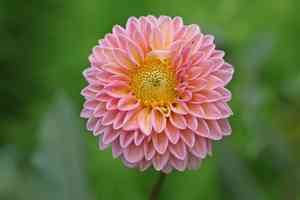
A perennial plant recognized for its bright yellow blossoms and clustered growth pattern, Coreopsis tinctoria flourishes with appropriate trimming. In early spring, remove withered leaves to stimulate fresh development. Throughout the summer, deadhead faded flowers to encourage ongoing blooming. Following the flowering period in autumn, prune significantly to preserve its form and vitality. Trimming improves air movement and deters illness. The best times for pruning are spring, summer, and autumn, coinciding with its growth and flowering phases.
What Are the Benefits of Pruning Stiff Tickseed?
What Are the Benefits of Pruning Stiff Tickseed?
Trimming stiff tickseed promotes more abundant flowering and revitalizes its growth, ensuring the plant keeps a desirable, compact shape. This results in a neater look and healthier, more robust vegetation.
What Is the Best Time for Pruning Stiff Tickseed?
What Is the Best Time for Pruning Stiff Tickseed?
In late spring, stiff tickseed enters a period of vigorous growth, making it an ideal time for shaping cuts, as the plant can recover quickly and produce new shoots. Early summer is recommended for removing spent blooms to encourage continuous flowering and prevent self-seeding, which can foster a tidier growth habit. Light pruning in early fall should focus on eliminating dead or diseased stems, thus preparing stiff tickseed for winter and preventing potential decay that could harm the plant during its dormant phase.
What Tools Do I Need to Prune Stiff Tickseed?
Bypass Hand Pruners
These are perfect for making precise cuts on the smaller, green stems of stiff tickseed without crushing plant tissue, which is crucial for the plant's health and recovery after pruning.
Garden Scissors
Garden scissors can be utilized for precise adjustments and shaping stiff tickseed by snipping off flower heads or small, delicate stems. They offer the accuracy needed for maintaining the plant's appearance.
Pruning Shears
For tougher or woodier stems that hand pruners cannot manage, pruning shears provide the necessary leverage and cutting power without harming stiff tickseed.
Leaf Rakes
After trimming stiff tickseed, a leaf rake is useful for gently gathering and removing debris from the surrounding soil without disturbing the root systems.
How to Prune Stiff Tickseed
Clean tools
Before beginning, ensure all pruning implements are clean and sharp to prevent the spread of disease to stiff tickseed.
Remove diseased leaves
Carefully inspect stiff tickseed and cut off any diseased leaves at the base of their stems to stop the spread of infection. Dispose of them properly.
Trim withered leaves
Identify and remove any withered or dead leaves from stiff tickseed, making cuts close to the main stem to encourage healthy new growth.
Deadhead flowers
Cut back faded flowers on stiff tickseed to the nearest set of leaves to promote repeated blooming and prevent self-sowing if not desired.
Maintain shape
After removing the specified parts, shape stiff tickseed by pruning overgrown or awkwardly placed stems, ensuring the overall form is maintained and air circulation around the plant is improved.
Common Pruning Mistakes with Stiff Tickseed
Overpruning
Removing too much foliage or too many flowering stems at once can weaken stiff tickseed or reduce its ability to flower effectively.
Cutting too close
Trimming stems too near the base of stiff tickseed can damage the plant's crown, increasing the risk of disease.
Blunt tools
Using dull or unclean pruning shears can result in jagged cuts that are more vulnerable to pests and diseases.
Neglecting deadheading
Failing to consistently deadhead, or remove spent flowers, can lead to a decrease in blooming since stiff tickseed may focus energy on seed production.
Pruning too early
Pruning stiff tickseed before it has a chance to establish its foliage can limit its photosynthesis ability and stunt growth.
Common Pruning Tips for Stiff Tickseed
Sharp tools
Always use sharp, clean pruning shears to make precise cuts, which helps stiff tickseed heal faster and reduces the risk of disease.
Deadheading
Regularly remove spent flowers to encourage more blooms and to prevent stiff tickseed from expending energy on seed production.
Selective thinning
Thin out crowded areas by selectively pruning stems to improve air circulation, which helps prevent diseases.
Shape maintenance
Trim stiff tickseed to maintain its natural shape and size, being careful not to over-prune or alter its growing habit.
Health checks
Prune away any diseased, damaged, or dead tissue promptly to keep stiff tickseed healthy and prevent the spread of pathogens.



